

Does Neutering Cause Weight Gain? Vet-Backed UK Guide

The quick answer
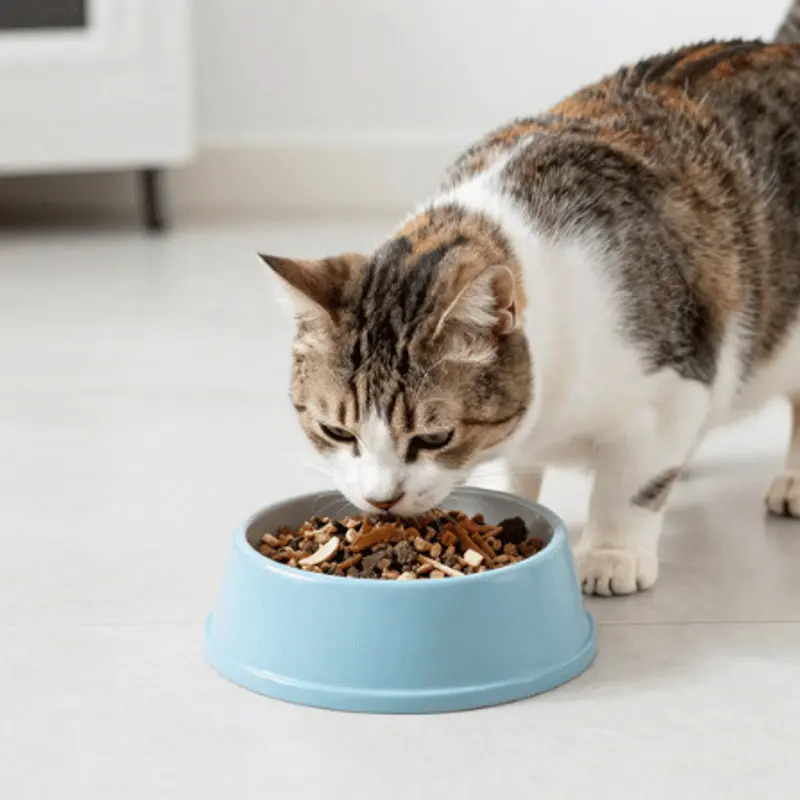
Neutering doesn't directly make dogs or cats fat, but it does change their body. Removing the sex hormones lowers metabolic rate and increases appetite, so a neutered pet needs roughly a third fewer calories while feeling hungrier. Weight only piles on if you keep feeding the same amount. Cut portions by about 25–30% around the time of surgery, weigh the food, go easy on treats and check body condition monthly, and your pet stays lean.
Mentioned in this guide

Silicone Lick Mat Slow Feeder Bowl
A raised silicone bowl with a textured licking base for spreading paste, wet food or yogurt. Slows fast eaters and helps distract and calm anxious pets, then wipes clean in seconds.
£16.99

Sunflower Snuffle Mat Slow Feeder
A felt sunflower snuffle mat, roughly 37.5cm across, with yellow petals and a fluffy brown centre that hides kibble and treats. Encourages natural foraging to slow fast eaters and ease boredom. Ties on to fix it in place; machine washable.
£12.99

Raised Cat Slow Feeder Bowl with Water Dispenser
A raised cat feeding station combining a ridged slow-feeder bowl with an automatic gravity water dispenser. The tilted bowl aids digestion and posture while the refillable bottle keeps fresh water topped up. Approx 30 x 30 x 23cm.
From£21.99
It's one of the most common worries in the waiting room: "If I get her spayed, will she just get fat?" It's a fair question, and the honest answer is more useful than a straight yes or no. Neutering doesn't magically add weight on its own. What it does is change how your pet's body burns and asks for food, and if your feeding doesn't change with it, the pounds creep on.
I've owned neutered dogs and cats for years, and not one of them got chubby, because we adjusted the bowl the week of the op. Here's what actually changes inside your pet after neutering, why the myth took hold, and the exact steps that keep a neutered dog or cat trim for life.
The short version: neutering doesn't cause fat, it changes the maths
When a dog or cat is neutered, the vet removes the organs that produce the main sex hormones (oestrogen in females, testosterone in males). Those hormones do more than drive reproduction; they help set how fast the body burns energy and how strongly it feels hunger.
Take the hormones away and two things happen at once, as the PDSA puts it plainly: neutering "does cause hormonal changes that may increase your dog's appetite and slow down their metabolism." So your pet needs fewer calories to tick over, yet often wants more food. That gap, calories in staying high while calories needed drop, is where weight gain comes from. It is entirely preventable.
The surgery didn't make your pet fat. An unchanged food bowl did.
What actually changes after neutering
Metabolism slows down
After neutering, resting energy needs fall noticeably. A peer-reviewed review of the science in *Nutrition Research Reviews* found that spaying lowers basal metabolic rate and reduces overall energy expenditure. The practical numbers back this up: nutrition bodies recommend feeding a neutered or inactive dog around 95 kcal × (bodyweight in kg)^0.75, versus roughly 130 kcal for an active intact dog, and neutered cats around 75 kcal × (bodyweight)^0.67 versus 100 kcal for active cats.
You don't need to do the maths by hand. The takeaway is simple and the PDSA states it directly: a dog "will need around 30% less calories once they have been spayed or castrated." Cats are in a similar ballpark. Keep feeding the pre-op amount and you're overfeeding by roughly a quarter to a third from day one.
Appetite goes up, and fast
The hormone shift also nudges appetite upward, and it doesn't wait around. The same scientific review notes the increase in food intake "takes place fast, beginning 3 d after gonadectomy." That's why a cat that used to leave a few biscuits suddenly cleans the bowl and cries for more within the first week. It isn't greed or bad manners, it's biology.
Activity often drops too
There's a third, quieter factor. Neutered pets, particularly males, often become a little calmer and roam less. That's frequently a welcome change, but less pacing and patrolling means fewer calories burned. A controlled study of spayed dogs found activity levels drifted down over time across the board, adding to the surplus if the diet isn't trimmed.
Is it really that big a risk? What the UK evidence shows
Yes, if it's ignored, which is exactly why the myth persists. Neutered status is a recognised risk factor for carrying too much weight. Large UK veterinary datasets from the Royal Veterinary College's VetCompass programme link neutering (alongside middle age) to a higher chance of a dog being overweight, and they point to the same mechanism: increased appetite and reduced activity after surgery.
The scale of the wider problem is sobering. The PDSA reports that over a third of cats in the UK are overweight, and canine obesity is widespread too. Neutering is one contributor among many, but it's the one with a clear, predictable fix, because you know exactly when it's happening and can plan for it.
It's worth being clear about what excess weight costs your pet. The PDSA links canine obesity to "arthritis, diabetes, urinary incontinence, back problems, cruciate ligament damage, breathing difficulties, cancer, heatstroke" and a shorter life. In cats it raises the risk of diabetes, bladder problems (including painful cystitis), liver disease and arthritis. This isn't cosmetic. Keeping a neutered pet lean is one of the highest-value things you can do for its health.
How to prevent weight gain after neutering: the plan that works
Here's the routine I've used, built from what UK vets and the research actually recommend.
1. Cut the food around the time of surgery, don't wait
Because appetite rises within days, get ahead of it. The Kennel Club suggests starting with around a 10% reduction and adjusting from there; the PDSA points to needing roughly 30% fewer calories overall once a dog is neutered. A sensible middle path is to trim portions by about 20–25% in the first week or two, then fine-tune based on your pet's body condition rather than guessing. Reduce the amount you scoop, don't just switch food and hope.
2. Weigh the food, every meal
This is the single biggest lever, and almost nobody does it. Eyeballing a scoop overfeeds most pets. Use kitchen scales and measure in grams to the pack's guide for your pet's ideal weight, not its current weight. Split a cat's daily ration into several small meals, which suits their grazing nature and keeps them settled.
3. Consider a neutered or light diet, and lean on protein and fibre
Diets labelled for neutered pets, or "light" formulas, are lower in calories per gram, so your pet gets a satisfying bowl for fewer calories. There's good evidence behind the high-protein, high-fibre approach in particular. In a controlled trial, spayed dogs on a standard diet gained noticeably more body condition than those on a high-protein, high-fibre diet when food was freely available. In cats, a study of 187 kittens found those on a moderate-fat, low-energy diet after neutering were far less likely to become overweight, 10% versus 20.6% on the standard diet, with standard-fed cats over four times as likely to tip into overweight.
4. Ration treats ruthlessly
Treats are where good intentions unravel. Keep them to no more than about 10% of daily calories, and count them into the total, not on top of it. Swap high-calorie chews for low-calorie options: carrot batons, cucumber, a slice of apple (no pips) for dogs; a few kibbles held back from the daily ration for cats.
5. Keep them moving
Exercise protects muscle, and muscle keeps the metabolism ticking. Maintain (or increase) walks for dogs, and use play and food-puzzle toys to get cats moving and hunting for meals. The Kennel Club is clear that with the right feeding and regular activity, weight gain after neutering "is not inevitable."
6. Monitor body condition, not just the scales
Weigh monthly, but also learn body condition scoring, it's more telling than a number. On the standard 1–9 scale you're aiming for 4–5. You should be able to feel the ribs easily without a fat pad, see a waist when you look down from above, and see a tucked-up tummy from the side. Feel for fat at the base of the tail too. If those landmarks disappear, trim the food a little and recheck in a fortnight.
Dog vs cat: the key differences
| Factor | Dogs | Cats |
|---|---|---|
| Typical calorie cut needed | Around 30% | Around 25–30% |
| Appetite change | Rises, breed-dependent | Rises, often marked |
| Activity change | Often calmer, less roaming | Often less active, more sleep |
| Best feeding style | Measured meals, avoid free-feeding | Several small measured meals |
| Handy tools | Slow-feeder bowls, weighed portions | Puzzle feeders, timed feeders |
| UK overweight scale | Widespread | Over 1 in 3 |
Common mistakes that cause the "neutering made her fat" myth
- Feeding the same amount as before. The number one cause. The bowl must shrink when the hormones go.
- Trusting a scoop. Unmeasured portions creep upward. Weigh in grams.
- Feeding to current weight, not ideal weight. Pack guides assume a healthy target weight, feed to that.
- Treat blindness. Chews, dental sticks and "just one" table scraps add up fast and rarely get counted.
- Waiting for the scales to move. By the time the number climbs, you're weeks behind. Adjust at surgery.
- Blaming the operation. It's the aftercare, not the anaesthetic, that decides your pet's waistline.
When to talk to your vet
If your pet gains weight despite careful feeding, book a check. Rarely, conditions such as an underactive thyroid in dogs can be at play, and your vet or vet nurse can rule that out and set a tailored plan. Many UK practices, including the PDSA, run free weight clinics with nurses, an underused and genuinely helpful resource. Ask about the right feeding amount for your individual pet, especially if you're feeding a growing puppy or kitten around the time of neutering, where getting portions right matters even more.
For tailored feeding numbers by life stage, our guides on how much to feed a puppy by age and weight, portion control for cats and feeding a senior dog walk through the specifics. If you share your home with several cats, our multi-cat feeding solutions guide covers keeping one lean cat from raiding another's bowl.
The bottom line
Neutering doesn't cause weight gain, an unchanged food bowl does. The surgery lowers your pet's calorie needs by roughly a third and lifts their appetite within days, so the fix is refreshingly simple: feed less, weigh it, watch the treats and keep them active from the week of the operation. Do that, and a neutered dog or cat stays every bit as trim and healthy as an intact one, with all the health benefits of neutering and none of the wobble.
Sources
- PDSA – Obesity in dogs
- PDSA – Obesity in cats
- PDSA – Dog neutering: a guide to castration and spaying
- The Kennel Club – Feeding after neutering
- Nutrition Research Reviews (Cambridge) – Neutering in dogs and cats: current scientific evidence and nutritional management
- PMC – Effects of diet on body weight, composition, metabolism and activity in adult female dogs after spay surgery
- PMC – A moderate fat, low-energy diet reduces body condition score gain in growing pet cats after neutering
Common questions
Will my dog or cat definitely get fat after being neutered?
No. Neutering lowers metabolism and raises appetite, but weight gain only happens if you keep feeding the same amount. Cut portions by around 25–30% at the time of surgery, weigh the food and stay on top of treats, and your pet will stay lean. UK vets are clear that weight gain after neutering is not inevitable.
How much should I reduce my pet's food after neutering?
The PDSA advises a neutered dog needs around 30% fewer calories, and cats are similar. The Kennel Club suggests starting at about a 10% cut and adjusting from there. A practical approach is to trim portions by 20–25% in the first week or two, then fine-tune based on body condition rather than a fixed number.
How soon after neutering does appetite increase?
Quickly. Research shows food intake starts rising around three days after the operation. That's why it's best to reduce portions straight away rather than waiting to see whether your pet gains weight, by which point you're already behind.
Do I need special 'neutered pet' food?
Not essential, but it helps. Diets for neutered or 'light' formulas are lower in calories per gram, so your pet gets a satisfying bowl for fewer calories. High-protein, high-fibre diets are especially good at limiting weight gain in studies. Simply feeding less of the current food also works if you measure carefully.
How do I tell if my neutered pet is overweight?
Use body condition scoring alongside the scales. Aim for 4–5 on the 1–9 scale: you should feel the ribs easily without a fat pad, see a waist from above and a tucked tummy from the side. If those disappear, reduce food slightly and recheck in two weeks. Many UK vet practices offer free nurse weight clinics.
Does neutering slow metabolism in both males and females?
Yes. Removing the testes in males or the ovaries in females takes away the sex hormones that help regulate energy use and appetite, so both sexes see a drop in calorie needs and often a rise in hunger. The management, smaller measured portions and regular exercise, is the same for both.
My pet has already gained weight since being neutered, what now?
Reassess portions, weigh food to your pet's ideal (not current) weight, count treats into the daily total and increase activity. If careful feeding doesn't shift it, see your vet to rule out issues such as an underactive thyroid in dogs and to set a structured weight-loss plan, ideally through a nurse-led clinic.
About the author
Matt Garnett — founder, Giddy Pets
Matt started Giddy Pets to make getting pets the good stuff simpler and fairer. Everything in these guides comes from real life with pets and a lot of trial and error — it's practical guidance, not veterinary advice. If a guide gets something wrong, tell him directly.
Advice & planning
Free tools & more guides
Practical calculators and trusted guides relevant to this product.
Read next

How Much to Feed a Puppy, by Age and Weight
"How much should I feed my puppy?" is one of the first questions every new owner asks - and the honest answer is that the bag in your cupboard knows better than any blog. Here's how to read your food's feeding chart by age and expected adult weight, how to use body condition instead of obsessing ove
Feeding a Labrador: Portions, Weight & Avoiding Obesity
Why Labradors gain weight so easily — and exactly how to portion, treat and slow-feed to keep yours lean and healthy.
Neutering a Dog: What It Involves, Recovery and Costs
Thinking about neutering your male dog? Here's what castration involves, the benefits and trade-offs, how recovery goes, and roughly what it costs in the UK.