How Much Exercise Does a Dobermann Need?
Dobermanns are athletic working dogs needing around two hours of exercise a day plus real mental stimulation. How to meet a Dobermann's needs and avoid boredom.
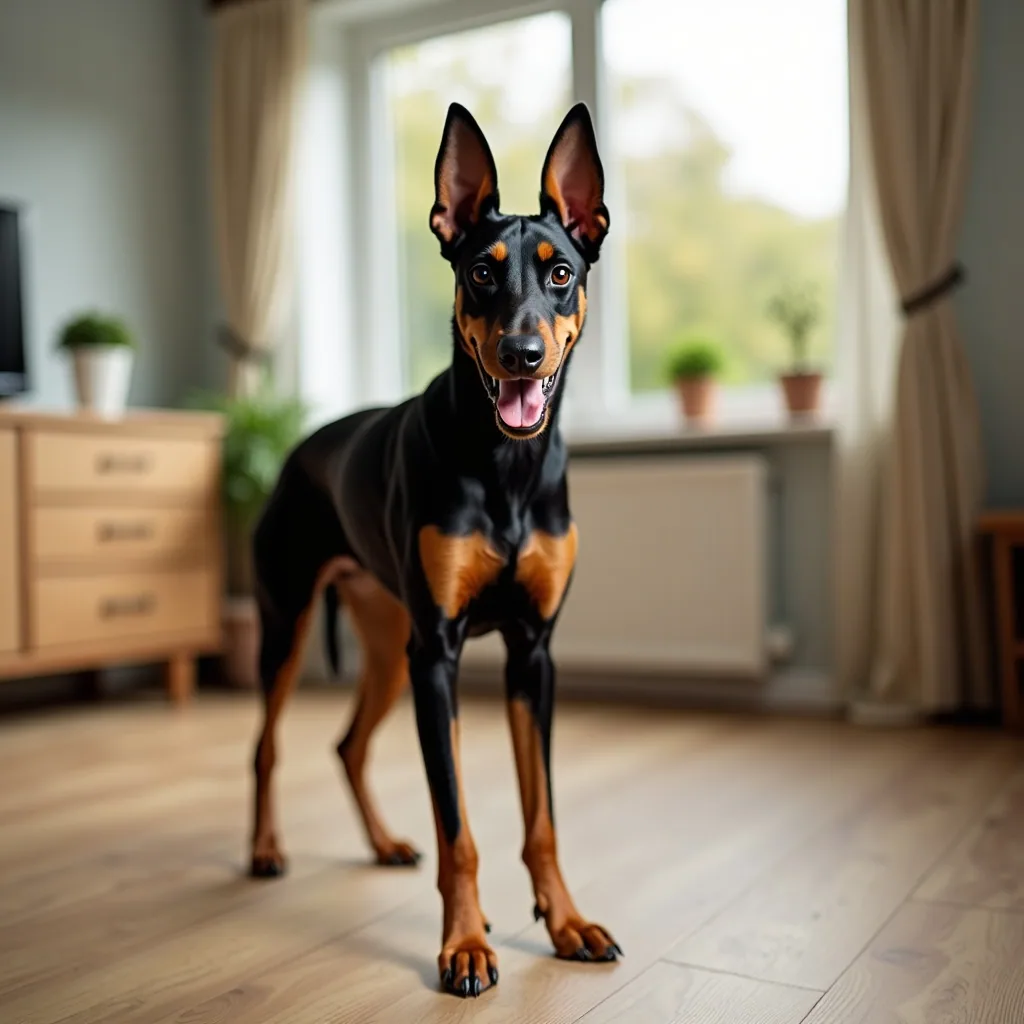
The quick answer
Adult Dobermanns generally need around two hours of varied exercise a day, plus plenty of mental stimulation. These athletic working dogs thrive on a mix of on-lead walking, safe off-lead running, training and play rather than one long, repetitive plod. Without enough physical and mental outlet they can become bored and restless.
The Dobermann was bred as a working dog — athletic, driven and tireless. That heritage means exercise isn't optional: a Dobermann needs serious daily activity for both body and mind, and falls apart without it. Here's how much exercise a Dobermann really needs, what kind, and how to keep that clever brain busy.
How much exercise does a Dobermann need?
As a rule of thumb, an adult Dobermann needs around two hours of exercise a day. These are lean, powerfully built, high-stamina dogs, and they thrive on more than a gentle stroll round the block. The two hours should be varied — a mix of on-lead walking, safe off-lead running, training and play works far better than one long plod.
Quality matters as much as quantity. A Dobermann that's been allowed to run, sniff, problem-solve and engage with its owner is a settled, contented dog at home. One that's simply been walked the same route every day, with nothing to think about, often stays restless. Bear in mind, too, that exercise needs vary with the individual dog — a young, fit Dobermann in its prime will want more than the daily minimum, while age, weather and health will shape what's appropriate on any given day.
What kind of exercise suits a Dobermann?
Dobermanns love activities that combine movement with a job to do:
- Off-lead running in a safe, secure space — these athletic dogs need room to stretch out.
- Fetch and retrieve games, which burn energy and reinforce engagement with you. Keep a few favourite toys in rotation.
- Training walks that mix in recalls, heelwork and sit-stays, so the brain works as hard as the body.
- Dog sports — many Dobermanns excel at agility, obedience, scentwork and similar activities that suit their drive and trainability.
A well-fitted harness helps you manage a strong, enthusiastic dog comfortably, especially during training.
Mental stimulation matters just as much
This is the part owners often underestimate. The Dobermann is one of the most intelligent breeds, and a clever dog with nothing to think about will invent its own entertainment — usually something you'd rather it didn't, like chewing, digging or persistent attention-seeking. Build mental work into every day:
- Training sessions — short, frequent, reward-based. Teach new tricks and commands regularly.
- Scent games — hiding food or toys for your dog to find taps into natural instincts and is brilliantly tiring.
- Puzzle feeders and enrichment toys that make your dog work for food.
- New experiences — varied walks, new places and fresh challenges keep an active mind engaged.
Exercising at different life stages
Puppies should not be over-exercised while their joints are still developing. Keep activity gentle and age-appropriate, favouring short bursts of play and free movement over forced, repetitive or high-impact exercise, and follow your vet's and breeder's guidance.
Adults are in their athletic prime and can handle the full two hours and then some, provided they're fit and healthy.
Older Dobermanns still need regular activity to stay supple and trim, but you'll gradually reduce intensity, watch for stiffness, and — given the breed's heart predisposition — keep a close eye on stamina and any exercise intolerance, reporting changes to your vet.
A word on the heart
Because Dobermanns are prone to dilated cardiomyopathy (DCM), pay attention to how your dog copes with exercise. Sudden tiredness, reluctance to exercise, coughing, breathlessness or fainting during or after activity are not things to push through — they warrant prompt veterinary attention. A healthy Dobermann should be a keen, capable athlete, so any drop in exercise tolerance is worth investigating rather than dismissing as your dog 'slowing down'. Knowing your dog's normal stamina makes it far easier to spot when something has changed.
It also pays to exercise sensibly around the basics: avoid hard, sustained exertion in hot weather, give a Dobermann time to warm up and cool down, and don't exercise intensely straight after a large meal, as deep-chested breeds can be vulnerable to bloat. A little common sense keeps a fit, willing dog safe.
When to see your vet
Speak to your vet if your Dobermann tires unusually easily, coughs, becomes breathless, faints, or shows reluctance to exercise it previously enjoyed. Also seek advice if you notice stiffness, lameness or an unsteady gait. Matching exercise to your individual dog's age, fitness and health keeps this brilliant athlete happy and well.
*This is general guidance, not a substitute for advice from your vet, who can assess your individual dog.*
Sources
- RVC VetCompass — UK dog health and activity research (rvc.ac.uk/vetcompass).
- UK Kennel Club & BVA — breed exercise and welfare guidance (thekennelclub.org.uk).
- PDSA — dog exercise and breed care (pdsa.org.uk).
- Blue Cross — dog exercise and wellbeing (bluecross.org.uk).
Common questions
How much exercise does a Dobermann need?
Adult Dobermanns generally need around two hours of varied exercise a day, plus plenty of mental stimulation. These athletic working dogs thrive on a mix of on-lead walking, safe off-lead running, training and play rather than one long, repetitive plod. Without enough physical and mental outlet they can become bored and restless.
Can you over-exercise a Dobermann puppy?
Yes. Puppies' joints are still developing, so avoid forced, repetitive or high-impact exercise while they're young. Favour short bursts of gentle play and free movement, and follow your vet's and breeder's guidance on age-appropriate activity. Building up gradually protects the joints of a large, fast-growing breed.
Do Dobermanns need mental stimulation?
Very much so — the Dobermann is one of the most intelligent breeds and gets bored quickly without mental work. Training, scent games, puzzle feeders and new experiences are as important as physical exercise. A clever dog with nothing to do will often invent its own, less welcome, entertainment.
About the author
Matt Garnett — founder, Giddy Pets
Matt started Giddy Pets to make getting pets the good stuff simpler and fairer. Everything in these guides comes from real life with pets and a lot of trial and error — it's practical guidance, not veterinary advice. If a guide gets something wrong, tell him directly.
Free tools & more guides
Read next

How Much Does a Dobermann Cost to Keep in the UK?
What a Dobermann really costs in the UK — purchase price, food, insurance and vet care — plus the heart-screening costs that are unique to this breed.

How Long Do Dobermanns Live? Lifespan & Health
Dobermanns live around 10–13 years. The heart, bleeding, spinal and thyroid issues this breed is prone to — DCM above all — and how to help yours stay well.

Are Dobermanns Good Family Dogs? Temperament & Training
Dobermanns are loyal, intelligent and protective — great family dogs in the right home. Their temperament, training and UK legal status explained.