

Dehydration in Dogs: Signs, Tests & What to Do | UK
The quick answer
To check a dog for dehydration, do two home tests: lift the skin over the shoulders (it should spring straight back) and touch the gums (they should be moist, and press-then-release should return to pink in under two seconds). Slow skin, dry or tacky gums, sunken eyes, lethargy or collapse mean dehydration. Offer small, frequent drinks and phone your vet; heatstroke and non-stop vomiting are emergencies.
Mentioned in this guide

Smart Sensor Cat Water Fountain 2.6L
A 2.6 litre sensor-driven cat fountain with four-stage filtration, keeping water moving and filtered so fussy cats drink more than they would from a standing bowl.
From£40.99

Portable Dog Travel Water Bottle — 280ml or 550ml
A lockable, leak-proof travel water bottle with a wide drinking bowl — lightweight and made from non-toxic, food-grade material in three colours.
From£15.49

Raised Cooling Mat Bed For Summer
A raised cooling mat with a refreshing ice-silk surface that helps your dog stay comfortable in hot weather. The cool, skin-friendly top and bolstered edges give a breezy, breathable place to rest.
From£11.99
Dehydration in dogs sounds simple, but it sneaks up quickly, especially in warm weather, after a tummy upset, or in puppies and older dogs. The good news is you can check your dog at home in under a minute with two quick tests, and knowing what you're looking for tells you whether to top up the water bowl or ring the vet. Here's how to spot it, what causes it, and when it becomes a genuine emergency.
The two home checks that take under a minute
You don't need any equipment. Two simple checks give you a good idea of where your dog stands.
The skin-tent (skin-pinch) test
Gently lift the loose skin over your dog's shoulder blades, between the shoulders, then let go and watch.
- Well hydrated: the skin springs straight back into place.
- Dehydrated: the skin falls back slowly, or stays "tented" for a moment before settling.
- Severely dehydrated: the skin barely moves back at all.
It's the quickest home check there is, but read it with a bit of caution. Very thin or older dogs naturally have looser skin that tents even when they're fine, and overweight dogs can look normal even when they're not. Use it alongside the gum test rather than on its own.
The gum test: moisture and refill time
Your dog's gums tell you two things. First, lift the lip and touch a pink patch of gum. In a healthy dog the gums are moist and your finger comes away slightly damp. Dry, sticky or tacky gums point to dehydration.
Second, do a capillary refill test, which shows how well blood is moving around the body. Press a fingertip gently onto the gum until it blanches white, then lift off. As the PDSA describes it, the white patch should return to pink in under two seconds. Slower than that can mean poor circulation and needs a vet.
While you're there, check the colour. Healthy dog gums are a salmon-pink. Pale, white, brick-red or blue-tinged gums are a warning sign in their own right and warrant an urgent call.
A quick habit worth building: press your dog's gums when they're happy and healthy so you know what normal looks and feels like for them. A baseline makes the test far more useful when you're worried.
Other signs to watch for
Beyond the two tests, dehydration often shows up as:
- Sunken or dull-looking eyes
- Lethargy, weakness or reluctance to move
- Loss of appetite
- Thick, sticky saliva or excessive panting
- Reduced or very dark urine
- In severe cases: collapse, a weak pulse, or unresponsiveness
Any collapse, severe weakness or repeated vomiting is a straight-to-the-vet situation, not a home-monitoring one.
How bad is it? Reading the severity
Vets grade dehydration by roughly how much body fluid has been lost, and the home signs line up fairly well with those bands. It's not an exact science at home, but it helps you judge urgency.
| Severity | What you might see | What to do |
|---|---|---|
| Mild (up to about 5%) | Slightly tacky gums, skin springs back but a touch slow, still bright | Offer small frequent drinks, rest, recheck in a few hours |
| Moderate (about 6 to 8%) | Clear skin tent, dry gums, sunken-looking eyes, lethargy | Phone the vet the same day; likely needs fluids |
| Severe (over about 10%) | Skin barely returns, very slow gum refill, weakness, collapse, weak pulse | Emergency, go to the vet now |
If you're ever unsure which band your dog is in, treat it as the more serious one and ring for advice. Under-reacting is the costlier mistake.
What causes dehydration in dogs
Dehydration happens when a dog loses more fluid than it takes in. The usual culprits:
| Cause | What's going on |
|---|---|
| Vomiting and diarrhoea | The fastest route to trouble, especially in puppies |
| Heat and heavy panting | Hot days, exercise, or being shut in a warm room or car |
| Fever or infection | Raises fluid needs and often reduces appetite |
| Not drinking enough | Nausea, mouth pain, or a dog that won't drink away from home |
| Kidney disease and diabetes | Cause increased urination and ongoing fluid loss |
| Heatstroke | A medical emergency in its own right |
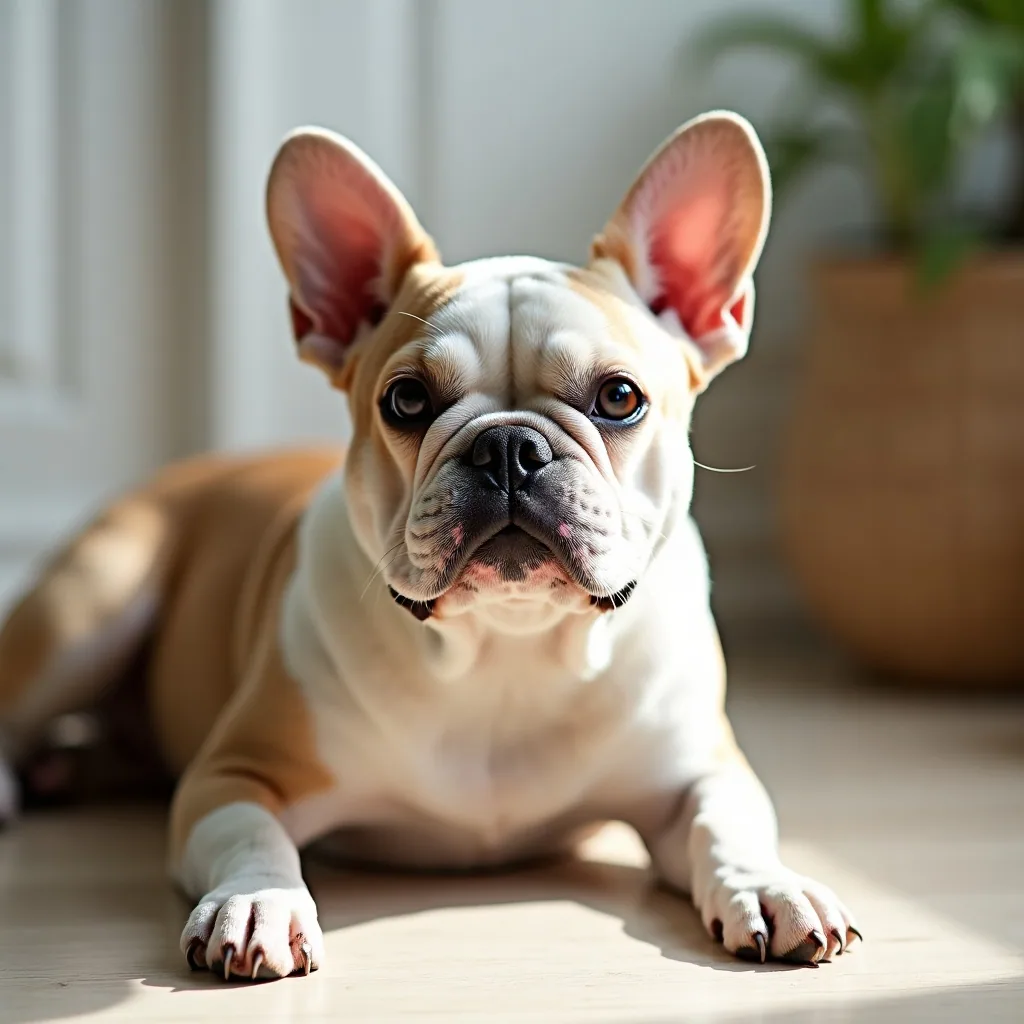
Puppies, senior dogs, small breeds, pregnant or nursing dogs, and flat-faced (brachycephalic) breeds like French Bulldogs and Pugs are more vulnerable and dehydrate faster. If you have a flat-faced dog, our guide on whether French Bulldogs can swim safely covers some of the same heat and breathing risks worth understanding.
When it's an emergency
Mild dehydration you can often manage at home with rest and small, frequent drinks. But some situations need a vet now, not later:
- Heatstroke. Heavy panting, drooling, bright red gums, wobbliness, vomiting or collapse on a hot day. This is life-threatening. The current UK vet advice is cool first, transport second: move your dog to shade, pour cool (not ice-cold) water over the neck, belly and inner thighs, get air moving over them, and head to the vet while cooling continues. Call ahead so they're ready.
- Ongoing vomiting or diarrhoea, particularly in a puppy or small dog, where fluid loss outpaces anything you can replace by mouth.
- Won't drink at all, or can't keep water down.
- Sunken eyes, collapse, a skin tent that barely moves, or very slow gum refill. These suggest significant dehydration that needs intravenous fluids.
Vets treat dehydration by putting the dog on a drip to replace lost fluid, or by giving fluid under the skin for milder cases, alongside treating whatever caused it. That's why getting there matters: at home you can only do so much once a dog is properly dehydrated.
What to do at home for mild cases
If your dog is bright, drinking, and only mildly off, you can help while you keep an eye on things:
1. Offer small amounts of fresh water often, rather than letting a parched dog gulp a huge bowl, which can trigger vomiting. 2. Tempt a reluctant drinker. Try a splash of water in their food, a little low-salt cooled meat or bone broth (no onion or garlic), or ice cubes to lick if they like them. 3. Rest somewhere cool and shaded. Stop exercise and let them settle. 4. Recheck the skin and gum tests every few hours. If they're not improving, or they get worse, phone your vet. 5. Never force water down the throat, and don't give human sports drinks or medicines. If in doubt, ask your vet which rehydration approach is right.
If a dog has had a vomiting or diarrhoea bout, small frequent sips and a bland diet usually help, but a puppy that keeps being sick should be seen the same day.
How much water should a dog drink?
As a rough guide, veterinary sources put normal daily water intake at around 20 to 70 ml per kg of body weight, which for a 20kg dog is very roughly 0.4 to 1.4 litres a day. It varies a lot with diet (dogs on wet food drink less), weather and activity.
Two practical points matter more than the exact figure:
- Drinking a lot more than usual can itself be a sign of a problem. Intake above roughly 100 ml/kg/day is considered genuinely excessive and worth a vet check, as it can point to kidney disease, diabetes or other conditions.
- A sudden change in drinking, up or down, is more meaningful than the absolute number. You know your dog's normal; a clear shift is the signal.
Preventing dehydration
- Keep fresh water available at all times, indoors and out, and top up more often in warm weather.
- On hot days, walk in the cool of early morning or evening, carry water on longer outings, and never leave a dog in a car or conservatory.
- Take water on days out and travel; some dogs won't drink from unfamiliar bowls, so a travel bottle or a familiar bowl helps.
- Add moisture through wet food or a splash of water in kibble for fussy drinkers.
- For dogs that ignore a still bowl, a pet water fountain often encourages more drinking, and a cooling mat gives a hot dog somewhere to settle.
- On very hot days, keep active dogs busy with calm, low-effort games. Our roundup of indoor enrichment and puzzle toys for dogs has ideas that avoid overheating.
Common mistakes to avoid
- Relying on the skin-tent test alone. It's less reliable in thin, old or overweight dogs, so pair it with the gum checks.
- Letting a dehydrated dog drink a huge bowl in one go. Small, frequent amounts are safer.
- Waiting to see if heatstroke passes. It won't; every minute counts, and cooling should start immediately.
- Assuming a dog will drink when travelling or stressed. Many won't, so offer water actively.
- Giving human rehydration drinks or medicines without vet advice.
- Ignoring a sudden increase in thirst. Drinking far more than usual deserves a vet check just as much as drinking too little.
Dehydration is one of those problems that's easy to catch early and much harder once it takes hold. A minute with the skin and gum tests, plus a bit of common sense about heat and water, covers most dogs most of the time, and tells you clearly when it's time to pick up the phone.
Sources
Common questions
How do I know if my dog is dehydrated?
Use two quick home checks. Lift the loose skin over the shoulder blades and let go: in a hydrated dog it springs straight back, while in a dehydrated dog it falls back slowly or stays tented. Then touch the gums, which should feel moist, and press-release them, which should return to pink in under two seconds. Sunken eyes, lethargy and dark urine are further signs.
What does the skin-tent test tell me, and is it reliable?
It measures skin elasticity, which drops as a dog loses fluid. It's quick and useful, but not perfect: thin and older dogs have naturally loose skin that tents even when hydrated, and overweight dogs can look normal when they aren't. Always use it alongside the gum tests rather than on its own.
When is dehydration in dogs an emergency?
Treat it as an emergency if there's heatstroke (heavy panting, red gums, wobbliness or collapse on a hot day), ongoing vomiting or diarrhoea especially in puppies, a dog that won't drink or can't keep water down, or severe signs like sunken eyes, collapse and a skin tent that barely moves. Phone your vet or out-of-hours service straight away.
How much water should my dog drink a day?
As a rough guide, around 20 to 70 ml per kg of body weight per day, so roughly 0.4 to 1.4 litres for a 20kg dog, varying with diet, weather and activity. A sudden change either way matters more than the exact figure, and drinking far more than usual (over about 100 ml/kg/day) is worth a vet check.
What can I give a dehydrated dog at home?
For a mild case, offer small amounts of fresh water often rather than one big bowl, add water to food, or tempt them with a little low-salt, onion-free broth or ice cubes. Rest them somewhere cool and recheck the skin and gum tests. Don't force water or give human sports drinks or medicines, and see a vet if there's no improvement.
Can dehydration in dogs be caused by heat?
Yes. Hot weather, exercise and being shut in a warm room or car all increase fluid loss through panting, and can tip into heatstroke, which is life-threatening. On hot days walk early or late, carry water, and never leave a dog in a car. If you suspect heatstroke, start cooling immediately and get to a vet.
Which dogs are most at risk of dehydration?
Puppies, senior dogs, small breeds, pregnant or nursing dogs, and flat-faced (brachycephalic) breeds such as French Bulldogs and Pugs are most vulnerable and dehydrate faster. Dogs with kidney disease or diabetes also lose fluid more readily. These dogs need closer watching in heat and during any illness.
About the author
Matt Garnett — founder, Giddy Pets
Matt started Giddy Pets to make getting pets the good stuff simpler and fairer. Everything in these guides comes from real life with pets and a lot of trial and error — it's practical guidance, not veterinary advice. If a guide gets something wrong, tell him directly.
Advice & planning
Free tools & more guides
Practical calculators and trusted guides relevant to this product.
Read next
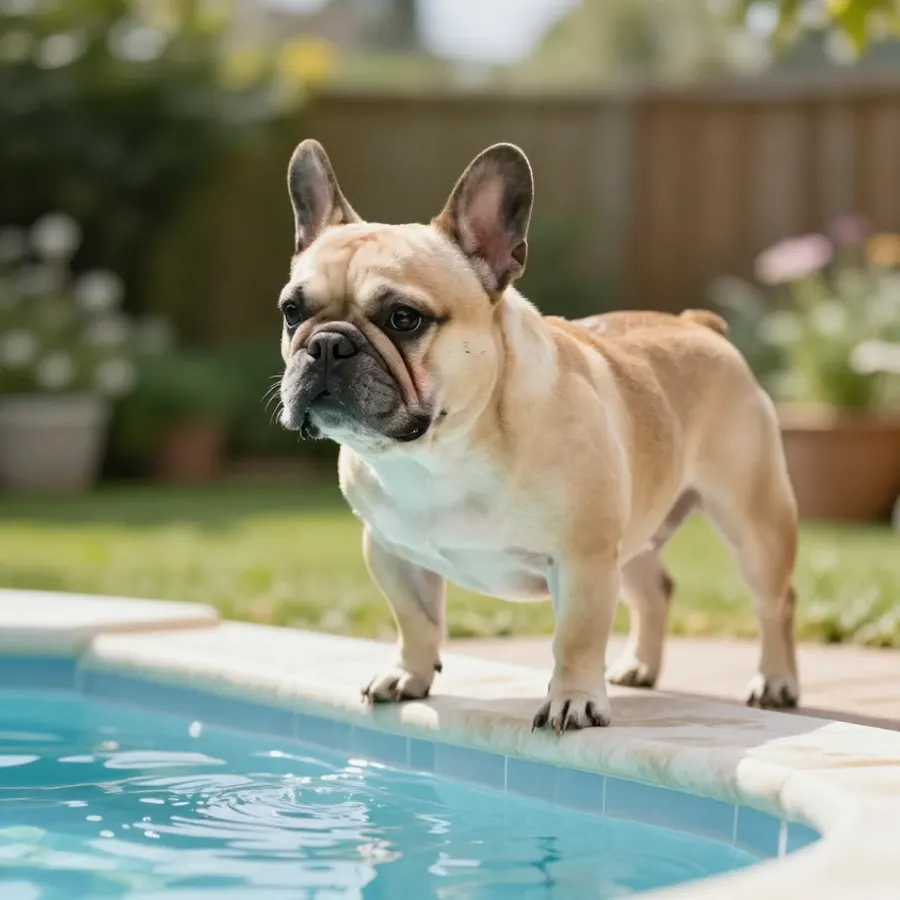
Can French Bulldogs Swim? Water Safety Guide
Most French Bulldogs can't swim safely and can drown easily. Why, and how to let yours enjoy water without the risk.
How Long Do French Bulldogs Live? Lifespan & Health
How long French Bulldogs live, the health conditions linked to their flat-faced body shape, and how to give yours the healthiest, most comfortable life.

Are Cockapoos Good Family Dogs?
Cockapoos are clever, affectionate and brilliant with children — one of the UK's most popular family crossbreeds. But the velcro nature, grooming and cost are real. Here's an honest, hands-on look at whether they suit your home.