
Are Standard Poodles Good Family Dogs?
What Standard Poodles are really like to live with — their clever, affectionate temperament, low shedding, exercise and training needs, and the homes they suit.
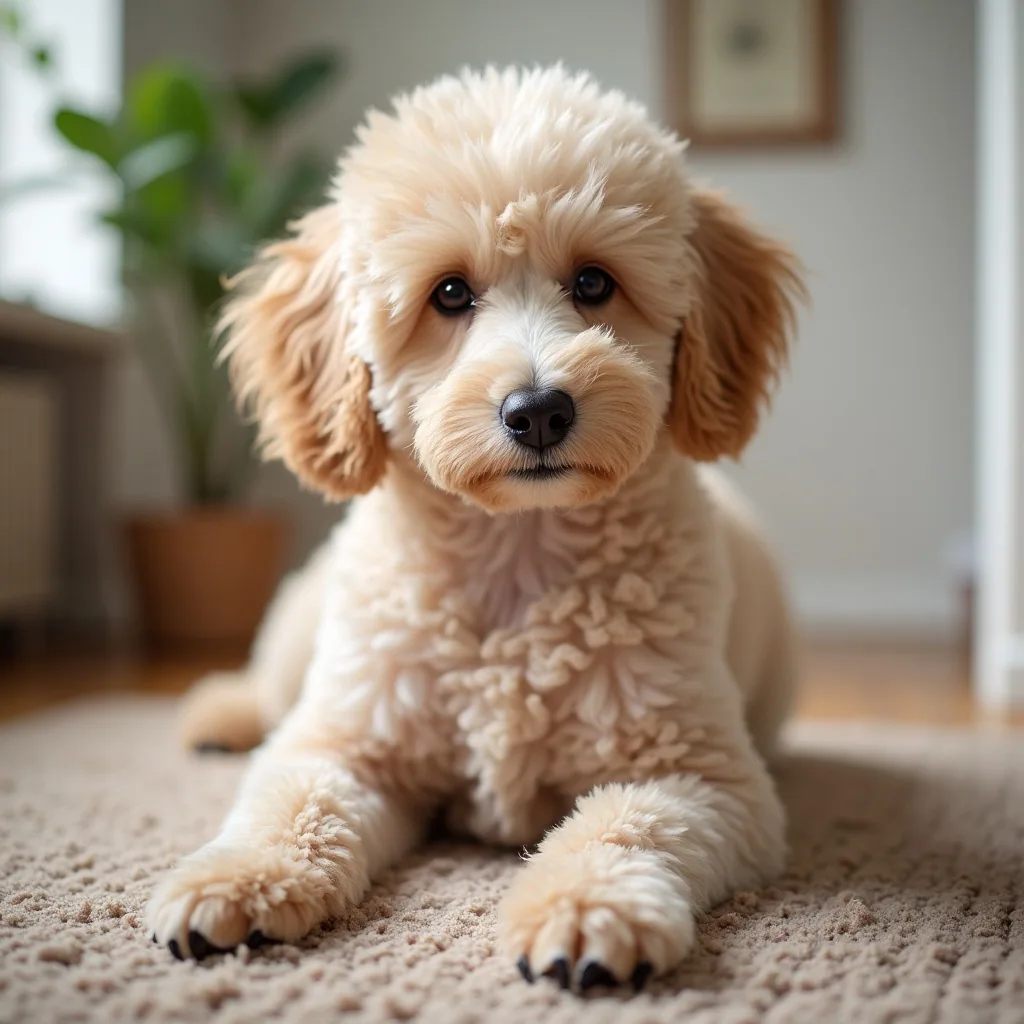
The quick answer
Yes — Standard Poodles are widely considered excellent family dogs. They are highly intelligent, eager to please, affectionate and people-focused, and generally get on well with children and other pets when socialised and supervised. Their low-shedding coat suits households that prefer less hair, though no dog is truly hypoallergenic.
Standard Poodles have a slightly unfair reputation as fussy show dogs, all elaborate haircuts and pampering. In reality they are one of the most capable, intelligent and family-friendly breeds you can own — athletic working dogs under all that curly hair. So are Standard Poodles good family dogs, and would one suit your home? Here is an honest look at the breed's temperament and the households it fits best.
Clever, trainable and eager to please
The Poodle is consistently ranked among the most intelligent of all dog breeds, and the Standard is no exception. They learn quickly, enjoy mental challenges and respond extremely well to positive, reward-based training, which makes them a joy to teach and a popular choice for obedience, agility and other dog sports. That cleverness cuts both ways, though: a bored or under-stimulated Poodle can pick up unwanted habits just as fast as good ones, so they thrive in homes that provide consistent training and plenty of brain work rather than being left to their own devices.
Affectionate and people-focused
Standard Poodles are affectionate, sensitive and strongly people-focused dogs that love being part of family life. They tend to bond closely with their households and generally do not enjoy being left alone for long stretches, which can lead to stress or destructive behaviour if their needs are not met. For a family that is around a fair amount and wants a dog that is genuinely involved in daily life, that devotion is a huge plus.
Good with children and other pets
Well-socialised Standard Poodles generally get on well with children and other animals. Their patient, biddable nature suits family life, and being a larger, sturdier dog than the Miniature or Toy, the Standard tends to cope well with the bustle of a busy household. As with any breed, children should be taught to handle the dog gently and respect its need for rest, interactions between dogs and young children should always be supervised, and introductions to other pets should be calm and gradual. Early, positive socialisation as a puppy is key to a confident, friendly adult.
The low-shedding appeal
One of the biggest reasons families choose a Poodle is the low-shedding, curly coat, which sheds far less hair around the home than most breeds. This makes them popular with people who dislike dog hair, although it is important to be realistic: no dog is truly hypoallergenic, because allergens come from dander, saliva and urine as well as hair. If someone in the household has allergies, spend time around the breed before committing. And remember the trade-off — that low-shedding coat needs daily brushing and regular professional clipping, as covered in our grooming and care guide.
They need real exercise and mental work
Beneath the elegant looks, the Standard Poodle is an athletic working breed originally developed as a water retriever. A healthy adult needs well over an hour of exercise a day across walks, free running and play, plus mental stimulation to keep that clever mind occupied. Without enough physical and mental outlet, Poodles can become bored, anxious or badly behaved. Training sessions, scent games, puzzle feeders and dog sports such as agility all suit them brilliantly. You can gauge appropriate daily activity with our dog walking calculator, and a good range of puzzle and enrichment toys helps keep their brains busy.
Who do Standard Poodles suit?
- Active families who want a clever, trainable dog to join in daily life and walks.
- People who are around a fair amount, as the breed dislikes long periods alone.
- Households that prefer less dog hair, accepting the grooming trade-off.
- Owners happy to train and stimulate a highly intelligent dog every day.
- Those willing to budget for grooming, including professional clipping every six to eight weeks (see our cost guide).
They are less ideal for homes that are out all day, owners who want a low-exercise or low-grooming dog, or anyone unable to provide consistent mental stimulation.
The honest verdict
For the right home, the Standard Poodle is an outstanding family dog: intelligent, affectionate, trainable and relatively low-shedding. In return they ask for company, daily exercise, mental work and regular grooming — give them that, and you have a devoted, capable companion for 12–14 years. For more on the breed's size and health, see our guides on how big Standard Poodles get and health and lifespan.
*This is general guidance. Every dog is an individual, so meet the parents and puppies before choosing, and speak to your vet about your specific situation.*
Sources
- The Kennel Club — Poodle breed information and temperament (thekennelclub.org.uk).
- Blue Cross — choosing a dog and dog behaviour (bluecross.org.uk).
- PDSA — dog care, exercise and socialisation needs (pdsa.org.uk).
- RSPCA — dog welfare and companionship needs (rspca.org.uk).
Common questions
Are Standard Poodles good family dogs?
Yes — Standard Poodles are widely considered excellent family dogs. They are highly intelligent, eager to please, affectionate and people-focused, and generally get on well with children and other pets when socialised and supervised. Their low-shedding coat suits households that prefer less hair, though no dog is truly hypoallergenic. They are active, sensitive dogs that need daily exercise, mental stimulation and company.
Are Standard Poodles easy to train?
Very. The Poodle is consistently ranked among the most intelligent and trainable of all dog breeds. Standard Poodles learn quickly and respond extremely well to positive, reward-based training. Their cleverness cuts both ways: a bored Poodle can learn unwanted habits just as fast, so early socialisation, consistent training and plenty of mental enrichment are essential.
Do Standard Poodles need a lot of exercise?
Yes. Standard Poodles are athletic dogs originally bred as water retrievers and need plenty of daily exercise — generally well over an hour for a healthy adult, split across walks, free running and play. They also need mental stimulation through training, games and problem-solving, as one of the most intelligent breeds can become bored and frustrated without it.
About the author
Matt Garnett — founder, Giddy Pets
Matt started Giddy Pets to make getting pets the good stuff simpler and fairer. Everything in these guides comes from real life with pets and a lot of trial and error — it's practical guidance, not veterinary advice. If a guide gets something wrong, tell him directly.
Free tools & more guides
Read next
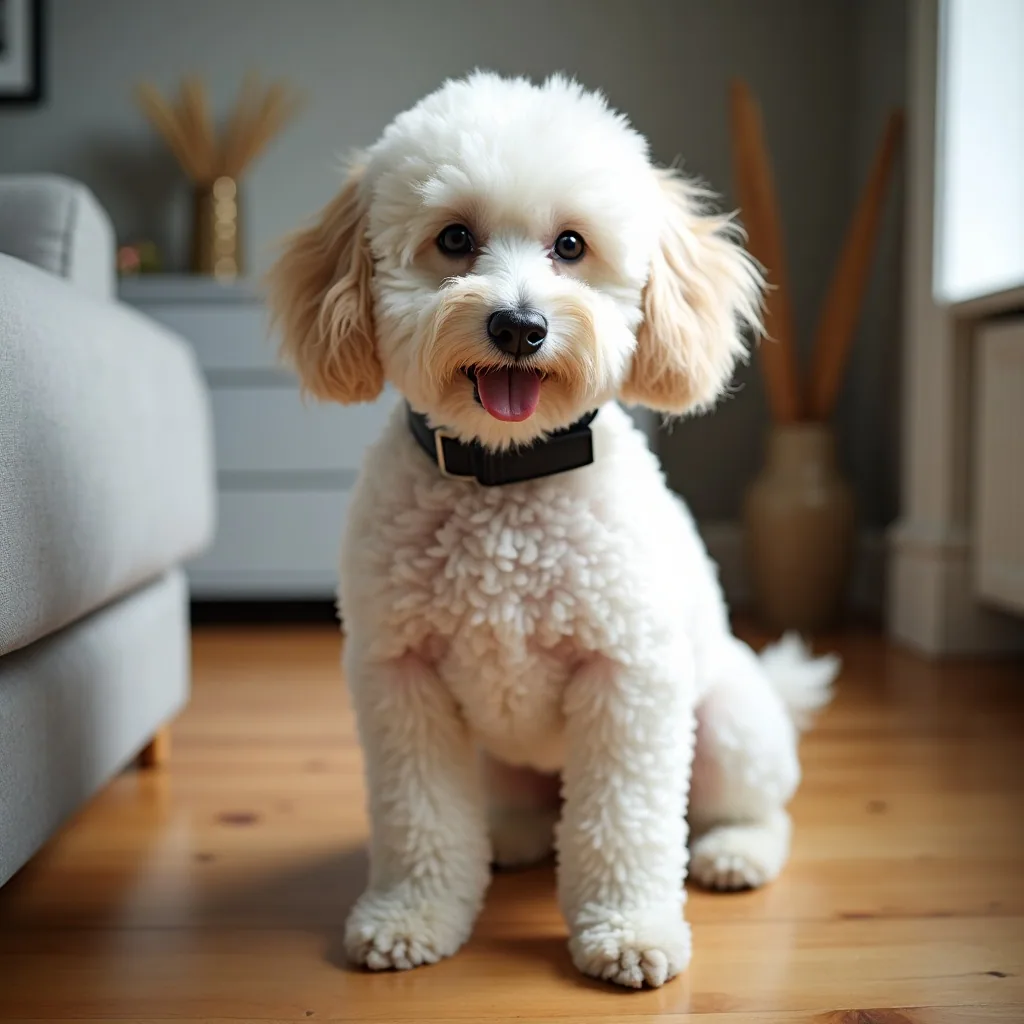
How Big Do Standard Poodles Get? Size & Types
How big Standard Poodles get, how they compare with Miniature and Toy Poodles, and how a curly-coated puppy grows into a tall, athletic adult dog.
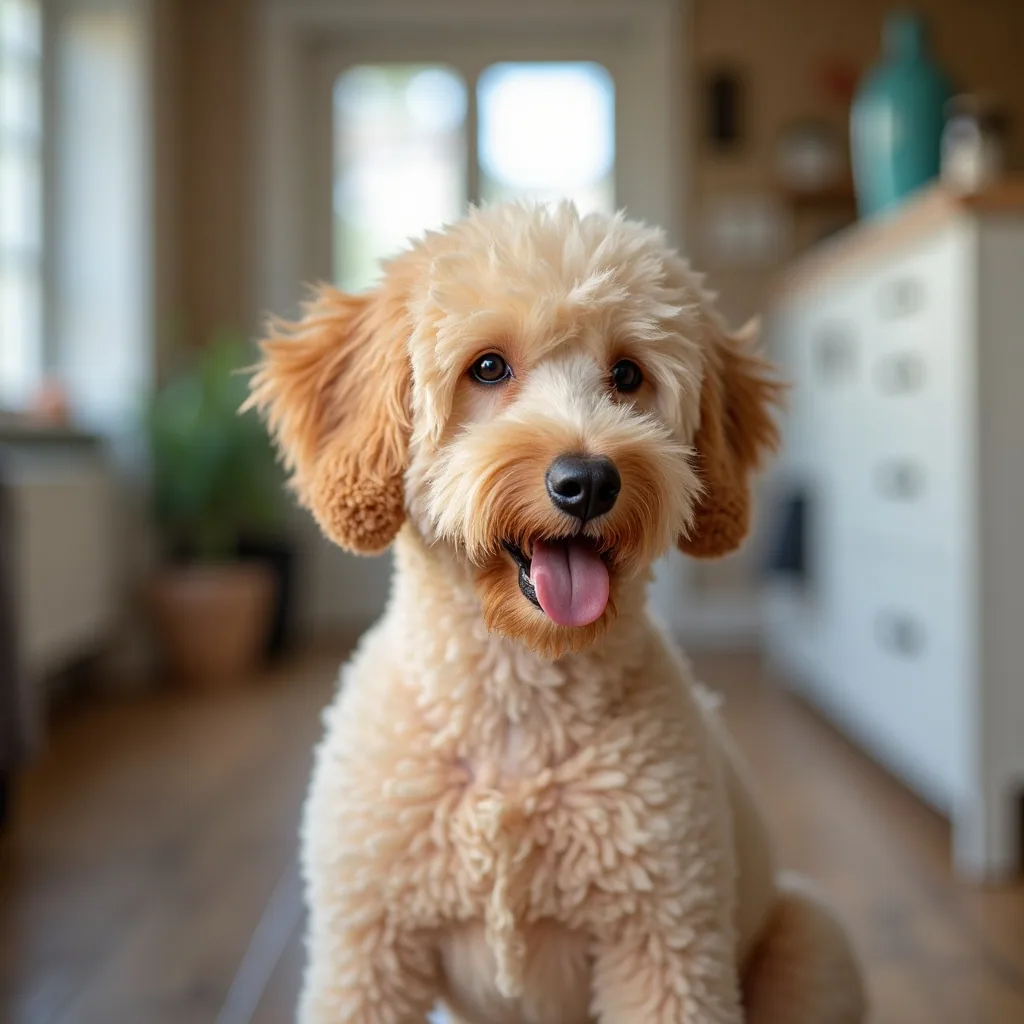
Standard Poodle Grooming & Care (Clipping & Coat)
How to groom and care for a Standard Poodle — daily brushing, professional clipping every six to eight weeks, bathing, nails, teeth, ears and exercise.
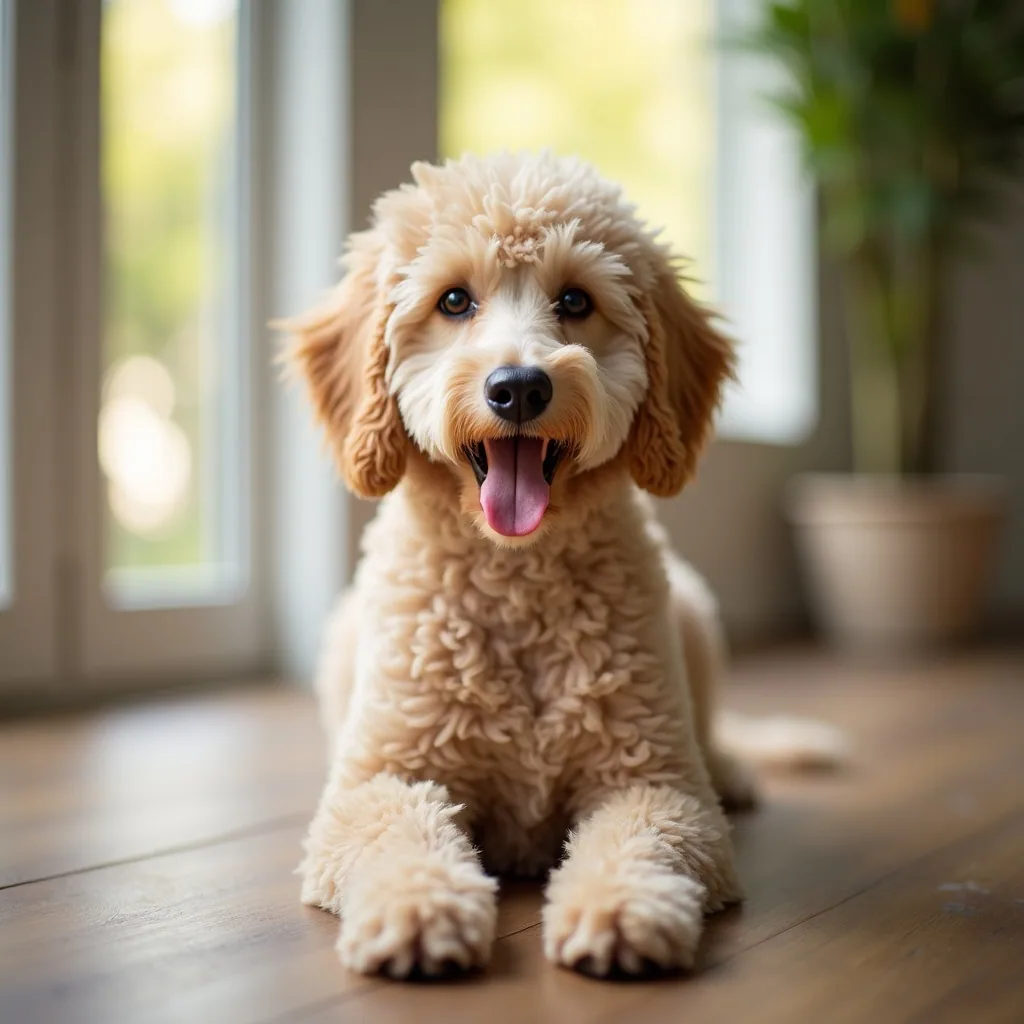
Standard Poodle Health & Lifespan
How long Standard Poodles live and the inherited conditions the breed can carry — hip dysplasia, bloat, Addison's disease and eye disorders — plus how to help yours stay well.
How Much Does a Standard Poodle Cost? Buying & Lifetime Costs
What a Standard Poodle really costs — the price of a health-tested puppy, the lifetime running costs including grooming, and why insurance matters.