


Are Springer Spaniels Good Family Dogs?
Springer Spaniels are warm, people-loving family dogs that adore children and bond hard — but they're high-energy gundogs that need real exercise, company and grooming. Here's the honest picture of who they suit.

The quick answer
Yes — Springers are typically gentle, patient and affectionate with children, and most owners find them watchful and good-natured around little ones. As with any dog, supervise interactions with young children and teach kids to respect the dog's space, but the breed's friendly, people-loving nature makes them a popular family choice.
Ask anyone who's lived with a Springer Spaniel and you'll get the same answer with a slightly tired smile: yes, they're wonderful family dogs — *if* you can keep up with them. The English Springer Spaniel is one of the most affectionate, people-focused breeds you can bring home, but they come with a genuine energy bill that catches a lot of families out. So before you fall for those soft ears and that ever-wagging tail, here's the real picture.
The good news: they genuinely love being part of the family
Springers are warm, playful and people-orientated to their core. They were bred to work closely alongside us in the field, and that closeness shows at home — they want to be in the room, in on the walk, and ideally on the sofa next to you. The PDSA describes them as "happy, playful and energetic" dogs that thrive on family involvement, and most owners find them gentle and watchful around children. They tend to get on well with other household pets too, especially when raised with them. If you want a dog that's fully involved in family life rather than aloof, a Springer delivers in spades.
They're also bright and eager to please, which makes training relatively straightforward. The Kennel Club and PDSA both note they're obedient and keen to learn — reward-based training with treats and praise works brilliantly. The flip side of that clever, busy brain is that they bore easily, so they need mental work as much as physical exercise.
The honest bit: the exercise reality
This is where families need to be truthful with themselves. A Springer is not a dog you can satisfy with a gentle stroll round the block. The PDSA recommends owners be prepared to give a Springer over two hours of exercise per day, plus daily mental enrichment on top. Without it, that lovely temperament can curdle into chewing, barking, restlessness and general mischief — not because they're badly behaved, but because they're under-stimulated working dogs.
If you only take one thing from this article, make it this: a Springer is a poor fit for a sedentary household. They suit active families who genuinely enjoy long, varied days outdoors in all weathers.
Working line vs show line — it really matters
The breed has split into two fairly distinct types, and choosing the wrong one for your lifestyle is a common mistake. Working line Springers are bred for stamina and drive in the shooting field — they're more intense, higher-energy and more sensitive to movement and sound, and many genuinely need three-plus hours of vigorous work a day. Show line Springers tend to be a little calmer and heavier-built, often happy on the 60–90 minutes of mixed walks and play that many active pet homes can realistically offer.
Neither is "better" — but for a typical busy family, a show-line pup from a reputable breeder is usually the more sensible match. Ask any breeder directly which line their dogs come from.
They don't like being left
Springers form deep bonds, and the downside of that devotion is that they don't cope well with long stretches alone. Left for hours on end, many develop separation-related behaviours — barking, destruction, distress. They're best suited to households where someone is around for much of the day, or where you can build up alone-time gradually and use dog walkers or daycare. If everyone's out at work nine-to-five, think very carefully.
Grooming is a real, ongoing job
That gorgeous feathered coat needs commitment. Plan on brushing a couple of times a week (and after every muddy, wet walk — there will be many), plus a professional tidy-up trim roughly every 8–12 weeks. They shed, with bigger seasonal "blow-outs" in spring and autumn. Crucially, their long, droopy ears trap moisture and are prone to infections, so weekly ear checks should become a habit.
So — who do Springer Spaniels actually suit?
A Springer is a fantastic family dog for the *right* family: active people who love the outdoors, who'll be around for company through the day, who enjoy training and games, and who don't mind a bit of mud and grooming. They're affectionate, brilliant with children, and endlessly enthusiastic. For a quieter, busier, out-all-day household, though, that same enthusiasm becomes a strain on everyone. Be honest about your life, choose the right line, and a Springer will repay you with years of devotion.
*This article is general guidance from experience, not veterinary advice. Always speak to your vet or a reputable breeder about your individual dog.*
Sources
Common questions
Are Springer Spaniels good with children?
Yes — Springers are typically gentle, patient and affectionate with children, and most owners find them watchful and good-natured around little ones. As with any dog, supervise interactions with young children and teach kids to respect the dog's space, but the breed's friendly, people-loving nature makes them a popular family choice.
How much exercise does a Springer Spaniel really need?
A lot. The PDSA advises owners to be ready to provide over two hours of exercise a day, plus daily mental stimulation. Working-line Springers often need even more — three or more hours of vigorous activity. They're not suited to sedentary homes, and under-exercised Springers tend to become vocal, chewy and restless.
What's the difference between working and show line Springer Spaniels?
Working-line Springers are bred for field work — more intense, higher-energy and needing more exercise. Show-line Springers are generally a little calmer and heavier-built, often content with 60–90 minutes of varied walks and play. For most active pet families, a show-line dog from a reputable breeder is usually the easier fit. Always ask the breeder which line their dogs come from.
Can Springer Spaniels be left alone?
Not for long. Springers bond closely with their people and often struggle with extended time alone, developing separation-related behaviours like barking and destruction. They suit homes where someone is around for much of the day, or where you can build up alone-time gradually with help from dog walkers or daycare.
Do Springer Spaniels need a lot of grooming?
Yes, it's an ongoing commitment. Brush a couple of times a week and after wet, muddy walks, with a professional tidy-up trim every 8–12 weeks. They shed year-round with heavier seasonal moults in spring and autumn. Their long, droopy ears are prone to infection, so build weekly ear checks into your routine.
About the author
Matt Garnett — founder, Giddy Pets
Matt started Giddy Pets to make getting pets the good stuff simpler and fairer. Everything in these guides comes from real life with pets and a lot of trial and error — it's practical guidance, not veterinary advice. If a guide gets something wrong, tell him directly.
Advice & planning
Free tools & more guides
Practical calculators and trusted guides relevant to this product.
Read next
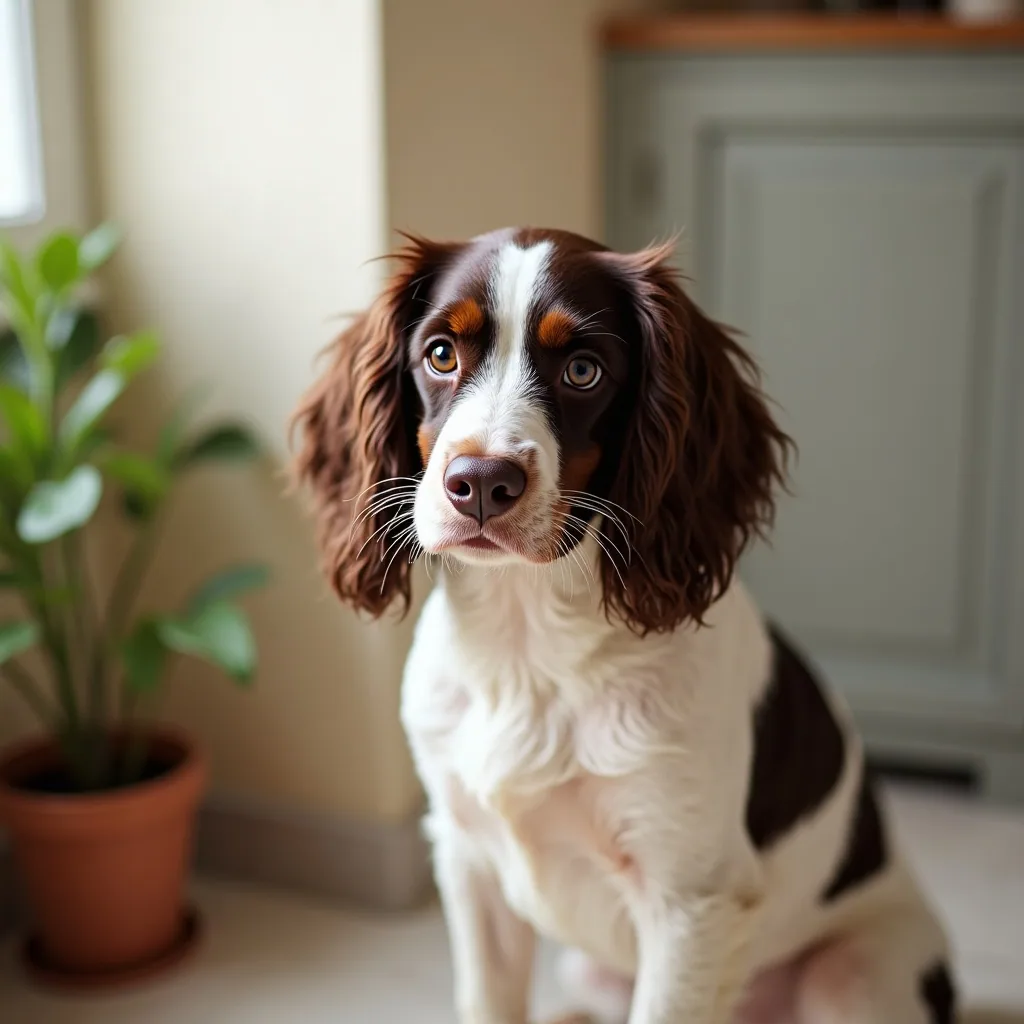
How Long Do English Springer Spaniels Live? Lifespan & Health
How long Springer Spaniels live, the ear, eye and inherited conditions the breed is prone to, and how to help yours stay healthy.
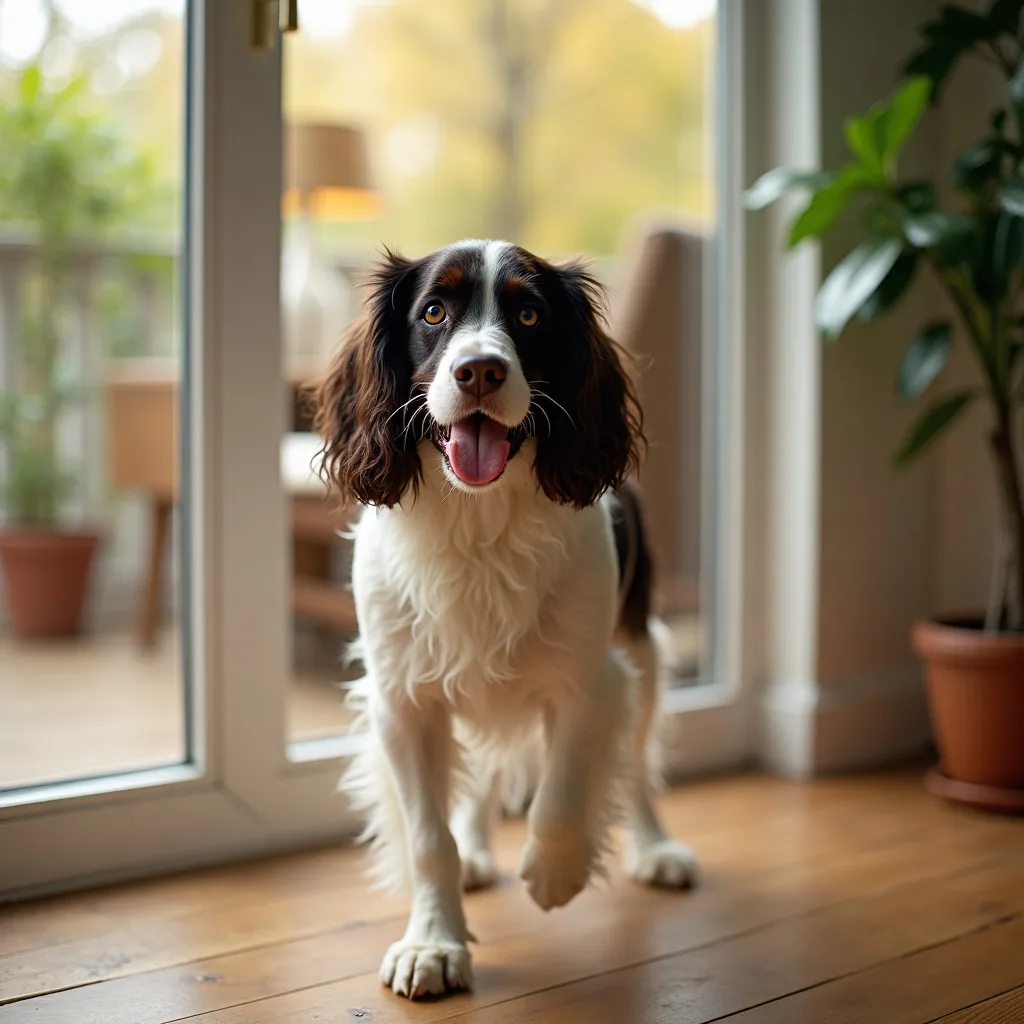
How Much Exercise Does a Springer Spaniel Need?
Springer Spaniels are tireless working dogs that need a lot of exercise and mental work. Exactly what that looks like, and whether the breed suits you.
Springer Spaniel Grooming Guide
Springer Spaniels carry a medium double coat with silky feathering that mats, soaks up mud and traps grass seeds — and ears that are prone to infection. Here's a practical, lived-experience UK guide to brushing, ear care, trimming, bathing and post-walk checks, written for owners (not as veterinary
Working vs Show Springer Spaniel: What's the Difference?
Working and show Springer Spaniels share a name and a Kennel Club registration, but they can look and behave like two different dogs. Here's the honest difference between the lighter, driven field-bred type and the heavier, calmer show-bred type, and how to tell which one suits your home.