
Are Shih Tzus Good Family Dogs?
What Shih Tzus are really like to live with — their affectionate companion temperament, their needs, and the homes and families they suit best.

The quick answer
Generally yes. Shih Tzus were bred as companion dogs and are known for being affectionate, friendly and people-focused, which makes them a popular choice for families and for older or less active owners. They are small, adaptable and usually get on well with children and other pets.
Few small breeds have endured as a family favourite quite like the Shih Tzu. Bred over centuries purely as a companion, this little dog is famous for being affectionate, friendly and devoted to its people. But are Shih Tzus actually good family dogs, and would one suit your home? Here is an honest look at the breed's temperament, the responsibilities that come with it, and the households they fit best.
A companion breed at heart
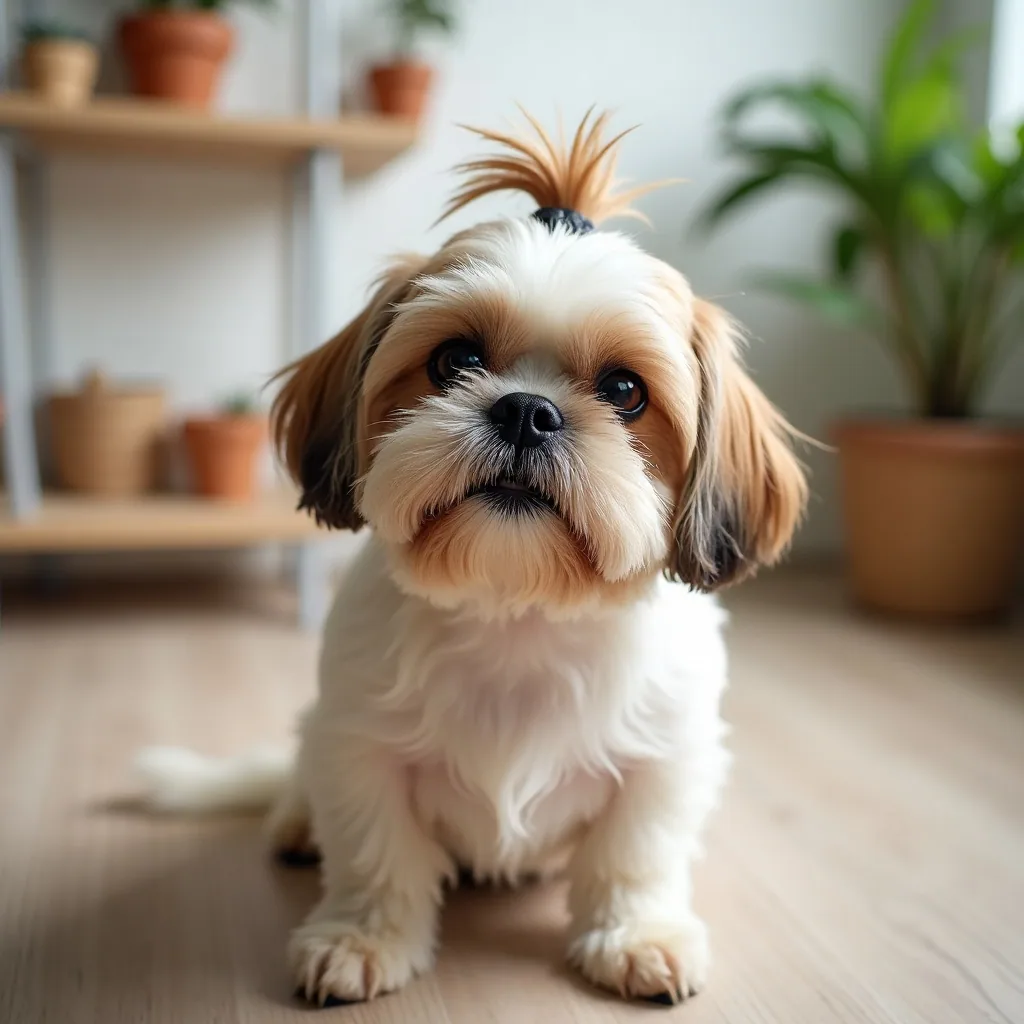
The Shih Tzu was never bred to work, herd or hunt — it was bred to be a friend. That history shows in the temperament: Shih Tzus are typically affectionate, sociable and people-focused, happiest when they are with their family and involved in everyday life. They tend to be friendly with visitors, adaptable to different homes, and content as long as they have company and their needs met. This makes them one of the most popular companion breeds in the UK for families, couples and older or less active owners alike.
Good with children
Shih Tzus generally do well with children. They are small, sturdy little dogs with a tolerant, gentle nature, and many enjoy the company and attention of a family. As with any dog and any breed, the relationship works best when children are taught how to handle the dog gently and respect its space — particularly its need for quiet rest and undisturbed sleep. Interactions between dogs and very young children should always be supervised, and children should learn to leave the dog alone when it is eating, sleeping or retreating to its bed. Done well, a Shih Tzu can be a wonderful first family dog.
Getting on with other pets
Because they are sociable and not strongly driven by prey or guarding instincts, Shih Tzus often get on well with other dogs and pets, especially when introduced calmly and gradually and when properly socialised from a young age. Early, positive socialisation — meeting a variety of people, dogs and situations as a puppy — sets the foundation for a confident, easy-going adult.
They want company
The flip side of being such a devoted companion is that Shih Tzus are not suited to being left alone for long stretches. They form close bonds and can be prone to separation-related behaviour if regularly left for hours, so they are happiest in homes where someone is around much of the day. If you do need to leave them, build up time alone gradually from puppyhood, leave them comfortable and occupied, and consider a dog walker or sitter for longer absences. Honest reflection on your household's routine matters before committing.
Grooming and health are part of the deal
A Shih Tzu's affectionate nature comes packaged with real care commitments. The long, dense coat needs daily attention or a regular professional clip, the large eyes and flat face need daily checks, and as a brachycephalic breed they should be protected from heat and overexertion. Families considering the breed should be honest about whether they can keep up the grooming and budget for it — our grooming and care guide and honest health guide lay out exactly what is involved.
Exercise and enrichment
Shih Tzus are a small, fairly low-energy breed and do not need long hikes — around an hour a day of gentle walking plus play suits most healthy adults, with strenuous activity avoided in warm weather. They do, however, benefit from mental stimulation: training, play and enrichment toys keep them happy and engaged. A puzzle or enrichment toy is a great way to keep a companion dog occupied, and a comfortable dog bed gives them the restful retreat they value. You can plan suitable walks with our dog walking calculator.
Who do Shih Tzus suit?
- Families wanting an affectionate, adaptable small dog that joins in daily life.
- Older or less active owners who can offer company and gentle exercise.
- People who are around much of the day, rather than out for long hours.
- Owners happy to groom a high-maintenance coat or pay for regular professional grooming.
- Anyone who understands the breed's flat-faced and eye-related health needs.
They are less ideal for households out all day with no company for the dog, or for people wanting a low-grooming, high-energy outdoor companion.
The honest verdict
For the right home, Shih Tzus make excellent family dogs: affectionate, friendly, adaptable and wonderful company. They ask for daily grooming, attention to their eyes and breathing, and plenty of company in return — and they reward it with years of devoted companionship. For more on the breed, see our guides on lifespan and health and costs.
*This is general guidance. Every dog is an individual, so meet the parents and puppies before choosing, and speak to your vet about your specific situation.*
Sources
- The Kennel Club — Shih Tzu breed information and temperament (thekennelclub.org.uk).
- Blue Cross — choosing a dog and dog behaviour (bluecross.org.uk).
- PDSA — dog care and companionship needs (pdsa.org.uk).
- RSPCA — dog welfare and socialisation (rspca.org.uk).
Common questions
Are Shih Tzus good family dogs?
Generally yes. Shih Tzus were bred as companion dogs and are known for being affectionate, friendly and people-focused, which makes them a popular choice for families and for older or less active owners. They are small, adaptable and usually get on well with children and other pets. As with any breed, children should be taught to handle them gently, interactions with very young children should be supervised, and the dog needs its grooming and health needs met.
Can Shih Tzus be left alone?
Shih Tzus are companion dogs that form close bonds with their people, so they are not suited to being left alone for long periods and can be prone to separation-related behaviour if regularly left for hours. They are happiest in homes where someone is around much of the day. If you do need to leave them, build up time alone gradually from puppyhood, leave them comfortable and occupied, and consider a dog walker or sitter for longer absences.
Do Shih Tzus bark a lot?
Shih Tzus are not known as excessive barkers compared with some toy breeds, but as alert companion dogs they will often bark to announce visitors or unfamiliar sounds. How much an individual barks depends on temperament, training and whether their needs for company and stimulation are met. Early socialisation, consistent positive-reward training and avoiding accidentally rewarding attention-seeking barking all help keep it to a sensible level.
About the author
Matt Garnett — founder, Giddy Pets
Matt started Giddy Pets to make getting pets the good stuff simpler and fairer. Everything in these guides comes from real life with pets and a lot of trial and error — it's practical guidance, not veterinary advice. If a guide gets something wrong, tell him directly.
Free tools & more guides
Read next

How Long Do Shih Tzus Live? Lifespan & Health
How long Shih Tzus live, the eye, breathing, ear and skin issues the breed can carry, and the practical things that help yours reach a healthy old age.
Shih Tzu Grooming & Care (Coat, Eyes & Topknot)
How to groom and care for a Shih Tzu — brushing the long coat, preventing mats, the topknot, eye and fold care, ears, nails, teeth and bathing.

How Much Does a Shih Tzu Cost? Buying & Lifetime Costs
What a Shih Tzu really costs — the price of a health-tested puppy, the lifetime running costs including regular grooming, and why insurance matters.

Shih Tzu Health Problems: An Honest Guide
An honest, factual guide to Shih Tzu health problems — the eye, breathing, ear, skin and joint issues the breed can carry, and how to reduce the risks.