
Are Shar Pei Good Family Dogs? Temperament & Fit
Shar Pei are loyal, calm and devoted but aloof with strangers and wary of other dogs. Whether the breed suits family life, and the socialisation it needs.
The quick answer
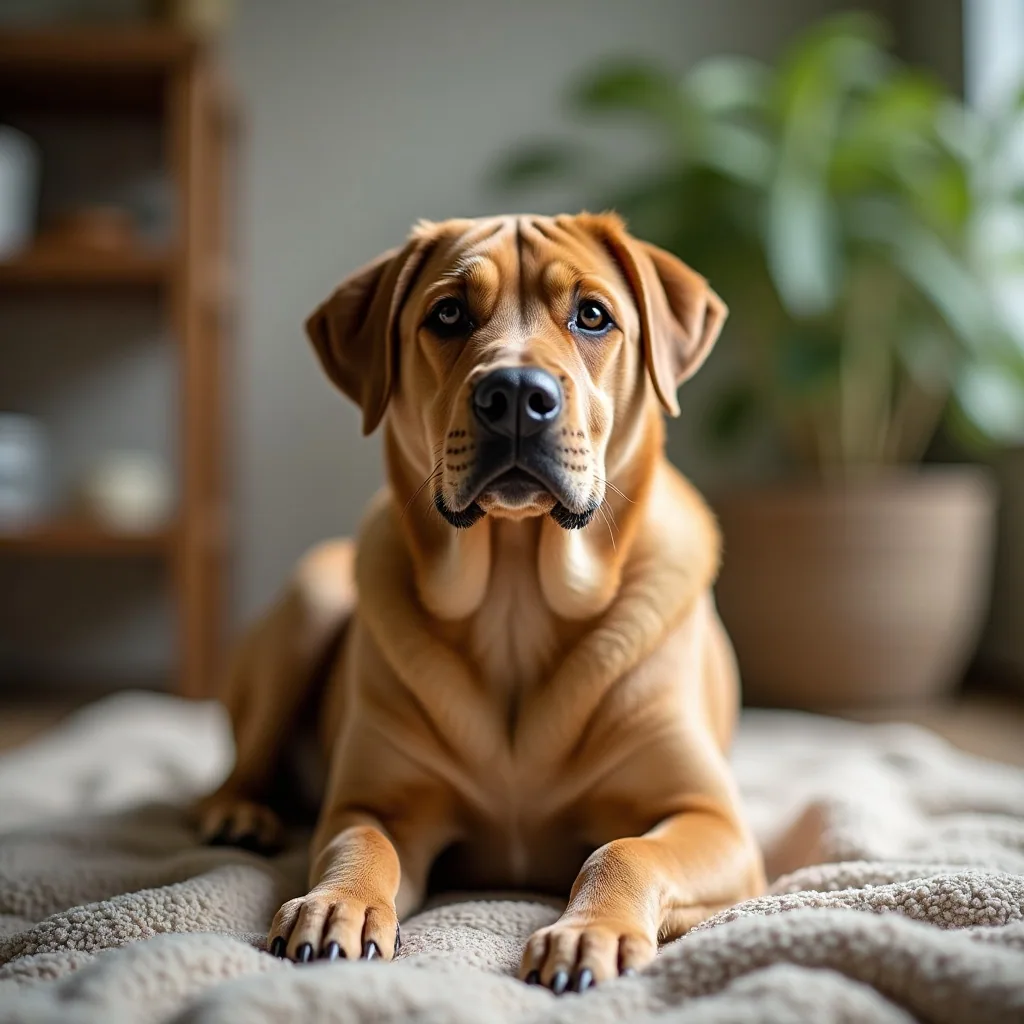
Shar Pei are calm, devoted and loyal to their own family and can be affectionate at home, but they're an independent, dignified breed that's typically aloof with strangers and can be intolerant of other dogs. They suit committed owners who'll socialise them early and thoroughly and supervise around young children and pets, rather than first-time owners wanting an easy-going dog.
The Chinese Shar Pei has a quiet, dignified character to match its unusual looks — deeply loyal to its own people, yet reserved and self-possessed with the wider world. That makes it a rewarding companion for the right home, but it isn't an easy-going 'anyone's dog'. Here's an honest look at Shar Pei temperament, how they fit into family life, and the socialisation they need.
What is the Shar Pei temperament like?
Shar Pei are typically calm, independent and devoted to their family. They tend to be affectionate and loyal at home while remaining aloof with strangers, with a natural guarding instinct rooted in the breed's history. They're not usually demanding or boisterous, and many are happy to be quietly present rather than constantly involved. That dignified, somewhat stubborn independence is part of the breed's appeal — but it also means they're not the most biddable dogs, and they reward patient, consistent handling.
Are Shar Pei good with children?
A well-socialised Shar Pei raised with respectful children can be a gentle, loyal family dog. However, their reserved nature and guarding instinct mean interactions with young children should always be supervised, and children must be taught to give the dog space — especially around food, beds and the dog's sensitive skin and eyes. As with any breed, never leave young children unsupervised with a dog. A Shar Pei often suits a calmer household over one full of constant noise and rough-and-tumble.
Shar Pei and other dogs and pets
This is where many owners are caught out. Shar Pei can be intolerant of unfamiliar dogs, and some show a strong same-sex intolerance. Many prefer to be the only dog, though some live happily with another dog they've grown up alongside. Their guarding instinct can also extend to smaller pets. Early, careful introductions and sensible lifelong management around unfamiliar dogs are usually needed, rather than assuming a Shar Pei will be relaxed in busy, social dog settings.
Why socialisation matters so much
Given the breed's natural wariness and reserve, early and thorough socialisation is essential. From puppyhood, a Shar Pei should be calmly and positively introduced to a wide range of people, places, sounds, handling and (carefully) other dogs. Well-socialised Shar Pei are confident and settled; under-socialised ones can become suspicious, anxious or reactive. Because they're naturally aloof, socialisation isn't optional polish — it's a core part of raising a sound, manageable Shar Pei. Reward-based training suits their sensitive, sometimes stubborn nature far better than heavy-handed methods.
Handling, grooming and the health dimension
A Shar Pei's care involves regular handling of sensitive areas — cleaning skin folds, checking the narrow ears, watching the eyes for signs of entropion. A dog that's been gently taught from puppyhood to accept this handling is far easier and safer to care for. Building this acceptance early, with calm praise and rewards, pays off across the dog's whole life and makes essential health care much less stressful for everyone.
Exercise and daily life
Shar Pei have moderate exercise needs — enjoyable daily walks and play rather than endless miles. Take care in warm weather, as some individuals have reduced heat tolerance and can struggle to cool down. A well-fitted harness takes pressure off the neck on walks, and a comfortable bed gives this calm, home-loving breed somewhere settled to rest. Mental stimulation — sniffing, gentle training, puzzle play — suits their thoughtful nature well.
Is a Shar Pei right for you?
A Shar Pei may suit you if you want a calm, loyal, dignified companion, will commit to early socialisation and ongoing skin, ear and eye care, and are comfortable managing a reserved dog around strangers and other dogs. They're less suited to first-time owners wanting an instantly sociable, easy dog, or to homes unable to commit to the breed's health and handling needs.
When to seek help
If your Shar Pei shows persistent fear, suspicion or reactivity, ask your vet to rule out pain (skin, eye and ear discomfort can cause behaviour changes) and consider a qualified, reward-based behaviourist early — issues are far easier to resolve when addressed promptly.
*This is general guidance, not a substitute for advice from your vet, who can assess your individual dog.*
Sources
- RVC VetCompass — UK dog health and longevity research (rvc.ac.uk/vetcompass).
- UK Kennel Club & BVA — breed standards, temperament and health (thekennelclub.org.uk).
- PDSA — dog behaviour and breed care (pdsa.org.uk).
- Blue Cross — dog behaviour and socialisation (bluecross.org.uk).
Common questions
Are Shar Pei good family dogs?
Shar Pei are calm, devoted and loyal to their own family and can be affectionate at home, but they're an independent, dignified breed that's typically aloof with strangers and can be intolerant of other dogs. They suit committed owners who'll socialise them early and thoroughly and supervise around young children and pets, rather than first-time owners wanting an easy-going dog.
Do Shar Pei get on with other dogs?
Often not. Shar Pei can be aloof and intolerant of unfamiliar dogs, which is one reason early, careful socialisation matters so much. Some live happily alongside a dog they've grown up with, but many prefer to be the only dog. Sensible management around unfamiliar dogs is usually needed throughout a Shar Pei's life, alongside ongoing socialisation.
Are Shar Pei easy to train?
Shar Pei are intelligent but independent and can be stubborn, so they're not the most biddable dogs. They respond best to patient, consistent, reward-based training started early. Teaching them from puppyhood to accept handling of their skin, ears and eyes is especially valuable, as it makes the breed's essential health care far easier and less stressful.
About the author
Matt Garnett — founder, Giddy Pets
Matt started Giddy Pets to make getting pets the good stuff simpler and fairer. Everything in these guides comes from real life with pets and a lot of trial and error — it's practical guidance, not veterinary advice. If a guide gets something wrong, tell him directly.
Free tools & more guides
Read next
How Long Do Shar Pei Live? Lifespan & Health
Shar Pei live around 9–11 years. The fever, skin-fold, entropion and ear issues this wrinkled breed is prone to, and why moderate, health-tested lines matter.
Shar Pei Skin, Wrinkle & Ear Care Guide
How to care for a Shar Pei's skin folds, narrow ears and sensitive eyes — preventing fold dermatitis, infections and spotting entropion early, the UK vet way.
Cost of Keeping a Shar Pei in the UK
What a Shar Pei really costs to keep in the UK — food, insurance and routine care, plus the breed-specific skin, eye and surgery costs to budget for honestly.
Are Lhasa Apsos Good Family Dogs? Temperament & Fit
Lhasa Apsos are alert, loyal little watchdogs — affectionate yet aloof and a touch stubborn. Whether the breed suits your family, and how to help one settle in.