
Are Scottish Terriers Good Family Dogs? Temperament & Fit
Scotties are bold, dignified and loyal, but independent and strong-willed. How the breed's temperament fits family life, and the socialisation it needs.

The quick answer
Scotties are loyal, dignified and devoted, usually bonding closely with one or two people. They can be good family companions in homes that understand terriers, but they're independent, can be reserved with strangers and won't tolerate rough handling, so they suit households with older, considerate children.
The Scottish Terrier is a small dog with an outsized personality — bold, dignified and fiercely loyal. But the Scottie isn't a soft lapdog, and understanding the breed's temperament is the key to a happy household. Here's what Scotties are really like to live with, whether they suit families, and how to bring out the best in one.
What is a Scottish Terrier's temperament like?
Scotties are bold, dignified, independent and loyal — a classic working terrier in a compact, characterful package. They tend to bond closely with one or two people and can be reserved, even aloof, with strangers. They're confident to the point of self-assured, carry themselves with real presence, and have a famously stubborn streak. None of this makes them difficult; it makes them a breed that rewards owners who understand and respect what a terrier is.
Are Scottish Terriers good family dogs?
They can be excellent family companions in the right home. Scotties are devoted and protective of their people, and many are wonderful with the children they're raised alongside. The caveat is that they're dignified dogs who won't tolerate rough or unpredictable handling, so they generally suit households with older, considerate children rather than toddlers. Teach children to respect the dog's space — particularly around food, beds and toys — and supervise interactions, as you would with any breed. A Scottie that's treated with respect tends to return loyalty in spades.
The independent streak
Scotties were bred to work alone underground, going to ground after rats, foxes and badgers, and that heritage shaped a dog that thinks for itself. The flip side of their admirable self-reliance is a stubborn streak: a Scottie will often decide whether your request is worth obeying. They're intelligent and learn quickly, but they're not eager-to-please people-pleasers. Short, upbeat, reward-based training sessions started in puppyhood, with patience and consistency, achieve far more than repetition or any heavy-handed approach. Keep training varied and fun and you'll find a clever, capable partner.
Prey drive and other animals
That same working heritage gives the Scottie a strong prey drive. Many will chase small animals — squirrels, cats they don't live with, rabbits — and most love to dig. Secure fencing, a reliable recall and lead walks near wildlife or livestock are sensible precautions. With other dogs, Scotties can be bold and sometimes same-sex intolerant; their terrier confidence means they rarely back down, even from a much larger dog. Some live happily with another dog they've grown up with, but many prefer to be the only one. If you have cats, raising a Scottie with them from puppyhood gives the best chance of harmony, though their prey drive means supervision is wise.
Socialisation is essential
Because Scotties are naturally bold and can be wary of strangers, early and thorough socialisation is one of the most valuable things you can do. Introduce your puppy calmly and positively to a wide range of people, places, sounds, dogs and everyday situations during the critical early weeks and months. Well-socialised Scotties are confident and settled; under-socialised ones can become reactive or overly suspicious. Good socialisation doesn't change the breed's character — it lets that bold, dignified nature shine without tipping into wariness or reactivity.
Exercise and mental stimulation
Scotties are active, sturdy little dogs that need a good daily walk or two plus the chance to sniff, explore and use their busy minds. They're not high-octane endurance athletes, but a bored Scottie can become a determined digger or barker. Mix walks with toys, scent games, short training sessions and puzzle feeders to keep that clever, independent brain engaged. A well-exercised, mentally satisfied Scottie is a calmer, happier housemate.
Is a Scottish Terrier right for you?
A Scottie suits you if you want a characterful, loyal, dignified companion with real personality, and you'll meet their independence with patient, positive training, sensible management of their prey drive, and respect for their space. They're less suited to homes wanting a biddable, push-over dog, to households with very young children who can't yet read a dog's signals, or to anyone unwilling to commit to early socialisation. Get the match right and few breeds offer so much character in so small a package.
*This is general guidance, not a substitute for advice from your vet or a qualified behaviourist, who can assess your individual dog.*
Sources
- RVC VetCompass — UK dog health and behaviour research (rvc.ac.uk/vetcompass).
- UK Kennel Club & BVA — breed standards and temperament (thekennelclub.org.uk).
- PDSA — dog behaviour and breed care (pdsa.org.uk).
- Blue Cross — dog behaviour and training (bluecross.org.uk).
Common questions
Are Scottish Terriers good family dogs?
Scotties are loyal, dignified and devoted, usually bonding closely with one or two people. They can be good family companions in homes that understand terriers, but they're independent, can be reserved with strangers and won't tolerate rough handling, so they suit households with older, considerate children. Early socialisation helps temper their natural boldness and wariness.
Are Scottish Terriers stubborn?
Scotties have a reputation for independence and stubbornness — a legacy of being bred to work alone underground and think for themselves. They're intelligent and learn quickly, but they decide whether to comply. Short, positive, reward-based training sessions started early, with patience and consistency, get far better results than repetition or any heavy-handed approach.
Do Scottish Terriers have a strong prey drive?
Yes. The Scottie was bred to hunt and go to ground after rats, foxes and badgers, so a strong prey drive is built in. Many will chase small animals and dig given the chance. Secure fencing, a reliable recall and lead walks near wildlife or livestock are sensible. That working heritage also explains their boldness and determination.
About the author
Matt Garnett — founder, Giddy Pets
Matt started Giddy Pets to make getting pets the good stuff simpler and fairer. Everything in these guides comes from real life with pets and a lot of trial and error — it's practical guidance, not veterinary advice. If a guide gets something wrong, tell him directly.
Free tools & more guides
Read next
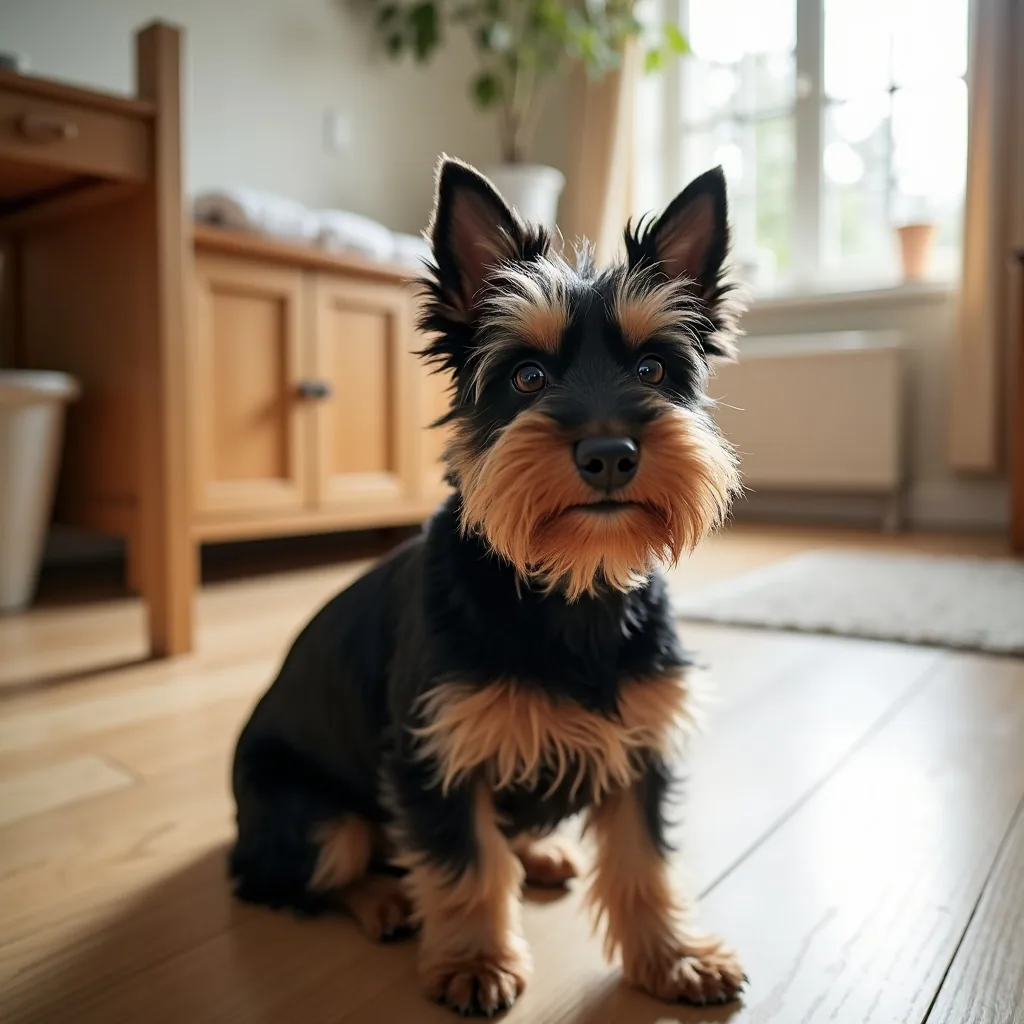
How Long Do Scottish Terriers Live? Lifespan & Health
Scottish Terriers live around 11–13 years. The bleeding, movement, joint and cancer conditions this bold breed is prone to, and how to help yours stay well.
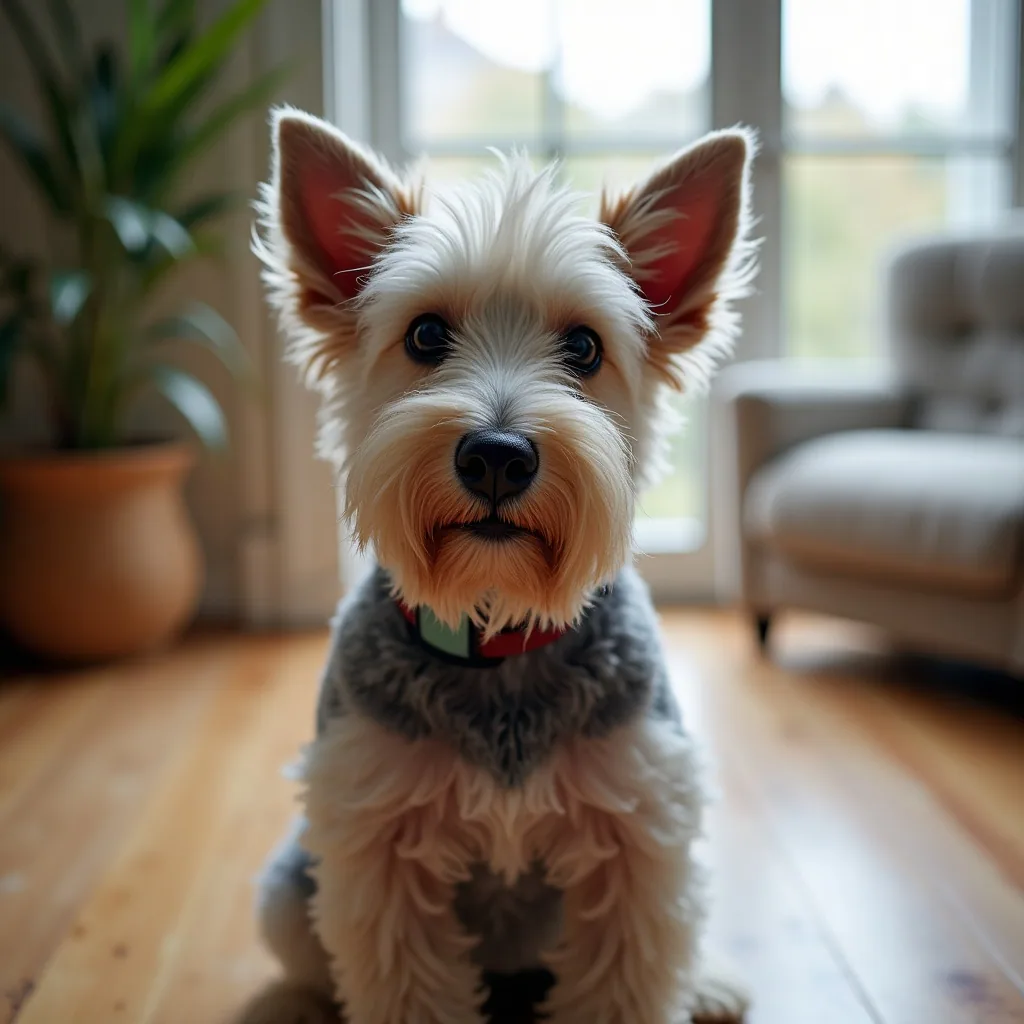
Scottish Terrier Grooming: Hand-Stripping, Clipping & Beard Care
The Scottie's wiry double coat needs regular work. Hand-stripping versus clipping, brushing routines, and how to keep that distinctive beard clean and tidy.
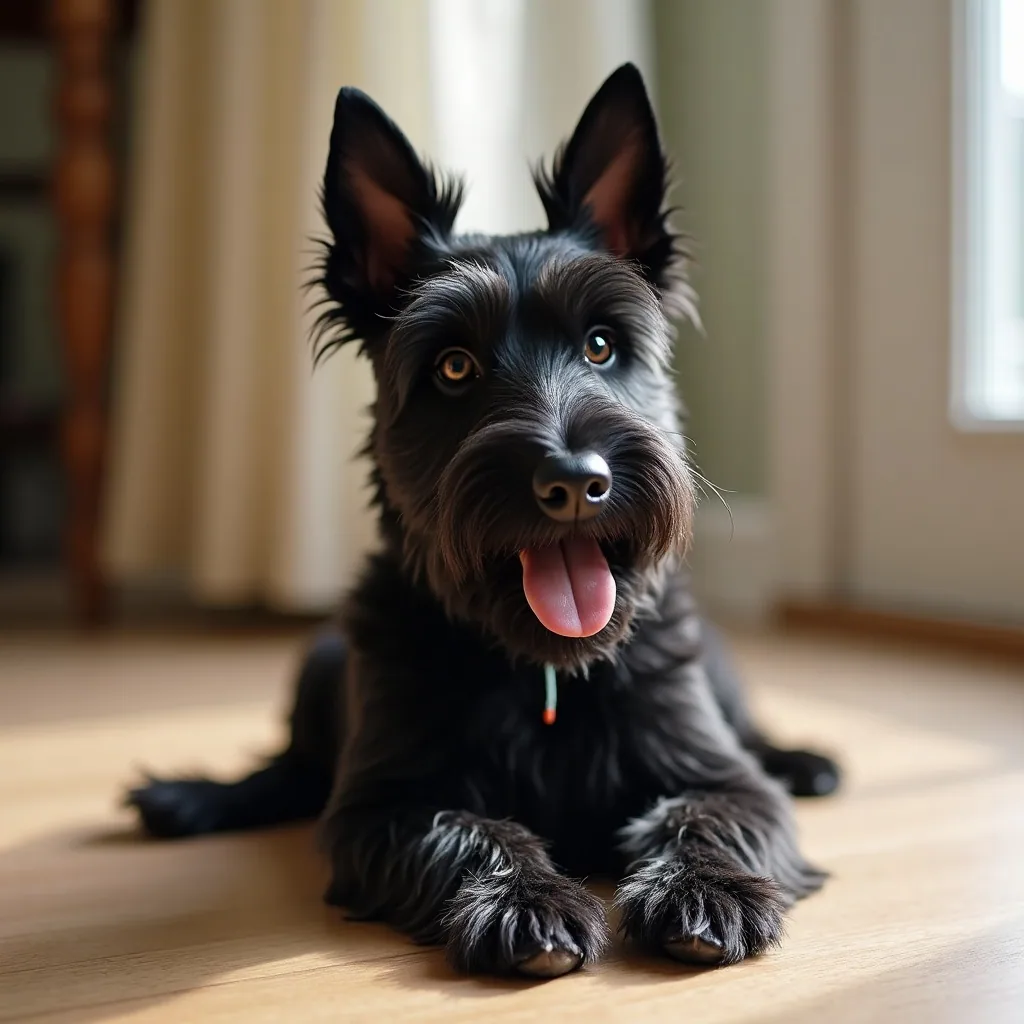
How Much Does a Scottish Terrier Cost to Keep? UK Guide
What a Scottish Terrier really costs in the UK — purchase price, monthly food, grooming, insurance and vet care, plus the lifetime cost of owning a Scottie.

Are Cairn Terriers Good Family Dogs? Temperament & Fit
Busy, bold and friendly, the Cairn Terrier is a brilliant family dog — but a true working terrier. An honest look at temperament, prey drive, digging and fit.