
Are Samoyeds Good Family Dogs? Temperament & Fit
Samoyeds are friendly, sociable family dogs with a famous smile — but they're vocal, need company and daily exercise. Whether the breed suits your home.
The quick answer
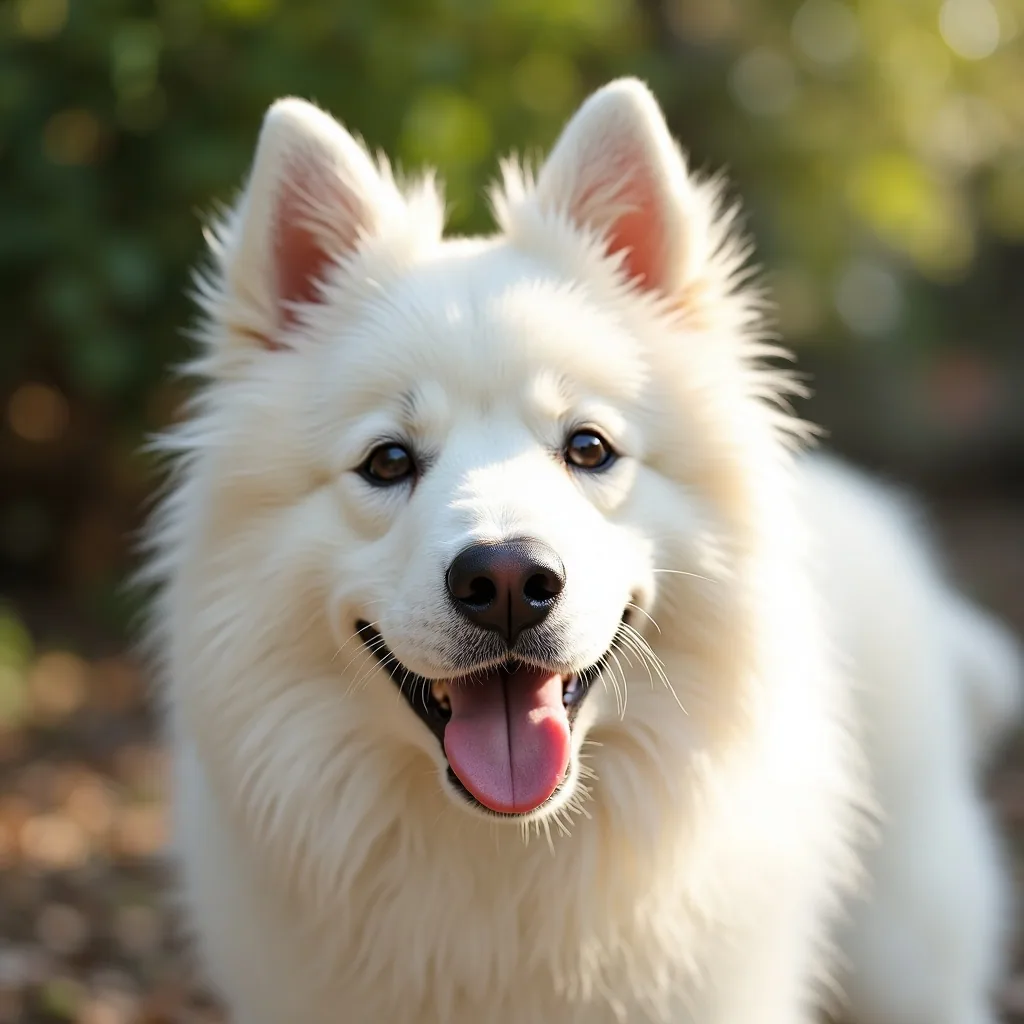
Yes — Samoyeds are famously friendly, gentle and sociable, with the cheerful 'Sammy smile' that makes them lovely family companions. They're affectionate with children and people generally, and bond closely with their household. They do need company, daily exercise and grooming, though, and their vocal, sometimes mischievous nature means they're best suited to active families who can give them plenty of time.
With their bright white coat, beaming 'Sammy smile' and famously friendly nature, Samoyeds are one of the most appealing family dogs around. But there's more to living with one than the cheerful face suggests — they're sociable to the point of needing constant company, notably vocal, and full of energy. Here's an honest look at the Samoyed temperament and whether the breed fits your household.
Are Samoyeds friendly?
Very. The Samoyed is one of the most sociable and good-natured breeds you'll meet — affectionate, gentle and people-loving, with a cheerful, almost smiling expression that's part of the breed's charm. They tend to greet everyone, family and strangers alike, as a friend, which makes them lovely companions but generally poor guard dogs. For a household that wants a warm, friendly, family-oriented dog, the Samoyed is hard to beat.
Are Samoyeds good with children?
Generally yes. Their gentle, playful, affectionate nature usually makes them good companions for children, and they often enjoy being part of busy family life. As with any dog, interactions with young children should always be supervised, and children should be taught to handle and respect the dog kindly. The Samoyed's size and bouncy enthusiasm mean very small children can get knocked over in play, so sensible supervision matters.
Do Samoyeds need company?
Yes — this is one of the most important things to understand about the breed. Samoyeds are deeply sociable and bond closely with their household. They don't cope well with being left alone for long periods and can become bored, anxious, vocal and destructive if isolated. They suit homes where someone is around for much of the day, or where they can be included in daily routines, rather than households where they'd be left alone for long stretches.
Are Samoyeds vocal?
Yes. Samoyeds are a notably 'chatty' breed — they bark, whine, 'talk' and sometimes howl, often to get attention or express excitement, boredom or loneliness. It's part of their sociable working heritage, but it does mean prospective owners should expect a vocal dog rather than a quiet one. Plenty of exercise, mental stimulation and company helps keep the noise to a reasonable level, but a silent Samoyed isn't really the breed's nature.
How much exercise and stimulation do they need?
A lot. Samoyeds are an active working and sled breed, bred to pull and to work alongside people, so they need a good amount of daily exercise — typically at least an hour or two of walks, play and activity — plus mental stimulation through training, games and toys. A bored Samoyed is a noisy, mischievous one, so giving them enough to do is the key to a well-behaved, contented dog. They love having a job and thrive on involvement in family activities.
Do Samoyeds get on with other pets?
Many Samoyeds live happily with other dogs and enjoy canine company, in keeping with their sociable, pack-working background. Their working heritage does include a prey drive, though, so care and early socialisation are sensible around cats and smaller pets, and introductions should always be careful and supervised.
What about training?
Samoyeds are intelligent and capable, but they can also be independent and a touch stubborn — a legacy of being bred to think for themselves while working. They respond best to positive, reward-based training that's kept fun and varied, and they can lose interest with repetitive drilling. Early socialisation and consistent, kind training pay real dividends, channelling their cleverness and energy in good directions. A Samoyed that's been well socialised and given a job to do is a delight; one that's left bored and untrained can be a noisy handful, so the effort early on is well worth it.
Who suits a Samoyed?
Samoyeds suit active, sociable households that are home a lot, enjoy grooming and outdoor activity, and don't mind a vocal, exuberant dog. They're a wonderful fit for families who want an affectionate, involved companion and can commit to the exercise, company and coat care the breed needs. They're a less good fit for people out all day, those wanting a quiet or low-maintenance dog, or anyone hoping for a guard dog.
Setting a Samoyed up to succeed
- Provide plenty of company — don't leave them alone for long.
- Exercise them well — daily walks, play and activity.
- Stimulate their mind — training, games and enrichment to prevent boredom.
- Socialise early — with people, dogs and other pets.
- Keep up the grooming — a fundamental part of life with this breed.
*This is general guidance, not a substitute for advice from your vet or a qualified behaviourist, who can assess your individual dog.*
Sources
- RVC VetCompass — UK dog health and behaviour research (rvc.ac.uk/vetcompass).
- UK Kennel Club & BVA — breed standards and temperament (thekennelclub.org.uk).
- PDSA — dog behaviour and breed care (pdsa.org.uk).
- Blue Cross — dog behaviour and care (bluecross.org.uk).
Common questions
Are Samoyeds good family dogs?
Yes — Samoyeds are famously friendly, gentle and sociable, with the cheerful 'Sammy smile' that makes them lovely family companions. They're affectionate with children and people generally, and bond closely with their household. They do need company, daily exercise and grooming, though, and their vocal, sometimes mischievous nature means they're best suited to active families who can give them plenty of time.
Are Samoyeds vocal?
Yes — Samoyeds are a notably vocal breed. They 'talk', whine, bark and sometimes howl, often to get attention or express excitement, boredom or loneliness. It's part of their sociable working heritage. Plenty of exercise, mental stimulation and company helps keep the noise down, but prospective owners should expect a chatty dog rather than a quiet one.
How much exercise do Samoyeds need?
Samoyeds are an active working and sled breed and need a good amount of daily exercise — typically at least an hour or two of walks, play and activity, plus mental stimulation. Without enough exercise and company they can become bored, vocal and destructive. They love having a job to do and thrive with active owners who'll involve them in family life.
About the author
Matt Garnett — founder, Giddy Pets
Matt started Giddy Pets to make getting pets the good stuff simpler and fairer. Everything in these guides comes from real life with pets and a lot of trial and error — it's practical guidance, not veterinary advice. If a guide gets something wrong, tell him directly.
Free tools & more guides
Read next
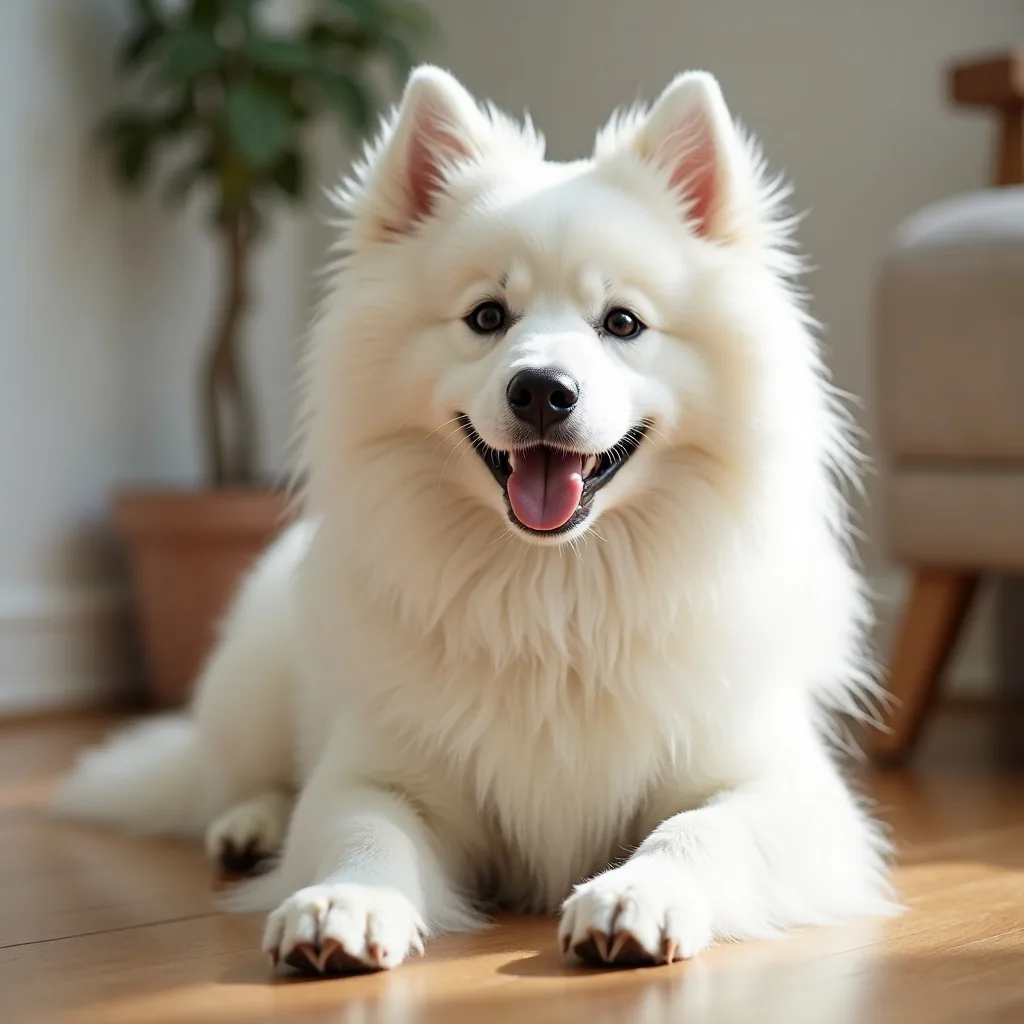
How Long Do Samoyeds Live? Lifespan & Health
Samoyeds live around 12–14 years. The kidney, eye, joint and other conditions this smiling Arctic breed is prone to, and how to help yours stay well.
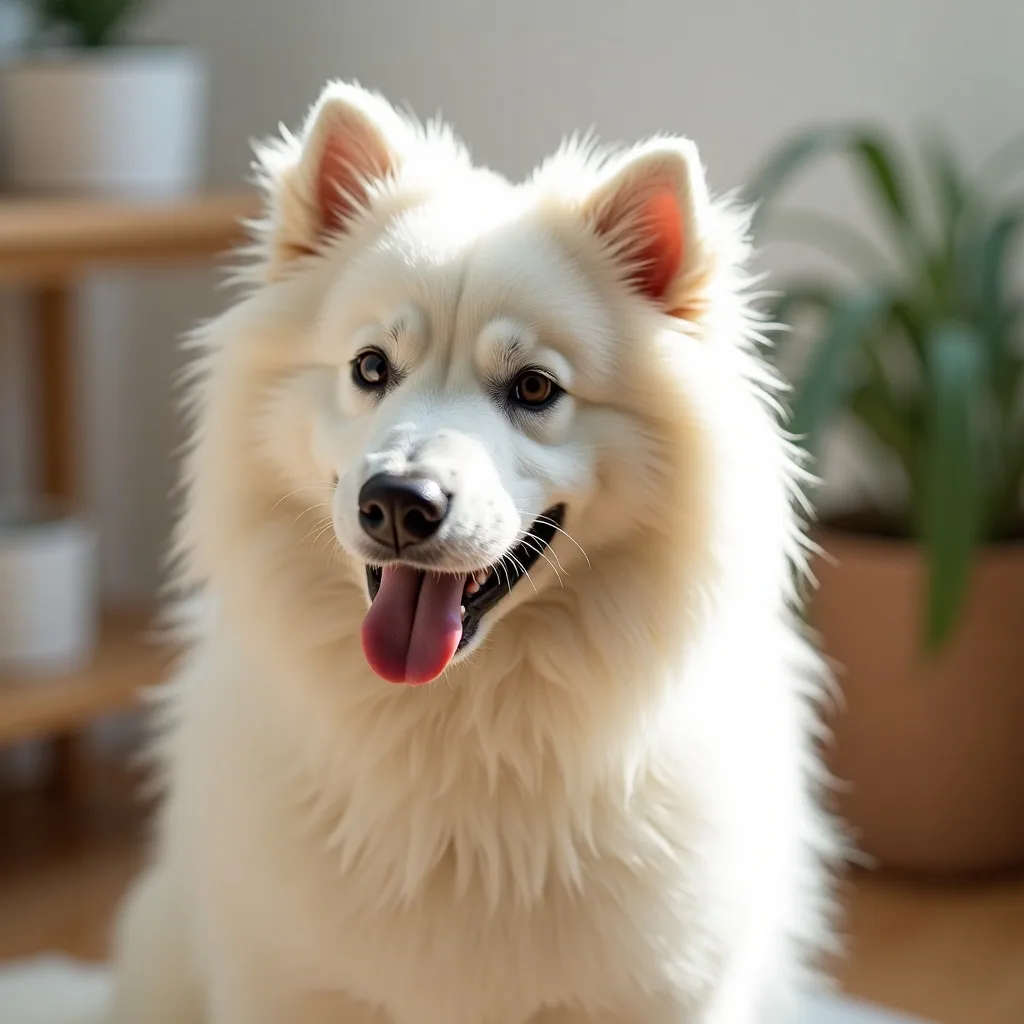
Samoyed Grooming: Coat, Shedding & Heat Care
Samoyeds have a thick white double coat that sheds heavily and needs frequent brushing. How to groom one, manage moulting, keep them cool and never to shave.
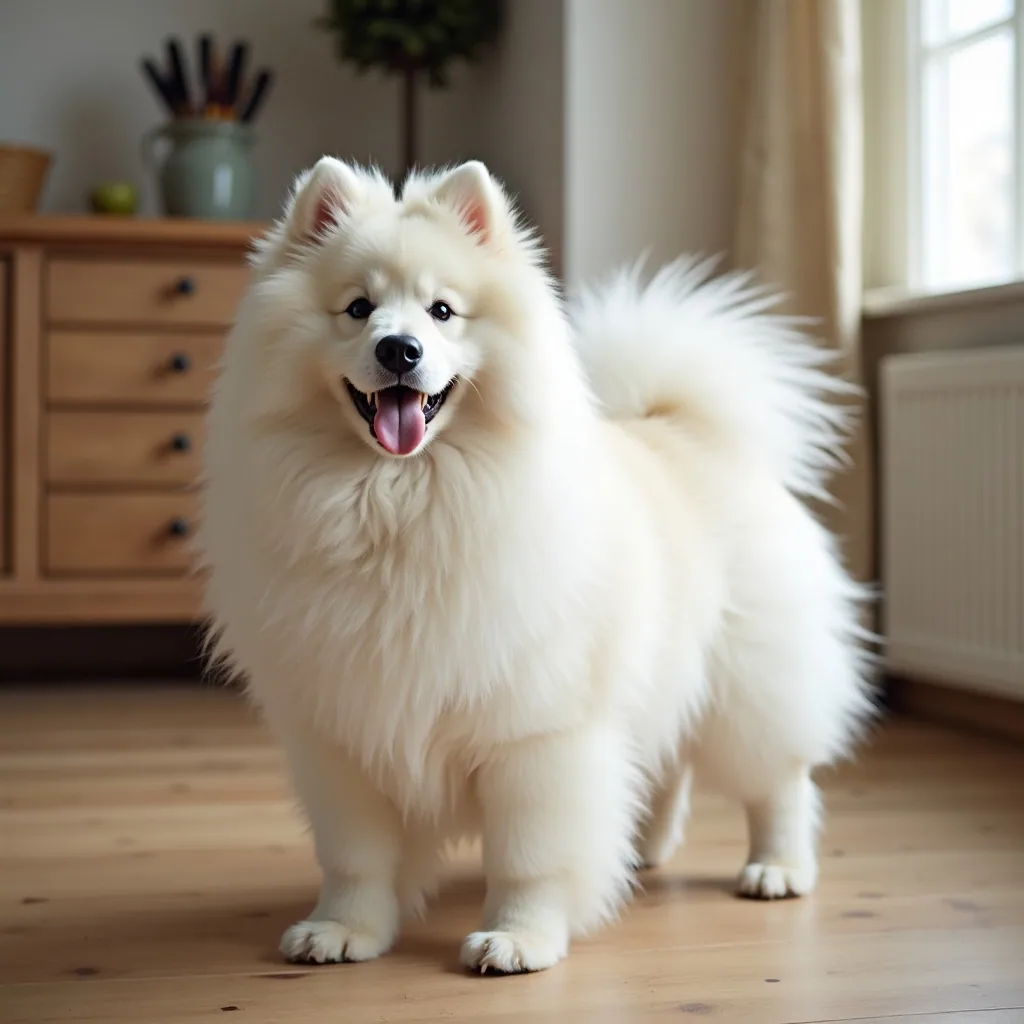
Cost of Owning a Samoyed in the UK
What a Samoyed really costs in the UK — purchase price, monthly food, grooming, insurance and vet care — plus the breed's coat and health costs to budget for.

Are Lhasa Apsos Good Family Dogs? Temperament & Fit
Lhasa Apsos are alert, loyal little watchdogs — affectionate yet aloof and a touch stubborn. Whether the breed suits your family, and how to help one settle in.