
Are Newfoundlands Good Family Dogs?
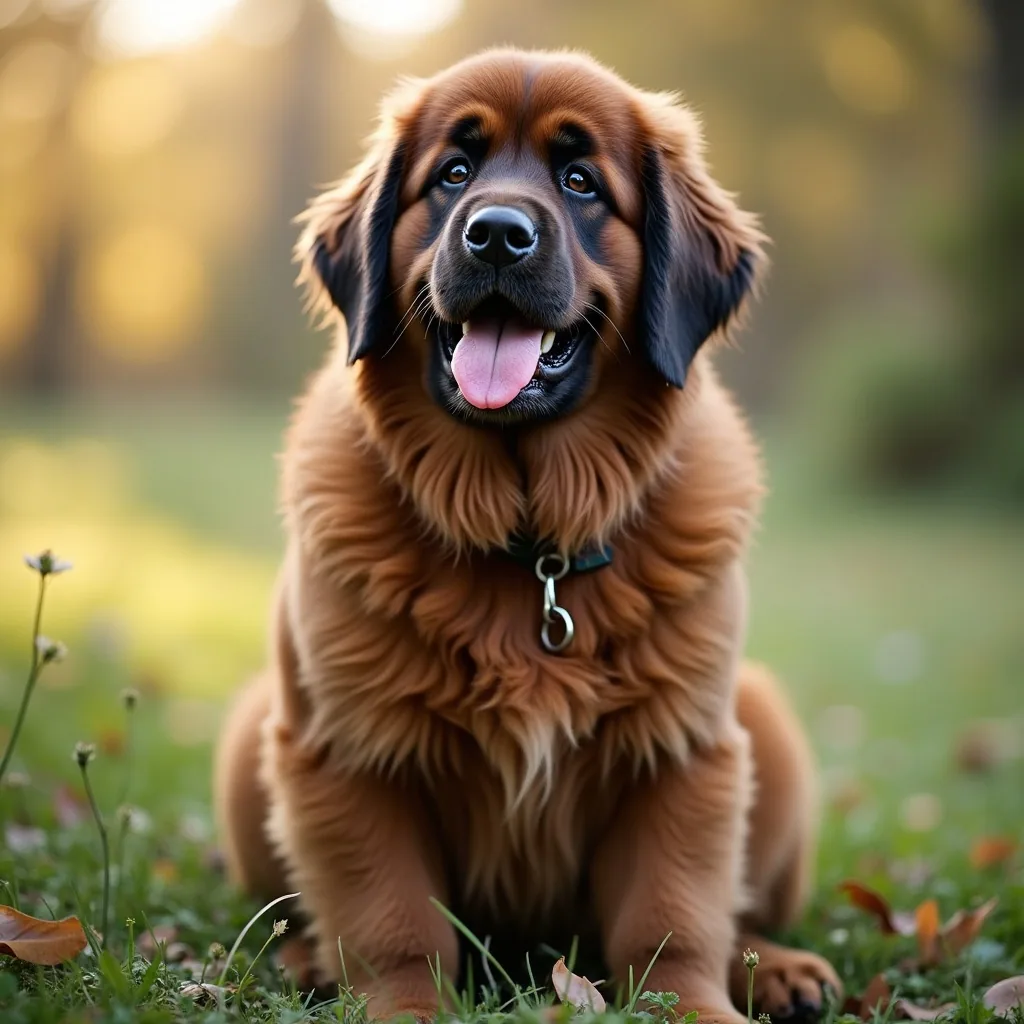
Newfoundlands are famous gentle giants and devoted family dogs. Their temperament with children, plus the size, strength and drool realities to plan for.
The quick answer
Newfoundlands have a well-earned reputation as gentle, patient 'nanny dogs', and a well-socialised one is usually wonderful with children. But that's a description of temperament, not a babysitting service — no dog should be left unsupervised with young children, and a giant breed can knock a toddler over by accident.
Few breeds have a softer reputation than the Newfoundland. Calm, patient and endlessly devoted, this giant water dog is often called a 'nanny dog' for its gentleness with children. But a wonderful temperament still comes wrapped in an enormous, powerful body, so the honest answer to whether a Newfoundland makes a good family dog is: yes, for the right family, with eyes open to the realities. Here's what life with one is really like.
The gentle-giant temperament
Newfoundlands are renowned for being sweet-natured, calm and devoted. Bred to work closely with people — hauling nets and rescuing people from water — they're biddable, people-focused and want to be part of family life. Indoors they're typically mellow and quiet, content to lie near you rather than bounce off the walls. That steady, affectionate nature is the heart of the breed's appeal and the reason so many families fall for them.
Newfoundlands and children
The breed's reputation around children is well earned: a well-bred, well-socialised Newfoundland is usually patient and tolerant. But 'nanny dog' is a description of temperament, not a babysitting service. No dog should ever be left unsupervised with young children, and that's doubly true with a giant breed — a friendly Newfoundland can knock a toddler over simply by turning around or wagging that huge tail. Teach children to be calm and respectful around the dog, give the dog a quiet space of its own, and always supervise. Get this right and the bond between a Newfoundland and a child can be a lovely thing.
The size reality
There's no getting around it: this is a giant breed. Males can weigh roughly 64–69kg and females 50–55kg, standing around 66–71cm at the shoulder. That has practical knock-on effects everywhere — a bigger car, a bigger bed, more food, higher costs, and the simple strength to pull you off your feet if not trained. Lead training and basic manners aren't optional with a dog this powerful; they're essential, ideally started in puppyhood while they're still (relatively) liftable.
The drool
Newfoundlands are droolers. Those large, loose jowls mean strings of drool after drinking, eating and exercise, and especially on warm days — and a head-shake can fling it surprisingly far. Most owners simply keep a 'drool cloth' to hand and accept it as part of the deal. If you're house-proud, it's worth knowing this before you commit, because it isn't something training can fix.
Exercise and space
Despite their size, Newfoundlands need moderate, not extreme, exercise — daily walks and the chance to potter, sniff and (if they can) swim. They're a working water breed and many adore swimming, which is gentle, low-impact exercise that suits them well; always supervise around water and introduce it gradually. The big caveat is growing puppies, whose joints are still developing: keep their exercise gentle and gradual, and avoid forced runs, repeated stair-climbing and high-impact games while they grow. They do best with space at home and access to a garden, though they're calm enough indoors to suit many households that can meet their needs. What a Newfoundland really wants is to be with its family — this is a breed that thrives on company and can become unhappy if left alone for long stretches.
Heat and coat care
That thick double coat is built for cold water, so Newfoundlands feel the heat and need careful management in summer — cool-of-day walks, shade and water. They also shed heavily and need regular grooming with a good brush. Both are part of the daily reality of the breed and worth factoring into family life.
So, are they a good family dog?
For a family with the space, time and budget for a giant breed — and a realistic view of size, strength, drool and grooming — the Newfoundland is one of the most genuinely lovable family dogs there is. They're patient, deeply attached to their people and, with early socialisation and consistent, kind training, an absolute joy to live with. They're not the right fit for cramped homes, tiny budgets, anyone out at work all day, or anyone unprepared for the practicalities, but for the right household they're devoted, gentle companions who give back every bit of the effort they ask for.
*This is general guidance, not a substitute for advice from your vet, who can assess your individual dog.*
Sources
- RVC VetCompass — UK dog health and longevity research (rvc.ac.uk/vetcompass).
- UK Kennel Club & BVA — breed temperament and health information (thekennelclub.org.uk).
- PDSA — dog behaviour and breed care (pdsa.org.uk).
- Blue Cross — dogs and families (bluecross.org.uk).
Common questions
Are Newfoundlands good with children?
Newfoundlands have a well-earned reputation as gentle, patient 'nanny dogs', and a well-socialised one is usually wonderful with children. But that's a description of temperament, not a babysitting service — no dog should be left unsupervised with young children, and a giant breed can knock a toddler over by accident. Supervise, teach respect, and the bond can be lovely.
Do Newfoundlands drool a lot?
Yes. Their large, loose jowls mean drooling is a classic Newfoundland trait, especially after drinking, eating or exercise and on warm days. Most owners keep a 'drool cloth' to hand and accept it as part of life with the breed. It's normal and not something training can fix, so it's worth knowing before you commit.
How much exercise does a Newfoundland need?
Newfoundlands need moderate, not extreme, exercise — daily walks plus the chance to potter, sniff and swim. The key caveat is growing puppies, whose developing joints can be harmed by too much hard exercise, jumping or stair-climbing. Build exercise up gradually and let a young Newfoundland grow into its size.
About the author
Matt Garnett — founder, Giddy Pets
Matt started Giddy Pets to make getting pets the good stuff simpler and fairer. Everything in these guides comes from real life with pets and a lot of trial and error — it's practical guidance, not veterinary advice. If a guide gets something wrong, tell him directly.
Free tools & more guides
Read next
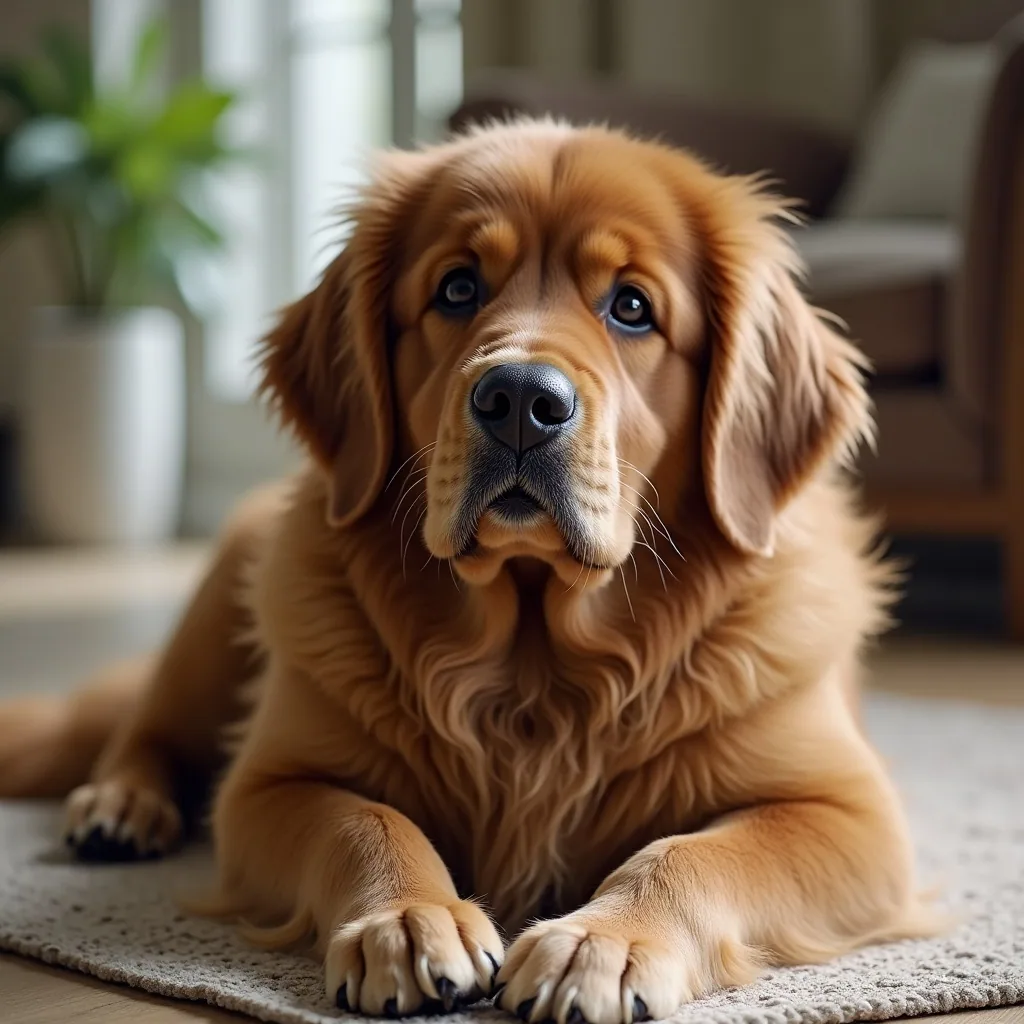
How Long Do Newfoundlands Live? Lifespan & Health
Newfoundlands live around 8–10 years. The heart condition (SAS), bloat, cystinuria and joint issues this gentle giant is prone to, and how to help yours.
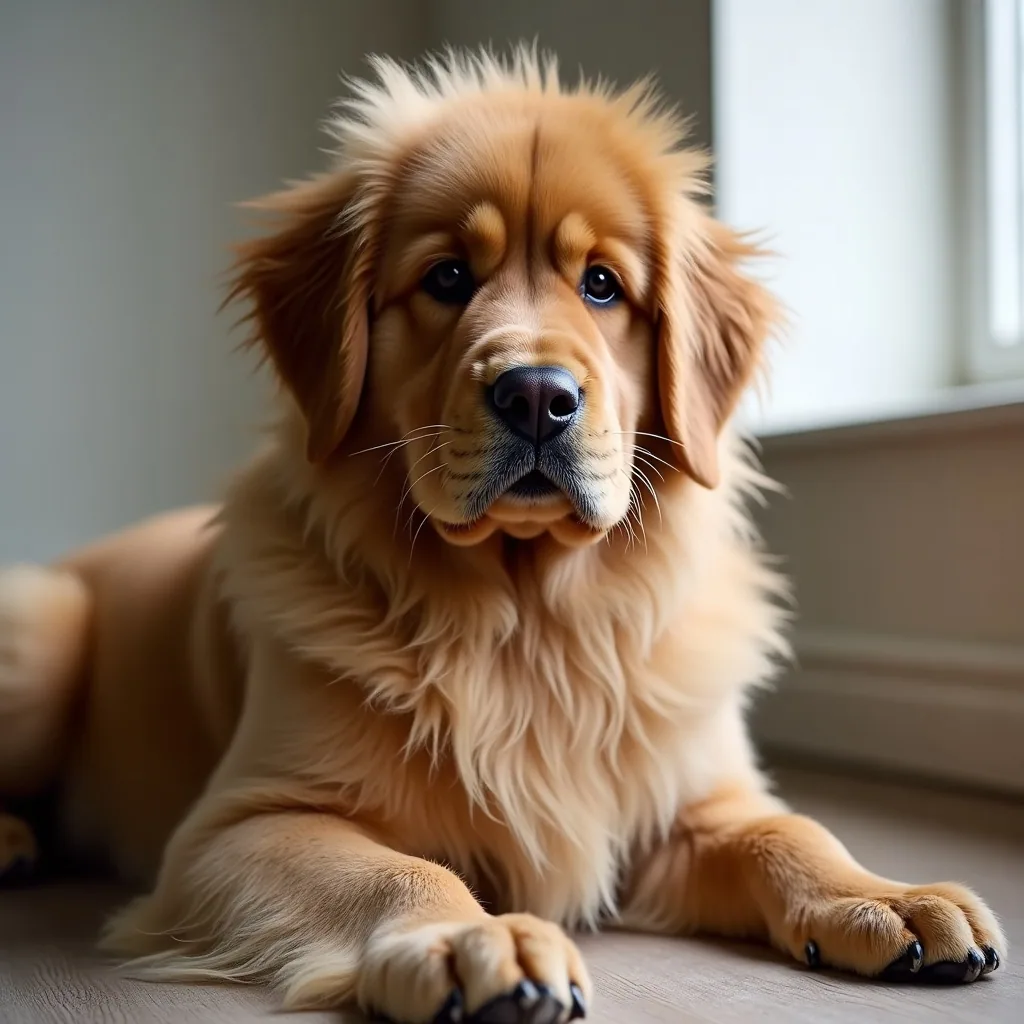
Newfoundland Grooming: Coat, Shedding & Heat Care
Newfoundlands have a heavy, water-resistant double coat that sheds year-round. A practical guide to brushing, moulting, drool, bathing and summer heat care.
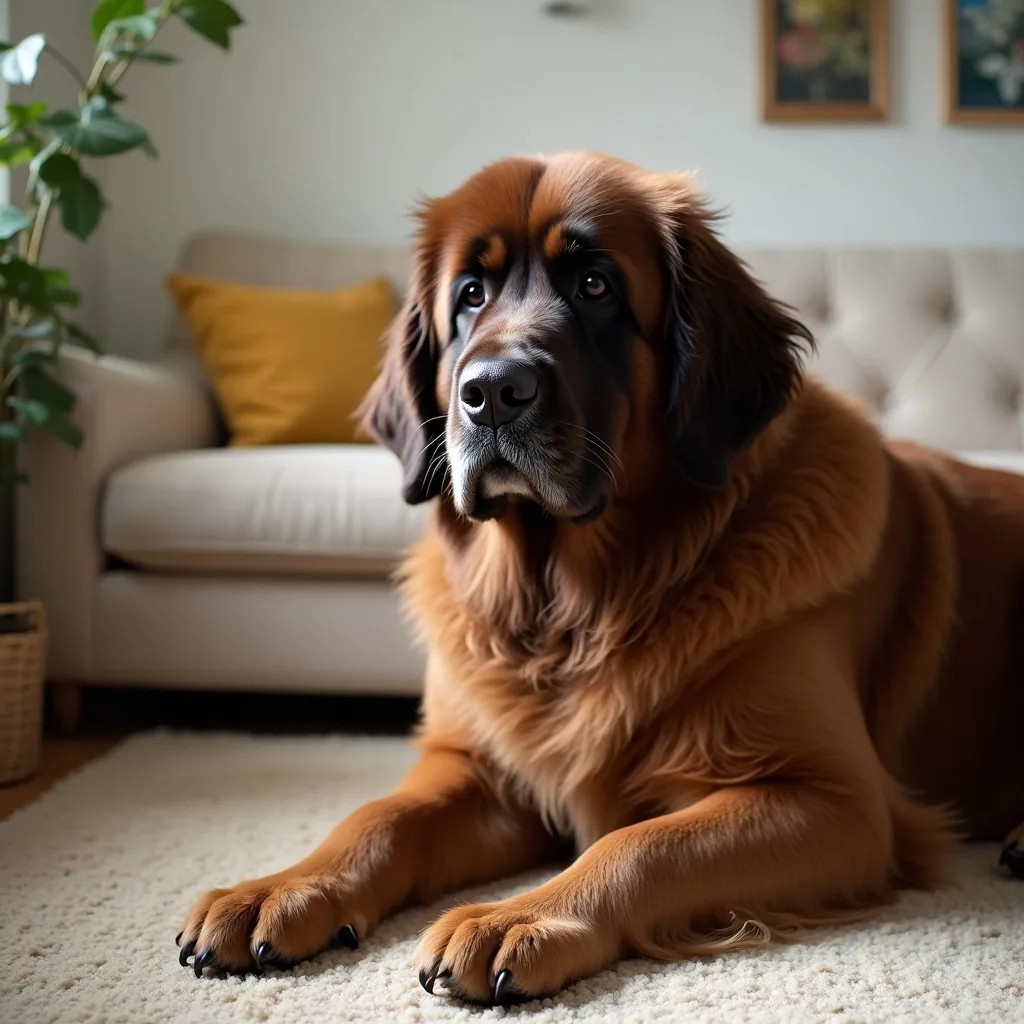
The Cost of Owning a Newfoundland in the UK
What a Newfoundland really costs in the UK — giant-breed food bills, higher vet and insurance premiums, grooming kit and the upfront and lifetime budget.

Best guard dog breeds for family protection
A balanced, UK-focused look at breeds known for protective instincts, and what training and socialisation they really need to be safe family dogs