
Are Miniature Schnauzers Good Family Dogs?
Miniature Schnauzers are lively, affectionate and trainable family dogs — alert little watchdogs that can be barky. Their temperament, and who they suit.
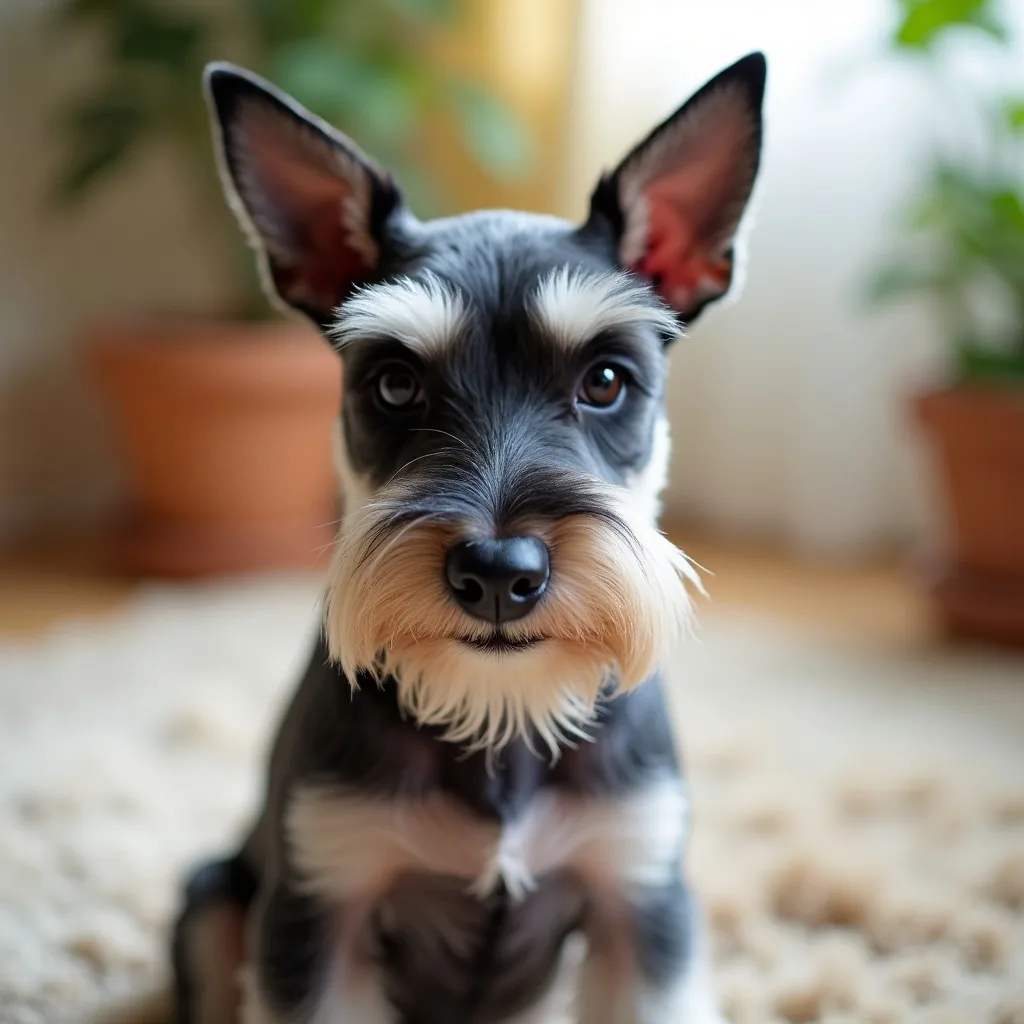
The quick answer
Yes — Miniature Schnauzers are lively, affectionate and people-loving, and generally make excellent family companions. They're bright and trainable, sturdy enough for sensible children, and devoted to their household. They do tend to bark and can be alert little watchdogs, so early training and socialisation help.
The Miniature Schnauzer is one of Britain's most popular small companion breeds, and for good reason — bright, devoted and full of personality. But that terrier-influenced character comes with a few quirks worth understanding before you bring one home. Here's an honest look at whether Miniature Schnauzers make good family dogs.
The short answer
Yes — Miniature Schnauzers generally make excellent family dogs. They're affectionate, people-loving and sturdy, they bond closely with their household, and they're small enough to suit most homes while being robust rather than fragile. As with any breed, a good fit depends on training, socialisation and matching the dog's needs to your lifestyle — but very few small breeds combine devotion, intelligence and sturdiness quite as well as the Miniature Schnauzer.
Temperament
Miniature Schnauzers are lively, confident and intelligent, with a dash of terrier spirit. They love being involved in family life and tend to be friendly and outgoing once they know you. They're alert and curious, quick to investigate anything new, and they thrive on company — this is not a breed that's happy left alone for long stretches, and dogs left alone too much can become anxious or vocal. Expect a busy, engaged little dog with plenty of character, a strong attachment to its people, and a knack for making you laugh. They tend to be brave well beyond their size, which is endearing but means sensible management around bigger dogs.
Are they good with children?
Generally, yes. Miniature Schnauzers are sturdy and playful, which suits family life, and dogs raised with children often get on well with them. As with any breed, interactions between dogs and young children should always be supervised, and children should be taught to handle the dog gently and to respect its space, especially around food, beds and rest. A dog that's given a quiet retreat — a comfortable bed away from the busiest part of the house — copes far better with a lively household.
The barking
It's worth being upfront about this: Miniature Schnauzers have a strong watchdog instinct and can be vocal. They're quick to announce visitors, post, passing dogs and unfamiliar noises. This makes them alert little guardians, but it can become a nuisance if not managed. Early training, plenty of mental stimulation, teaching a reliable 'quiet' cue and not accidentally rewarding the barking all help keep it in proportion. None of this makes them silent dogs, but it does keep the watchdog instinct useful rather than a nuisance. If you live somewhere with close neighbours, a flat or shared walls, factor this in honestly before choosing the breed.
Training and exercise
Miniature Schnauzers are clever and trainable, and they respond well to positive, reward-based methods. That intelligence cuts both ways — they get bored easily, and a bored Schnauzer can become barky or mischievous. They need daily exercise and, just as importantly, mental stimulation: training games, puzzle feeders and varied walks. Good early socialisation — calm exposure to people, dogs, places and sounds while young — helps them grow into confident, well-mannered adults.
Living with other pets
Many Miniature Schnauzers live happily alongside other dogs and even cats, particularly when raised together. Their terrier heritage can mean a strong prey drive towards small furries like hamsters or wild animals, so sensible supervision and secure housing for small pets is wise. Careful introductions and ongoing management make multi-pet households work well for most.
Who suits a Miniature Schnauzer?
They suit active families and individuals who want an affectionate, characterful companion and can offer company, daily exercise and mental engagement. They're a good choice for first-time owners willing to put in early training, and their low-shedding coat appeals to many — though that coat does need regular grooming. They're less suited to homes where the dog would be alone for long hours, or where barking would be a real problem.
The bottom line
For the right home, the Miniature Schnauzer is a wonderful family dog — loyal, fun, clever and small enough to fit busy lives, yet sturdy enough to join in. Go in understanding the barking, the grooming and the need for company and stimulation, and you'll have a devoted companion for many years.
*This is general guidance, not a substitute for advice from your vet, who can assess your individual dog.*
Sources
- RVC VetCompass — UK dog health and behaviour research (rvc.ac.uk/vetcompass).
- UK Kennel Club — breed temperament and ownership guidance (thekennelclub.org.uk).
- PDSA — dog behaviour and family suitability (pdsa.org.uk).
- Blue Cross — dogs and families (bluecross.org.uk).
Common questions
Are Miniature Schnauzers good family dogs?
Yes — Miniature Schnauzers are lively, affectionate and people-loving, and generally make excellent family companions. They're bright and trainable, sturdy enough for sensible children, and devoted to their household. They do tend to bark and can be alert little watchdogs, so early training and socialisation help. With supervision around small children, they suit most homes well.
Do Miniature Schnauzers bark a lot?
They can. Miniature Schnauzers have a terrier-like alertness and a strong watchdog instinct, so they're quick to announce visitors, noises and movement. It's manageable with early training, plenty of mental stimulation and not accidentally rewarding the barking, but prospective owners should know this is a vocal, switched-on breed rather than a quiet one.
Are Miniature Schnauzers good with children?
Generally, yes. They're sturdy, playful and affectionate, and dogs raised with children often get on well with them. As with any breed, interactions with young children should be supervised, and children taught to handle the dog gently and respect its space around food and rest. A quiet retreat helps the dog cope with a busy household.
About the author
Matt Garnett — founder, Giddy Pets
Matt started Giddy Pets to make getting pets the good stuff simpler and fairer. Everything in these guides comes from real life with pets and a lot of trial and error — it's practical guidance, not veterinary advice. If a guide gets something wrong, tell him directly.
Free tools & more guides
Read next
How Long Do Miniature Schnauzers Live? Lifespan & Health
Miniature Schnauzers live around 12–15 years. The pancreatitis, bladder, diabetes and eye issues this fat-sensitive breed faces, and how to help yours stay well.
Miniature Schnauzer Grooming Guide
How to groom a Miniature Schnauzer's wiry double coat — clipping vs hand-stripping, beard care, brushing and how often to book a professional groom.
Miniature Schnauzer Cost to Keep (UK)
What does a Miniature Schnauzer cost to keep in the UK? Purchase price, food, insurance, regular grooming and vet care — the realistic ongoing budget.
Best guard dog breeds for family protection
A balanced, UK-focused look at breeds known for protective instincts, and what training and socialisation they really need to be safe family dogs