
Are Goldendoodles Good Family Dogs? Temperament Guide
Goldendoodles are friendly, trainable and sociable family dogs. Their temperament, size variation and what they need to thrive at home, explained honestly.

The quick answer
Yes — Goldendoodles are one of the most popular family dogs in the UK for good reason. They're friendly, sociable, affectionate and highly trainable, generally getting on well with children and other pets when properly socialised.
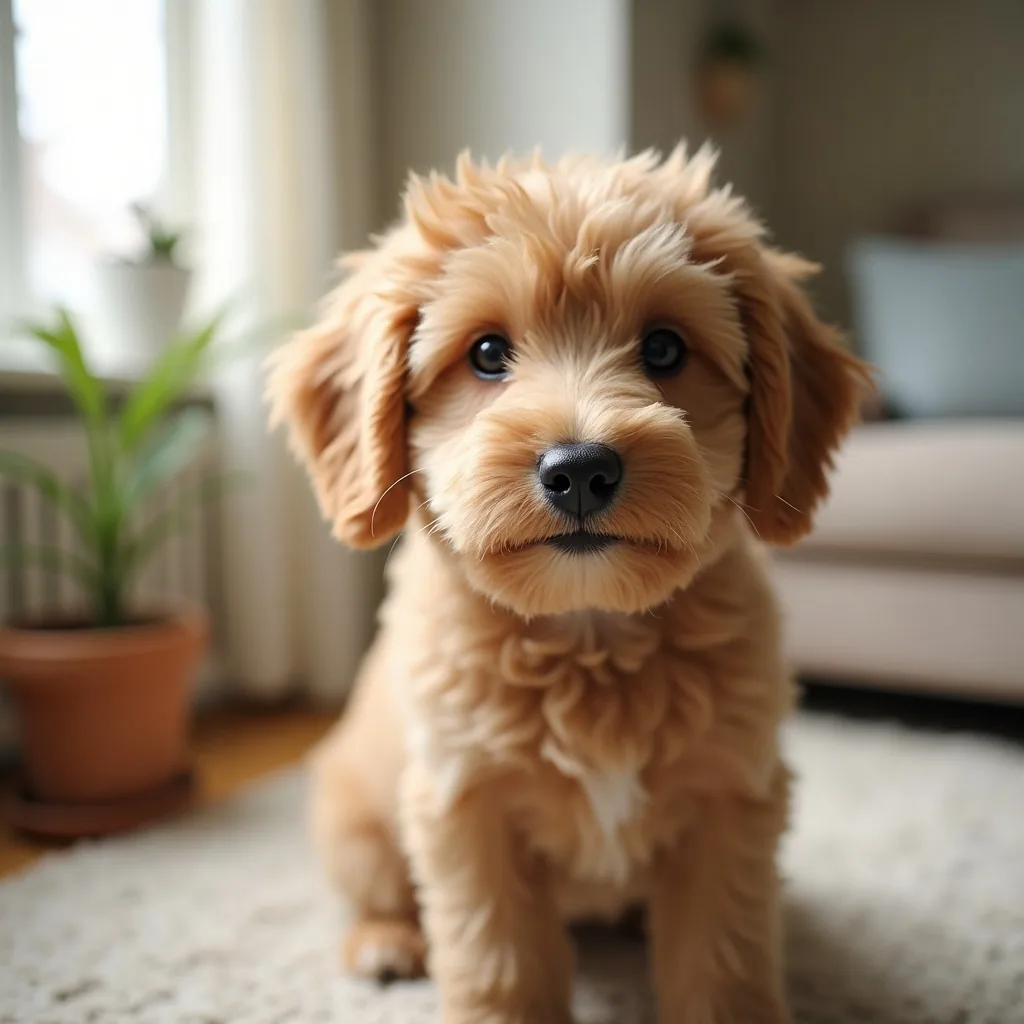
The Goldendoodle — a deliberate cross between a Golden Retriever and a Poodle — has become one of the UK's most popular companion dogs. It's easy to see why: they combine the friendly, people-loving nature of the Golden Retriever with the brains and trainability of the Poodle. But because they're a crossbreed rather than a standardised pedigree, no two are identical, and the breed isn't for everyone. Here's an honest look at what Goldendoodles are like to live with and whether one really suits your family.
What is a Goldendoodle?
A Goldendoodle is not a Kennel Club–recognised breed — it's a crossbreed, created by mating a Golden Retriever with a Poodle. Because of that, traits such as size, coat and temperament can vary considerably from dog to dog, even within the same litter. There's no breed standard guaranteeing what you'll get, so knowing both parents, and meeting them where possible, tells you far more than the label "Goldendoodle" alone.
Temperament
Goldendoodles are typically friendly, affectionate and sociable. They tend to love people, thrive on company and form strong bonds with their family. Both parent breeds are clever and eager to please, so Goldendoodles are usually highly trainable and respond brilliantly to reward-based training, learning new cues quickly and enjoying the process. This combination of warmth and intelligence is exactly why they're so popular with families and first-time owners alike.
They're generally good with children and other pets when raised and socialised properly, being playful and patient by nature. Early, positive socialisation — introducing your puppy calmly to lots of people, dogs, places and everyday sights and sounds — sets the foundation for a confident adult. As with any dog, interactions with young children should always be supervised, and children taught to be gentle and give the dog space.
Size varies
One thing that surprises new owners is how much size varies, depending mainly on the Poodle parent:
- Miniature — roughly 35–45cm tall and around 7–14kg.
- Medium — roughly 45–55cm and around 14–25kg.
- Standard — roughly 55–65cm and 25–35kg or more.
Because size isn't fixed in a crossbreed, puppies in a single litter can grow to different sizes. If you have your heart set on a particular size, ask the breeder detailed questions about both parents — though some variation is always possible, and no breeder can promise an exact adult size.
Exercise and stimulation
Goldendoodles are an active, intelligent dog. Most need a good amount of daily exercise — typically a couple of decent walks plus play and training — and just as importantly, mental stimulation. A bored Goldendoodle can become noisy, destructive or anxious. Puzzle toys, training games, scent work and varied walks all help keep their busy minds satisfied. Exercise needs scale with size: a standard will want more than a mini, but every Goldendoodle benefits from having a job to do.
Company and separation
Because they're so people-oriented, Goldendoodles generally don't cope well with being left alone for long periods. They can be prone to separation-related behaviour if left too much, so they suit households where someone is home most of the day, or where doggy day care or a dog walker can break up the day. If your home is empty for long stretches, this may not be the right breed for you.
Who suits a Goldendoodle?
Goldendoodles suit active families and individuals who are home a lot, enjoy training and exercise, and can commit to regular grooming (their coats need plenty of upkeep). Their friendliness and trainability make them forgiving of first-time owners, but they're not a low-maintenance, leave-them-to-it kind of dog. Done right, they're affectionate, fun and devoted companions.
A note on the "designer dog" label
Goldendoodles are often marketed as "hypoallergenic" or "non-shedding". These are myths — no dog is truly hypoallergenic, and shedding varies by individual. Choose a breeder for their health-testing and the welfare of their dogs, not for marketing promises. A responsible breeder will health-test both the Golden Retriever and the Poodle parent and be honest about what you can and can't predict in a crossbreed.
When to see your vet
Speak to your vet if your Goldendoodle shows signs of anxiety when left, persistent ear problems, eye changes, stiffness, or any sudden change in behaviour or appetite. For a sociable, sensitive breed, early help with separation issues and prompt attention to the ears (which are prone to infection) make a real difference to quality of life.
*This is general guidance, not a substitute for advice from your vet, who can assess your individual dog.*
Sources
- RVC VetCompass — UK dog health and longevity research (rvc.ac.uk/vetcompass).
- UK Kennel Club & BVA — breed health and hip/elbow/eye screening schemes (thekennelclub.org.uk).
- PDSA — dog health and breed care (pdsa.org.uk).
- Blue Cross — dog health (bluecross.org.uk).
Common questions
Are Goldendoodles good family dogs?
Yes — Goldendoodles are one of the most popular family dogs in the UK for good reason. They're friendly, sociable, affectionate and highly trainable, generally getting on well with children and other pets when properly socialised. They do need plenty of company, exercise and mental stimulation, and can struggle if left alone for long periods, so they suit busy, active households that are home a lot.
How big do Goldendoodles get?
Size varies depending on the Poodle parent. Miniature Goldendoodles usually stand around 35–45cm and weigh roughly 7–14kg; medium ones around 45–55cm and 14–25kg; and standards around 55–65cm and 25–35kg or more. Because size isn't fixed in a crossbreed, ask the breeder about both parents and expect some variation between puppies in a litter.
Are Goldendoodles easy to train?
Generally yes. Both parent breeds — the Golden Retriever and the Poodle — are intelligent and eager to please, so Goldendoodles tend to be quick learners that respond well to reward-based training. They're sociable and motivated, which makes early socialisation and consistent, positive training rewarding. They do need mental stimulation and can become bored or noisy if under-exercised or left alone too much.
About the author
Matt Garnett — founder, Giddy Pets
Matt started Giddy Pets to make getting pets the good stuff simpler and fairer. Everything in these guides comes from real life with pets and a lot of trial and error — it's practical guidance, not veterinary advice. If a guide gets something wrong, tell him directly.
Free tools & more guides
Read next
Goldendoodle Health Problems & What Varies
Goldendoodles can inherit issues from either parent: hips, eyes, ears, heart and bloat. The health tests that matter — and the truth about "hypoallergenic".

Goldendoodle Grooming & Coat Care Guide
Goldendoodle coats range from wavy to curly and need regular professional grooming plus home brushing to prevent matting. How to keep your dog's coat healthy.

How Much Does a Goldendoodle Cost in the UK?
Goldendoodle puppies are pricey, and grooming and vet care add up. A realistic look at the upfront and ongoing cost of owning a Goldendoodle in the UK.

Rhodesian Ridgeback Temperament & Training: A Family Guide
Loyal, independent and strong-willed, the Rhodesian Ridgeback needs consistent, kind training and early socialisation. What this hound is like to live with.