
Are Dobermanns Good Family Dogs? Temperament & Training
Dobermanns are loyal, intelligent and protective — great family dogs in the right home. Their temperament, training and UK legal status explained.
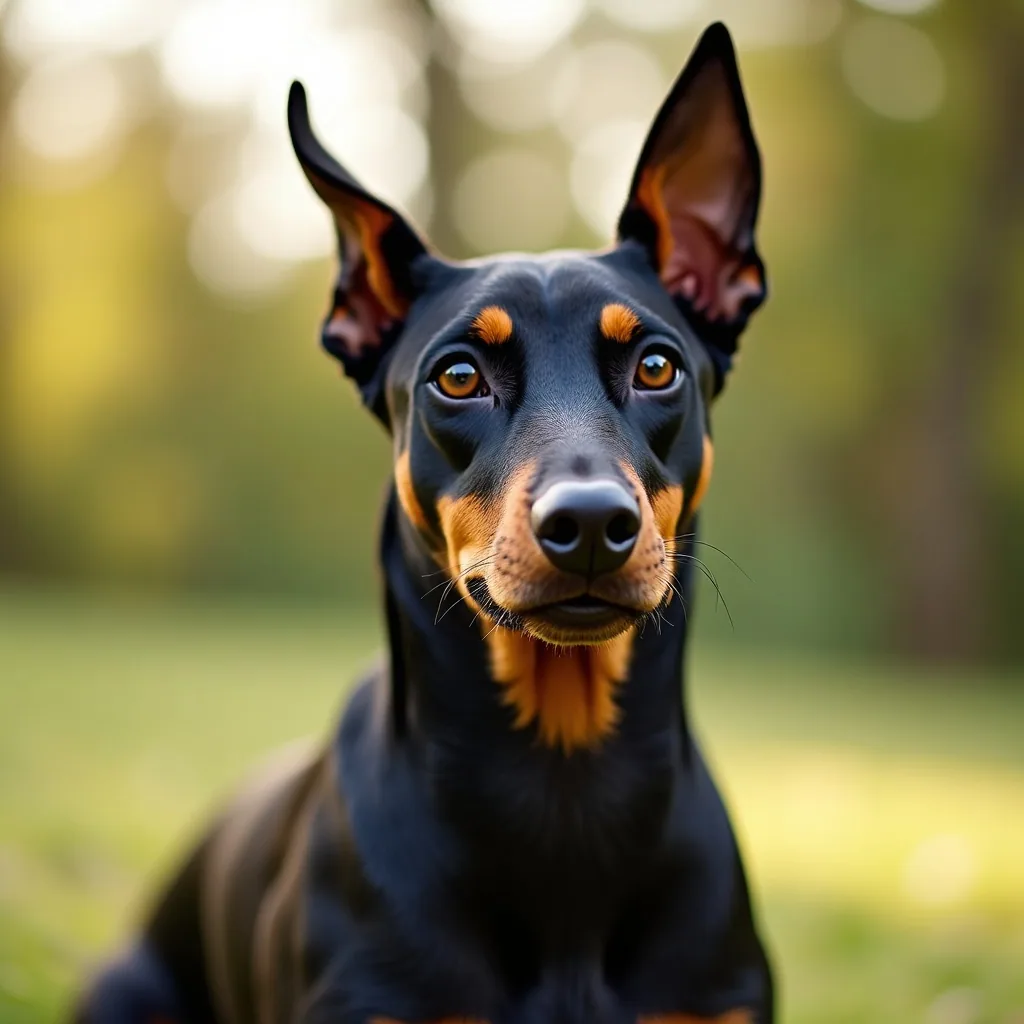
The quick answer
Yes — in the right home a Dobermann can be an affectionate, loyal and people-focused family dog that bonds closely and loves to be involved. They are intelligent, sensitive and protective, so they need early socialisation, positive training and an experienced owner who can give them structure.
The Dobermann's reputation as a sharp-edged guard dog does the breed a disservice. A well-bred, well-raised Dobermann is affectionate, sensitive and deeply bonded to its people — but it's also powerful, clever and protective, which is why it suits an experienced, committed home. Here's what Dobermanns are really like, how to train them, and where they stand legally in the UK.
What is a Dobermann's temperament like?
Dobermanns are loyal, intelligent and people-focused. They form intense bonds with their family and genuinely want to be involved in everything — often described as 'velcro' dogs that follow their owners from room to room. They're alert and naturally protective, with a strong watchdog instinct, but a good Dobermann is confident and even-tempered rather than nervous or indiscriminately aggressive.
They are also sensitive and highly trainable, which cuts both ways: they respond beautifully to fair, consistent handling, but they can become anxious or unruly with harsh treatment or no structure. This is a thinking breed that needs a job, boundaries and a strong relationship with its owner.
Are Dobermanns good family dogs?
In the right home, yes — Dobermanns can be excellent family dogs. Raised with children and properly socialised, many are gentle, patient and devoted companions who love being part of family life. Their size, strength and exuberance mean interactions with young children should always be supervised, and children should be taught to treat the dog calmly and respectfully.
This isn't a breed for everyone, though. Dobermanns suit active, experienced owners who can commit to training, exercise and companionship. They're not a good fit for first-time owners wanting a low-input dog, nor for homes where the dog will be left alone for long stretches — they can struggle with isolation and boredom.
Socialisation and training
Early, thorough socialisation is essential. Introduce your Dobermann puppy calmly and positively to a wide range of people, dogs, places, sounds and experiences so they grow into a confident, well-adjusted adult. A protective breed that's been well socialised learns to read situations sensibly rather than reacting to everything.
Use positive, reward-based training from day one. Dobermanns are quick learners who thrive on mental challenge, so keep sessions short, varied and rewarding. Good early lead manners matter given their eventual strength — a well-fitted harness and consistent loose-lead training pay off. Channel their intelligence with obedience, scentwork or trick training, and provide plenty of toys to keep their busy minds occupied.
Are Dobermanns banned or restricted in the UK?
No. The Dobermann is not a banned or restricted breed in the UK and is entirely legal to own. It is not on the list of dogs prohibited under the Dangerous Dogs Act. As with any dog, owners are responsible for ensuring their Dobermann is under control and well behaved in public.
One legal point does apply specifically to the breed's appearance: ear cropping is illegal in the UK under the Animal Welfare Act. UK Dobermanns therefore have their natural, floppy ears — the erect, pointed ears sometimes seen in photos come from countries where cropping is still permitted and are not how a UK Dobermann should look. Buying a cropped dog or having the procedure done here is against the law.
Living with a Dobermann
A Dobermann that's exercised, trained and included in family life is a calm, affectionate and rewarding companion. Problems — anxiety, destructiveness, over-guarding — almost always trace back to too little exercise, too little mental work, or too little structure. Give a Dobermann a job, fair leadership and plenty of company, and you'll see the best of a genuinely brilliant breed.
This is also a breed that does best as a true part of the household rather than a dog kept at arm's length. Dobermanns are emotionally invested in their people and can find long periods of isolation genuinely distressing, which can show up as destructive behaviour or anxiety. If you work long hours away from home, think carefully about how the dog's day will be filled. With company, routine and clear, kind boundaries, a Dobermann settles into a devoted and surprisingly gentle family member.
When to ask for help
If you see guarding behaviour, reactivity towards people or dogs, or signs of anxiety, seek help early from your vet and an accredited, reward-based behaviourist. Because Dobermanns are powerful and clever, addressing concerns promptly — rather than waiting — gives the best outcome for the dog and everyone around it.
*This is general guidance, not a substitute for advice from your vet, who can assess your individual dog.*
Sources
- RVC VetCompass — UK dog health and behaviour research (rvc.ac.uk/vetcompass).
- UK Kennel Club & BVA — breed standards, temperament and welfare (thekennelclub.org.uk).
- PDSA — dog behaviour and breed care (pdsa.org.uk).
- Blue Cross — dog behaviour and training (bluecross.org.uk).
Common questions
Are Dobermanns good family dogs?
Yes — in the right home a Dobermann can be an affectionate, loyal and people-focused family dog that bonds closely and loves to be involved. They are intelligent, sensitive and protective, so they need early socialisation, positive training and an experienced owner who can give them structure. They suit active families rather than first-time owners or homes wanting a low-input dog.
Are Dobermanns banned in the UK?
No — the Dobermann is not a banned or restricted breed in the UK and is fully legal to own. Cropping a Dobermann's ears, however, is illegal here under the Animal Welfare Act, so UK Dobermanns have their natural floppy ears. The breed suits an experienced, committed home but faces no legal barrier to ownership.
Do Dobermanns have their ears cropped?
Not in the UK. Ear cropping is illegal under the Animal Welfare Act, so Dobermanns bred and kept here have their natural, softly folded floppy ears. Cropped images you see are usually from countries where the practice is still allowed. A UK Dobermann's ears are meant to be floppy, and that is entirely normal.
About the author
Matt Garnett — founder, Giddy Pets
Matt started Giddy Pets to make getting pets the good stuff simpler and fairer. Everything in these guides comes from real life with pets and a lot of trial and error — it's practical guidance, not veterinary advice. If a guide gets something wrong, tell him directly.
Free tools & more guides
Read next
How Long Do Dobermanns Live? Lifespan & Health
Dobermanns live around 10–13 years. The heart, bleeding, spinal and thyroid issues this breed is prone to — DCM above all — and how to help yours stay well.
How Much Exercise Does a Dobermann Need?
Dobermanns are athletic working dogs needing around two hours of exercise a day plus real mental stimulation. How to meet a Dobermann's needs and avoid boredom.
How Much Does a Dobermann Cost to Keep in the UK?
What a Dobermann really costs in the UK — purchase price, food, insurance and vet care — plus the heart-screening costs that are unique to this breed.
Are Alaskan Malamutes Good Family Dogs? Temperament & Training
Alaskan Malamutes are loyal but independent, strong-willed and high-prey-drive. Their temperament, training needs and why they're not for first-timers.