
Are Chihuahuas Good Family Pets?
Chihuahuas can be devoted family companions, but their tiny size makes them fragile. How they do with children, other pets, and what gentle handling they need.
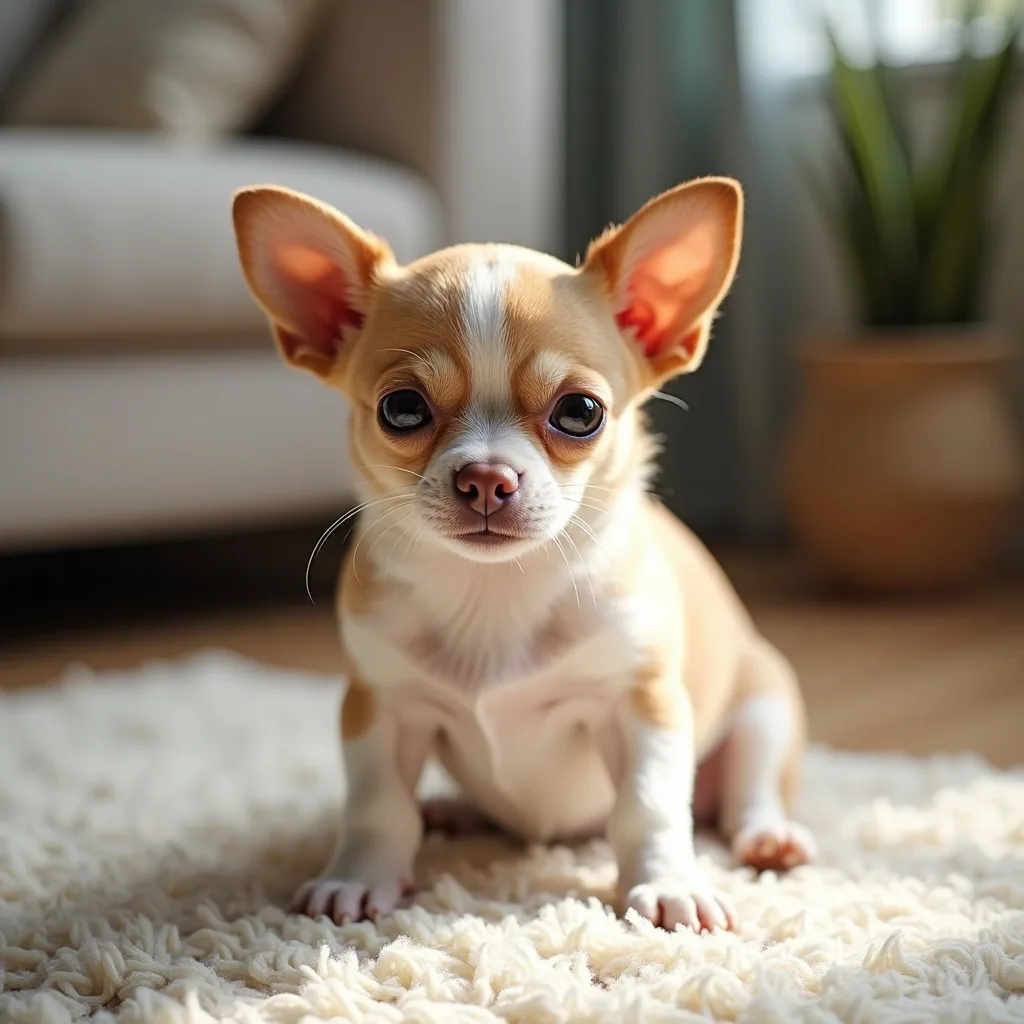
The quick answer
Chihuahuas can be, but their tiny size makes them fragile, so they generally suit homes with older, gentle children rather than boisterous toddlers. A fall or rough handling can cause real injury. Always supervise interactions, teach children to sit on the floor to hold the dog, and give it a safe retreat it can choose.
Chihuahuas pack an enormous personality into a tiny body — loyal, alert and full of confidence. They can make wonderful family companions, but their size and temperament mean they aren't the right fit for every home. Here's an honest look at whether a Chihuahua suits family life, how they do with children and other pets, and how to bring out the best in them.
Temperament: big character, small frame
Chihuahuas are bright, devoted and often bond very closely with one or two people. Well-socialised, they're affectionate, playful and surprisingly bold — they genuinely don't seem to know how small they are. Without enough early socialisation, that boldness can tip into wariness or snappiness when they feel cornered or frightened, which is a small dog's natural defence rather than 'bad temperament'. Much of a Chihuahua's behaviour comes down to how they're raised, socialised and handled, not just their breeding, which is good news: thoughtful owners have a lot of influence over how their dog turns out.
Are Chihuahuas good with children?
This is the most important question for families. Chihuahuas are physically fragile — a fall, a squeeze or a knock from an excited toddler can cause serious injury. For that reason they generally suit homes with older, gentle children who understand how to handle a small dog calmly, rather than households with very young toddlers.
Where children and Chihuahuas do share a home, a few rules help everyone:
- Always supervise interactions between young children and the dog.
- Teach children to sit on the floor to hold the dog, never to pick it up and carry it around.
- Give the dog a safe retreat — a bed or crate the children leave alone — so it can opt out.
- Watch for the dog's signals; a Chihuahua that growls or backs away is asking for space, not being 'naughty'.
Small-dog handling
A common pitfall with Chihuahuas is being carried everywhere and 'babied'. This deprives them of normal canine experiences and can foster anxiety, over-attachment and snappy, reactive behaviour. Let your Chihuahua walk, sniff, meet other dogs sensibly and behave like a dog — it's one of the kindest things you can do for the breed. Use a well-fitted harness rather than a collar to protect the delicate windpipe, and lift them gently with both hands, supporting the chest and back end. Teach everyone in the household, including visitors, to do the same.
Chihuahuas with other pets
Many Chihuahuas live happily with other dogs and cats, especially when raised together. They can be feisty and may not realise their own size, so introductions to larger dogs need care — a boisterous big dog can injure a Chihuahua accidentally. Calm, supervised introductions and not leaving them unsupervised with much larger dogs are sensible precautions.
Do Chihuahuas suit your household?
Chihuahuas often suit:
- Flats and smaller homes — their exercise needs are modest.
- Owners at home a fair amount, as they thrive on company.
- Calmer households, or families with older, gentle children.
- People keen to socialise and train kindly, rather than carry the dog everywhere.
They're less ideal for homes with very young, boisterous toddlers, or for anyone wanting a robust dog for rough-and-tumble play.
Socialisation and training
Start socialisation early and keep it positive: gentle handling, new people, sounds, surfaces, other calm dogs and everyday experiences during puppyhood. Reward-based training works well — Chihuahuas are clever and respond to kindness, but can dig their heels in if handled harshly, and harsh methods tend to make a small, defensive dog more reactive, not less. Consistent, gentle boundaries (such as not jumping from high furniture, and learning to settle calmly) protect both their behaviour and their delicate joints. House-training can take patience with toy breeds, so keep it positive and consistent.
The bottom line
A well-socialised, sensibly handled Chihuahua can be a delightful, devoted family pet — particularly in calmer homes or those with older children. Their fragility is the key thing to plan around. Treat them like a real dog rather than an accessory, protect them from injury, and you'll have a loyal companion for many years.
*This is general guidance, not a substitute for advice from your vet, who can assess your individual dog.*
Sources
- RVC VetCompass — UK dog health and behaviour research (rvc.ac.uk/vetcompass).
- UK Kennel Club & BVA — breed information and health schemes (thekennelclub.org.uk).
- PDSA — dog behaviour and family-pet advice (pdsa.org.uk).
- Blue Cross — dogs and children, and behaviour advice (bluecross.org.uk).
Common questions
Are Chihuahuas good with children?
Chihuahuas can be, but their tiny size makes them fragile, so they generally suit homes with older, gentle children rather than boisterous toddlers. A fall or rough handling can cause real injury. Always supervise interactions, teach children to sit on the floor to hold the dog, and give it a safe retreat it can choose.
Are Chihuahuas aggressive?
Aggression isn't an inevitable breed trait, but poorly socialised or 'babied' Chihuahuas can be wary and snappy when frightened — a small dog's natural defence. Early socialisation, gentle consistent handling, and letting them behave like a normal dog rather than carrying them everywhere bring out a confident, friendly temperament.
Do Chihuahuas get on with other dogs?
Many do, especially when raised together, but they can be feisty and don't always realise their own size. Introductions to larger dogs need particular care, as a boisterous big dog can injure a Chihuahua by accident. Calm, supervised introductions and not leaving them alone with much larger dogs are sensible.
About the author
Matt Garnett — founder, Giddy Pets
Matt started Giddy Pets to make getting pets the good stuff simpler and fairer. Everything in these guides comes from real life with pets and a lot of trial and error — it's practical guidance, not veterinary advice. If a guide gets something wrong, tell him directly.
Free tools & more guides
Read next
How Long Do Chihuahuas Live? Lifespan & Health
Chihuahuas live around 12–16 years. The dental, knee, heart and windpipe issues this tiny breed is prone to — and how to help yours stay well into old age.
Chihuahua Care & Grooming Guide
Caring for a Chihuahua: smooth vs long coat grooming, daily dental care, keeping them warm, exercise and the handling this tiny breed needs to thrive.
Chihuahua Cost to Keep in the UK
What a Chihuahua really costs in the UK — purchase price, monthly food, insurance, dental and vet care, plus the lifetime cost of this long-lived little breed.
Best guard dog breeds for family protection
A balanced, UK-focused look at breeds known for protective instincts, and what training and socialisation they really need to be safe family dogs