
Are Bull Terriers Good Family Dogs? Temperament & Training
Bull Terriers are playful, clownish and devoted — and fully legal in the UK. Their temperament, why they're not banned, and how to train and socialise one.
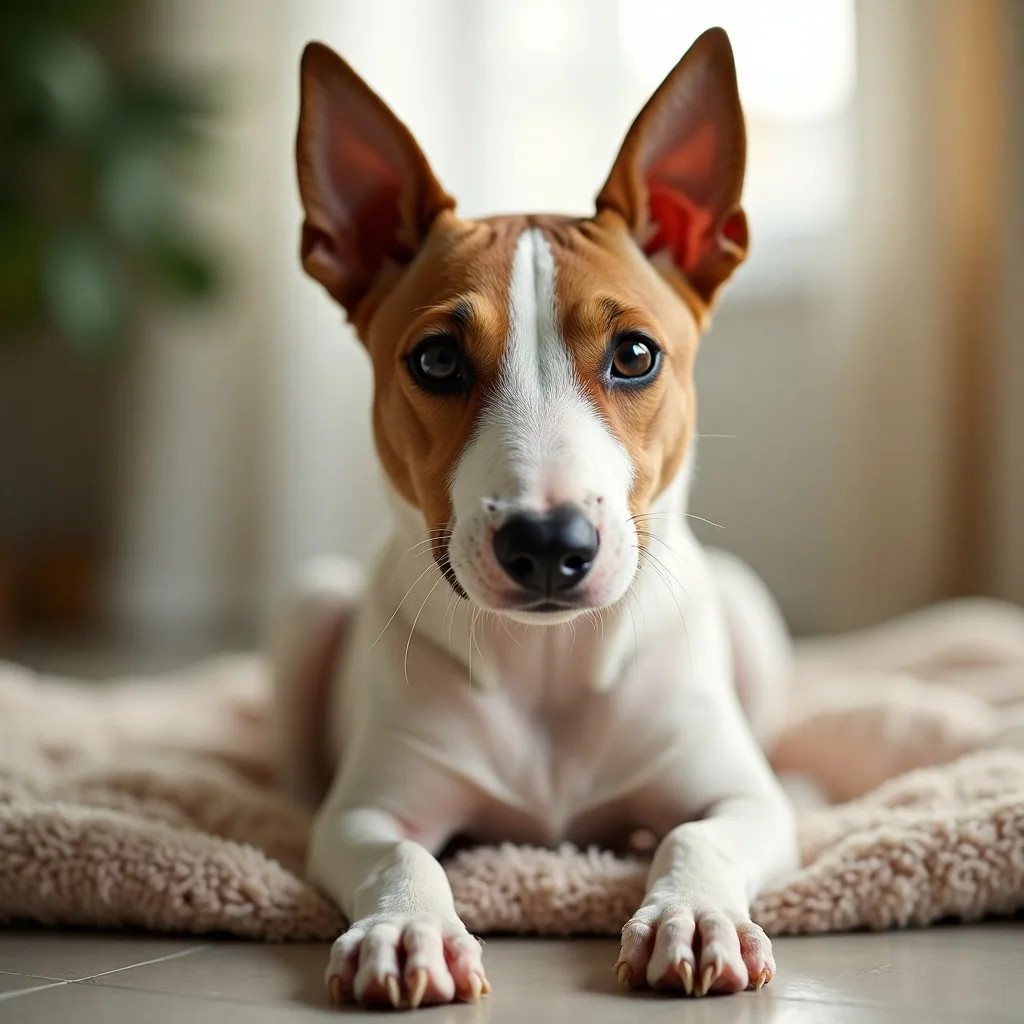
The quick answer
No. The English Bull Terrier and the Miniature Bull Terrier are fully legal, Kennel Club-recognised pedigree breeds in the UK. They are often confused with the Pit Bull Terrier, which is banned under the Dangerous Dogs Act — but they are a completely different breed.
Few dogs have a bigger personality than the Bull Terrier. Behind that famous egg-shaped head is a comical, affectionate and intensely people-loving dog — but also a strong, strong-willed one that needs sensible training and socialisation. Here's what Bull Terriers are really like as family dogs, the all-important legal clarity, and how to bring out the best in one.
A legal, recognised breed — not a banned dog
First, the most important thing to be clear about: the English Bull Terrier and the Miniature Bull Terrier are fully legal, Kennel Club-recognised pedigree breeds in the UK. They are regularly — and unfairly — confused with the Pit Bull Terrier, which is banned under the Dangerous Dogs Act. The two are entirely different breeds. Owning a Bull Terrier is perfectly legal, and a well-bred, well-socialised one is typically a friendly, goofy family companion rather than the fearsome dog its reputation sometimes suggests.
What Bull Terriers are like to live with
Bull Terriers are often described as the clowns of the dog world — playful, mischievous and endlessly entertaining. They form deep bonds with their families, love to be involved in everything, and have a real comic streak that owners adore. They're also muscular, energetic and strong-willed, with a stubborn side that means they'll happily test boundaries if you let them. They thrive on company and do not do well left alone for long stretches; a lonely, under-stimulated Bull Terrier can become bored, destructive or develop compulsive habits.
Are they good with children?
A well-socialised Bull Terrier raised with children can be a wonderful, affectionate family dog. The caveats are practical ones: they're strong and boisterous, so they can knock over a toddler in sheer enthusiasm, and play needs supervising. As with any breed, never leave a dog unsupervised with young children, teach children to respect the dog's space, and give the dog a quiet retreat. Their loyalty and love of people are genuine strengths in a family home.
Other dogs and pets
Many Bull Terriers are sociable, but some can be intolerant of other dogs, particularly of the same sex, and the breed's terrier heritage means a strong prey drive towards small animals in some individuals. Early, thorough socialisation makes a big difference, as does sensible management around unfamiliar dogs and small pets. If you already have other animals, introduce slowly and supervise carefully.
Training a strong-willed dog
Bull Terriers are intelligent and capable, but their stubborn, independent streak means training takes patience and consistency. Use reward-based, positive methods — they respond far better to fun, food and praise than to heavy-handedness — and keep sessions short, varied and upbeat to hold their attention. Because they're strong dogs, teaching solid lead manners and reliable recall early is well worth the effort; a well-fitted harness helps you walk a powerful dog comfortably while you build those skills.
Socialisation is essential
Given the breed's strength and the unfair assumptions some people make about it, early and ongoing socialisation is one of the best things you can do. Introduce your puppy calmly and positively to a wide range of people, dogs, environments, sounds and experiences during their critical early weeks and keep it up into adulthood. A confident, well-socialised Bull Terrier is a relaxed, friendly ambassador for a much-misunderstood breed.
Mental stimulation matters
This is a clever, busy-minded dog that needs a job. Alongside physical exercise, give plenty of mental enrichment — training games, scent work, puzzle toys and chew toys. Bull Terriers that are bored are far more likely to develop nuisance behaviours or compulsive habits like tail-chasing, so an enriched routine pays off in calm, contented behaviour.
Are Bull Terriers right for you?
A Bull Terrier suits an active, engaged household that enjoys training, won't leave the dog alone for long, and appreciates a big, comical personality. They're not the easiest first dog because of their strength and stubbornness, but with commitment they're devoted, fun and hugely rewarding companions.
*This is general guidance, not a substitute for advice from your vet or a qualified behaviourist, who can assess your individual dog.*
Sources
- RVC VetCompass — UK dog health and behaviour research (rvc.ac.uk/vetcompass).
- UK Kennel Club & BVA — breed standards, temperament and the law (thekennelclub.org.uk).
- PDSA — dog behaviour and breed care (pdsa.org.uk).
- Blue Cross — dog behaviour and training (bluecross.org.uk).
Common questions
Are Bull Terriers a banned breed in the UK?
No. The English Bull Terrier and the Miniature Bull Terrier are fully legal, Kennel Club-recognised pedigree breeds in the UK. They are often confused with the Pit Bull Terrier, which is banned under the Dangerous Dogs Act — but they are a completely different breed. Owning a Bull Terrier is perfectly legal.
Are Bull Terriers good with children?
A well-socialised Bull Terrier raised with children can be a wonderful, affectionate family dog. They're strong and boisterous, though, so supervise play, teach children to respect the dog's space, and never leave any dog unsupervised with young children. Their loyalty and love of people are real strengths in a family home.
Are Bull Terriers hard to train?
Bull Terriers are intelligent but stubborn and strong-willed, so training takes patience and consistency. Reward-based, positive methods work far better than heavy-handedness — keep sessions short, fun and varied. Teaching solid lead manners and recall early is well worth the effort with such a strong dog, and early socialisation is essential.
About the author
Matt Garnett — founder, Giddy Pets
Matt started Giddy Pets to make getting pets the good stuff simpler and fairer. Everything in these guides comes from real life with pets and a lot of trial and error — it's practical guidance, not veterinary advice. If a guide gets something wrong, tell him directly.
Free tools & more guides
Read next
How Long Do English Bull Terriers Live? Lifespan & Health
Bull Terriers live around 11–13 years. The kidney, heart, hearing and skin issues this muscular, egg-headed breed is prone to, and how to help yours stay well.
Bull Terrier Exercise & Enrichment Needs
Muscular and energetic, Bull Terriers need at least an hour of daily exercise plus real mental enrichment. How much, what kind, and why a busy mind matters.

How Much Does a Bull Terrier Cost to Keep in the UK?
From puppy price to food, insurance and vet care, here's a realistic look at the lifetime cost of keeping a Bull Terrier in the UK — and where the money goes.
Are Scottish Terriers Good Family Dogs? Temperament & Fit
Scotties are bold, dignified and loyal, but independent and strong-willed. How the breed's temperament fits family life, and the socialisation it needs.