
Alaskan Malamute Exercise & Grooming Needs
Alaskan Malamutes need lots of exercise and serious grooming for their thick double coat, plus careful heat care. A full guide to this Arctic breed.
The quick answer
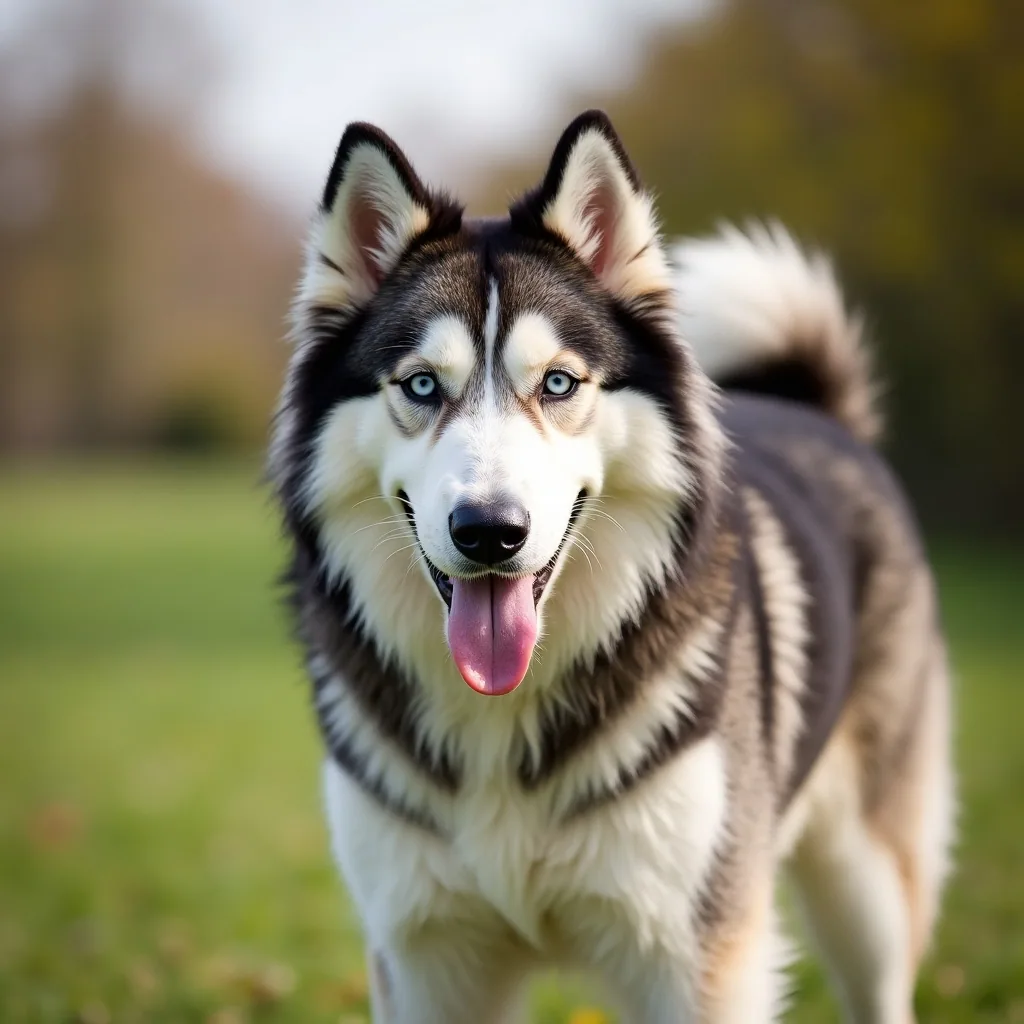
Malamutes are high-energy working dogs that generally need around a couple of hours of exercise a day for a fit adult, including some vigorous activity such as long walks, hikes or pulling sports like canicross. They also need mental stimulation. Build exercise up gradually with puppies to protect growing joints, and a bored Malamute will quickly become destructive.
The Alaskan Malamute was built to work — hauling heavy loads across the Arctic for hours on end, insulated by one of the densest coats in the dog world. Those origins shape everything about their care today. Here's what owning a Malamute really demands when it comes to exercise, grooming and coping with the British climate.
How much exercise does an Alaskan Malamute need?
Malamutes are high-energy working dogs and need plenty of exercise — generally a couple of hours a day for a fit adult, ideally including some vigorous activity. Long walks, hikes, and dog-appropriate pulling sports such as canicross or scootering (which channel their natural urge to haul) all suit the breed well. A bored, under-exercised Malamute will dig, howl, escape and become destructive, so meeting these needs isn't optional.
A few important points:
- Build up gradually with young dogs. Like all large breeds, Malamute puppies have growing joints. Avoid forced exercise, long runs and repetitive jumping until they're fully grown, to protect developing hips.
- Mental exercise matters too. This is a clever, problem-solving breed. Puzzle toys, scentwork and training games tire the mind as walks tire the body.
- A secure [harness](/no-pull-dog-harnesses) suits their strength and pulling instinct better than a collar for everyday walks.
- Watch recall. Their prey drive means many Malamutes can't be trusted off-lead near livestock, wildlife or roads.
The Malamute coat: a serious grooming commitment
Malamutes have a thick double coat — a coarse, weatherproof outer coat over a dense, woolly undercoat that insulated them against Arctic cold. It's magnificent, and it sheds. A lot.
Day to day, expect to brush at least a couple of times a week with a suitable grooming brush and an undercoat tool to remove dead hair, prevent matting (especially behind the ears, under the legs and around the trousers) and keep the skin healthy. Regular grooming also gives you a chance to check for lumps, parasites or skin problems.
'Blowing coat': the big seasonal moult
Twice a year, usually spring and autumn, Malamutes 'blow' their coat — shedding the dense undercoat in dramatic clumps over a few weeks. During these moults you'll need to brush daily to keep on top of the loose hair, and you'll be amazed how much comes out. A deshedding session leaves bin-bags of fur, and you'll find it on every surface in the house. It's part of the deal with this breed, and no amount of brushing eliminates it entirely.
Never shave a Malamute
It's tempting to think clipping the coat would help in summer, but you should never shave a Malamute. The double coat insulates against heat as well as cold and protects the skin from sun. Shaving can interfere with the coat's natural function, may not grow back correctly, and removes vital sun and heat protection. Regular brushing to remove dead undercoat is the right way to keep your dog comfortable.
Coping with UK heat
Malamutes were bred for the cold and overheat easily, so summer needs real care:
- Walk in the cool of early morning or late evening on warm days.
- Always provide shade and fresh water, indoors and out.
- Never leave a Malamute in a car, even briefly — it can be fatal.
- Know the signs of heatstroke — heavy panting, drooling, weakness, collapse — and treat it as an emergency.
In winter, by contrast, Malamutes are in their element and generally relish cold, snowy weather.
Managing the hair at home
There's no avoiding it: living with a Malamute means living with fur. A good vacuum cleaner, lint rollers and a regular grooming routine in a spot that's easy to clean (a utility room or the garden in fine weather) all help. Brushing little and often is far easier than letting the coat get ahead of you, and it keeps shed hair, mats and skin problems in check. Many owners find the seasonal 'blow' is the perfect time for a thorough deshedding session, ideally outdoors.
Other grooming basics
Keep nails trimmed (long nails are uncomfortable and affect the gait), check and clean ears, and maintain a regular dental-care routine — daily tooth-brushing where possible, as dental disease is one of the most common health problems in UK dogs. Malamutes are otherwise fairly clean, odour-free dogs and don't need frequent bathing; over-bathing can strip the coat's natural oils, so bath only when genuinely needed and use a dog-specific shampoo.
*This is general guidance, not a substitute for advice from your vet, who can assess your individual dog.*
Sources
- RVC VetCompass — UK dog health research (rvc.ac.uk/vetcompass).
- UK Kennel Club & BVA — breed care and exercise guidance (thekennelclub.org.uk).
- PDSA — dog exercise, grooming and weather safety (pdsa.org.uk).
- Blue Cross — dog care and warm-weather advice (bluecross.org.uk).
Common questions
How much exercise does an Alaskan Malamute need?
Malamutes are high-energy working dogs that generally need around a couple of hours of exercise a day for a fit adult, including some vigorous activity such as long walks, hikes or pulling sports like canicross. They also need mental stimulation. Build exercise up gradually with puppies to protect growing joints, and a bored Malamute will quickly become destructive.
Do Alaskan Malamutes shed a lot?
Yes — heavily. Malamutes have a thick double coat that sheds year-round and 'blows' dramatically twice a year, when the dense undercoat comes out in clumps over a few weeks. Expect to brush several times a week, and daily during a moult, to manage the loose hair and keep the coat and skin healthy. It's a serious grooming commitment.
Can Alaskan Malamutes cope with hot weather?
Not well — Malamutes were bred for the Arctic and their thick double coat makes them prone to overheating in UK summers. Walk early morning or late evening on hot days, always provide shade and fresh water, never leave them in cars, and never shave the coat (it protects against heat as well as cold). Watch closely for signs of heatstroke.
About the author
Matt Garnett — founder, Giddy Pets
Matt started Giddy Pets to make getting pets the good stuff simpler and fairer. Everything in these guides comes from real life with pets and a lot of trial and error — it's practical guidance, not veterinary advice. If a guide gets something wrong, tell him directly.
Free tools & more guides
Read next
Cost of Owning an Alaskan Malamute in the UK
What does an Alaskan Malamute cost in the UK? Purchase price, food, insurance, grooming and vet bills for this large breed, plus the lifetime total.
How Long Do Alaskan Malamutes Live? Lifespan & Health
Alaskan Malamutes live around 10–14 years. The joint, eye, thyroid and inherited conditions this Arctic sled breed is prone to, and how to keep yours well.
Are Alaskan Malamutes Good Family Dogs? Temperament & Training
Alaskan Malamutes are loyal but independent, strong-willed and high-prey-drive. Their temperament, training needs and why they're not for first-timers.
Chihuahua Care & Grooming Guide
Caring for a Chihuahua: smooth vs long coat grooming, daily dental care, keeping them warm, exercise and the handling this tiny breed needs to thrive.