


Should you shave your pet in hot weather?
Why fur insulates against heat, which double-coated dogs and cats should never be shaved, and safer ways to keep pets cool
The quick answer
No. Breeds like German Shepherds, Huskies, and Golden Retrievers rely on their double coat to insulate against heat as well as cold. Shaving removes this natural protection, increases sunburn risk, and can cause the coat to grow back patchy or uneven. Regular brushing to remove loose undercoat is a safer way to help them cope with the heat.
Mentioned in this guide

Pets & You Jumbo Pet Wash Bag for Bedding (75 x 80cm)
A zip-top laundry bag that traps pet hair inside during washing, protecting your machine while getting bedding properly clean.
£14.99
When the sun comes out, it's a natural instinct to want to help your dog or cat feel cooler by taking off some of their fur. A trip to the groomer for a full shave-down seems like the obvious answer, especially if you're sweating in shorts and a t-shirt yourself and your pet is wearing what looks like a winter coat all year round. But fur doesn't work the way our clothes do, and for a lot of pets a close shave can do more harm than good.
The truth is more nuanced than a blanket "never shave" rule. Some coat types genuinely cope better with a trim in summer, while others rely on their full coat to regulate body temperature, block UV rays, and protect the skin underneath. Knowing which category your pet falls into makes all the difference.
This guide explains how fur actually works as insulation, which coats should never be shaved down to the skin, what can go wrong when they are, and the safer, vet-backed ways to help your dog or cat stay comfortable when the temperature climbs.
Why fur insulates against heat, not just cold
It seems counterintuitive, but a healthy coat helps to keep an animal cool in summer in much the same way loft insulation keeps a house at a stable temperature all year round. Fur traps a thin layer of air close to the skin. In winter, that layer holds body heat in. In summer, the same layer of trapped air slows down how quickly heat from the sun reaches the skin, and it also helps hold the layer of cooler air produced when a dog pants or a cat grooms itself with saliva that evaporates off the coat.
Most dogs shed a significant amount of their downy undercoat as the weather warms up, which naturally thins the coat and improves airflow without removing the protective top layer altogether. This is sometimes called "blowing coat," and it's the reason a lot of dogs seem to shed noticeably more in late spring and early summer. Regular brushing during this period does the job that shaving is often mistakenly used for: it removes the loose, dead undercoat, lets air circulate against the skin, and leaves the protective guard hairs in place.
Double coats: the breeds and cats you should never shave to the skin
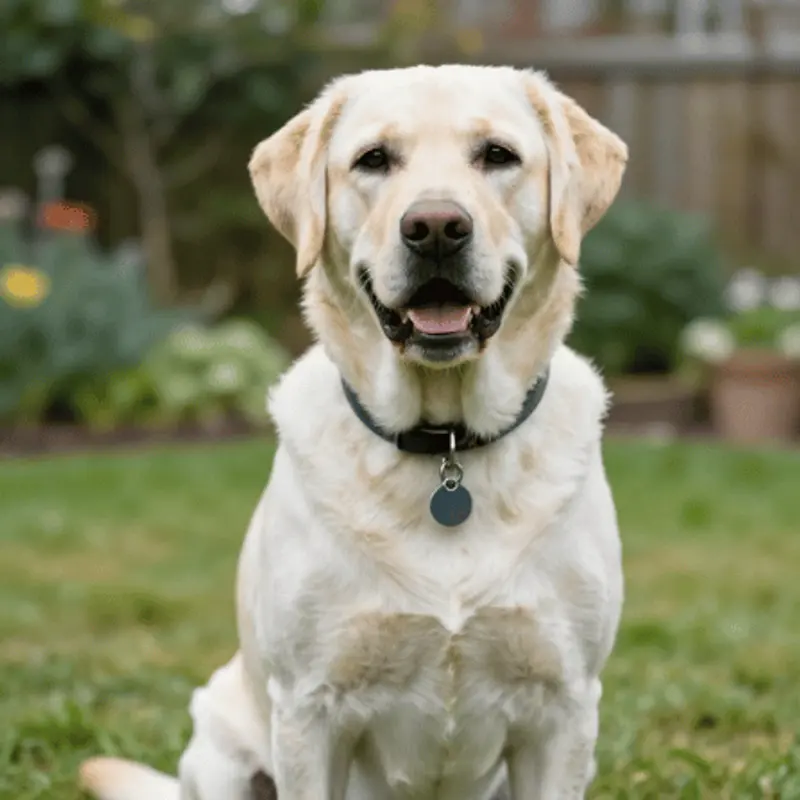
A "double coat" means an animal has two distinct layers of fur: a soft, dense undercoat close to the skin for insulation, and longer, coarser guard hairs on top that repel water, block UV light, and protect against minor scrapes. Breeds with this coat structure include German Shepherds, Golden and Labrador Retrievers, Siberian Huskies, Border Collies, Corgis, Chow Chows, Newfoundlands, Pomeranians, and Bernese Mountain Dogs, among many others. Plenty of cats are double-coated too, including Maine Coons, Norwegian Forest Cats, and British Shorthairs.
What shaving does to this structure
Shaving a double coat removes both layers at once. Without the guard hairs, the skin is left directly exposed to the sun, and without the undercoat's insulating air pockets, the animal loses one of its main tools for managing body heat. The coat that grows back afterwards is often uneven, because the fast-growing undercoat regrows more quickly than the slower guard hairs, sometimes crowding them out permanently. This can leave a patchy, fluffy, or discoloured coat that never fully returns to its original texture, and in some cases the guard hairs never grow back properly at all.
A double coat works like insulation in a house: it slows heat from getting in during summer just as much as it slows heat from getting out in winter. Shaving it off removes both the sun shield and the natural cooling system in one go.
Single-coated and short-haired pets: a different story
Not every pet has this two-layer structure. Single-coated breeds, such as Poodles, Yorkshire Terriers, Maltese, and many spaniel and terrier types, grow one continuous layer of hair that behaves more like human hair, in that it keeps growing and doesn't shed seasonally in the same way. These coats can usually be trimmed shorter in summer without the same insulation and regrowth problems, which is why many single-coated breeds already visit a groomer regularly for a "summer cut."
Even so, a trim isn't the same as shaving down to bare skin. Groomers generally recommend leaving at least an inch of coat length so there's still some protection from sun and minor scrapes, and so the clippers don't cause irritation on sensitive skin. If you're unsure whether your dog or cat is single or double coated, ask your usual groomer or vet before booking a full shave, since many breeds are crossbred and the coat type isn't always obvious from looks alone.
Sunburn and skin cancer risk after a shave
Pets can get sunburnt just like people can, and the risk goes up sharply once protective fur is removed. According to PDSA, pets are especially at risk of sunburn if they are light coloured (ginger or white), or have any areas of thin fur or bald patches, with the ears, nose, eyelids, and tummy being the most commonly affected spots. Sunburn is painful in its own right, and the skin damage it causes can sometimes lead to skin cancer, including a sun-related type called squamous cell carcinoma that most often shows up as dark patches, non-healing wounds, or scabs on exposed skin such as the ear tips, nose, and eyelids.
A pet that's just been shaved has far less natural protection against UV rays than one with an intact coat, which is exactly the opposite of what most owners are hoping to achieve. If you do have a pet clipped for medical or grooming reasons in summer, PDSA recommends applying a pet-safe sunblock of SPF30 or higher to thinly furred areas, reapplying regularly and especially after your pet has been in water.
Safer ways to keep your dog or cat cool
Rather than reaching for the clippers, there's a lot you can do that keeps the coat's natural protection intact while still helping your pet manage the heat.
- Brush more often. Daily brushing during shedding season removes loose, dead undercoat and improves air circulation without stripping away the guard hairs.
- Trim sensibly, not drastically. A hygiene trim around the paws, tail, and stomach can help sweat evaporate and stop mats trapping heat and moisture, without touching the main body coat.
- Provide constant shade and water. Make sure there's always a cool, shaded spot both indoors and out, and keep water bowls topped up in more than one location.
- Time exercise around the weather. Walk during the cooler parts of the day, early morning or evening, and check pavements with the back of your hand; if it's too hot for your hand for five seconds, it's too hot for paws. The Dog Walking Calculator can help you work out a sensible amount of exercise for your dog's age and breed if you need to scale things back in a heatwave.
- Use cooling aids. Cooling mats, damp towels to lie on, frozen treats or a stuffed Kong, and a shallow paddling pool can all help, though some cats and nervous dogs won't want direct water contact and shouldn't be forced.
- Never leave a pet in a car, conservatory, or caravan. RSPCA guidance points out that on a day when it's just 22°C outside, the temperature inside a car can reach around 47°C within an hour, which is enough to cause fatal heatstroke.
- Check for flystrike and parasites. Warm weather brings a higher risk of flystrike, especially around the rear end of rabbits and less mobile pets, alongside a general increase in flea and tick activity.
Special care for flat-faced breeds
Brachycephalic, or flat-faced, breeds such as French and English Bulldogs, Pugs, and Boston Terriers have a much harder time regulating their own body temperature because their shortened airways make panting, their main cooling mechanism, less effective. Dogs Trust highlights that Bulldogs are around fourteen times more likely to suffer heat-related illness than Labrador Retrievers, which reflects just how much extra risk their body shape carries in hot weather. If you own a flat-faced breed, treat any warm day with extra caution: shorten walks further, avoid exercise entirely during the hottest hours, and watch for early warning signs of overheating rather than waiting for obvious distress.
Common mistakes owners make in hot weather
Even well-meaning owners can get a few things wrong once the temperature rises. Shaving a double coat "to help them cool down" is the classic one covered above, but other frequent mistakes include over-exercising a dog early in a heatwave before they've had a chance to acclimatise, assuming a dog is fine in water because it's hot outside (many dogs and most cats don't enjoy being submerged and should never be forced), and covering an overheating pet in wet towels. PDSA specifically warns against this last habit, since a wet towel that warms up against the body can trap heat rather than releasing it; misting with cool water and using a fan, or standing your pet in front of an open window or air conditioning, works far better.
Another common error is only thinking about heat risk on the hottest days of the year. Pets, particularly senior animals, those carrying extra weight, and brachycephalic breeds, can struggle on days that don't feel extreme to us, especially if humidity is high or there's no breeze.
When to see your vet
Heatstroke is a genuine emergency and can be fatal if not treated quickly. According to PDSA, mild overheating looks like heavy panting, seeking out shade, and drinking more than usual, with your pet still otherwise responding normally. More serious signs include excessive drooling, bright red or purple gums, vomiting, diarrhoea, disorientation, wobbly or uncoordinated movement, and in severe cases, seizures or collapse.
If you notice any of the more serious signs, start cooling your pet immediately, ideally with cool (not icy) water poured over the body, and call your vet straight away so they know you're on your way. PDSA's advice is clear that cooling comes first and transport comes second: begin first aid before you leave, and continue cooling in the car if you can, with windows down or air conditioning on. Don't wait to see if symptoms pass on their own, and don't assume your pet is out of danger once they seem calmer, since heatstroke can cause organ damage that isn't obvious straight away. Your vet may want to monitor your pet for 24 to 48 hours after an episode, even if they appear to have recovered.
*This is general guidance, not a substitute for advice from your vet, who can assess your individual pet.*
Sources
- PDSA — how to keep your dog cool in summer, including grooming and coat advice (pdsa.org.uk).
- PDSA — heatstroke in dogs: signs, first aid, and when to call a vet (pdsa.org.uk).
- PDSA — sunburn in pets: at-risk coat types and prevention (pdsa.org.uk).
- RSPCA — caring for your dog in hot weather (rspca.org.uk).
- Dogs Trust — hot weather advice, including flat-faced breed risk and heatstroke signs (dogstrust.org.uk).
Common questions
Should I shave my double-coated dog to keep them cool in summer?
No. Breeds like German Shepherds, Huskies, and Golden Retrievers rely on their double coat to insulate against heat as well as cold. Shaving removes this natural protection, increases sunburn risk, and can cause the coat to grow back patchy or uneven. Regular brushing to remove loose undercoat is a safer way to help them cope with the heat.
Is it OK to give my dog a short trim in hot weather?
For single-coated breeds such as Poodles or Yorkshire Terriers, a shorter summer trim is generally fine, as their coat behaves more like continuously growing hair rather than a seasonal double coat. Even so, groomers usually recommend leaving at least an inch of length to protect the skin from sunburn.
Which pets should never be shaved down to the skin?
Any double-coated breed, including German Shepherds, Retrievers, Huskies, Collies, Chow Chows, Pomeranians, and double-coated cats like Maine Coons and Norwegian Forest Cats, should not be shaved to the skin. Their undercoat and guard hairs work together to regulate temperature and block UV rays.
My cat has long hair — should I get them shaved for summer?
Most cats, including long-haired breeds, cope well with summer heat without a full shave, since their coat protects against sun and helps regulate temperature. A shave may occasionally be needed for cats prone to severe matting, but this should be done by a vet or professional groomer, leaving some coat length for sun protection.
What are the signs of heatstroke and what should I do?
Watch for heavy panting, drooling, bright red or purple gums, lethargy, vomiting, wobbly movement, or collapse. Move your pet to shade immediately, begin cooling with cool (not icy) water, and call your vet straight away, continuing to cool your pet on the way to the clinic. Always let your vet assess your pet after a suspected heatstroke episode.
About the author
Matt Garnett — founder, Giddy Pets
Matt started Giddy Pets to make getting pets the good stuff simpler and fairer. Everything in these guides comes from real life with pets and a lot of trial and error — it's practical guidance, not veterinary advice. If a guide gets something wrong, tell him directly.
Advice & planning
Free tools & more guides
Practical calculators and trusted guides relevant to this product.
Read next
How often should you bathe your dog?
Why washing your dog too often strips natural oils and irritates skin, and how to judge the right bathing frequency by coat type
Do foxes spread lungworm to dogs?
How foxes, slugs and snails link together to spread lungworm to dogs, and the practical steps that actually reduce the risk

How to trim your dog's nails safely
A step-by-step guide to clipping your dog's nails at home without hurting the quick, plus when to leave it to a groomer or vet

Do probiotics help a dog's skin?
What the gut-skin link in dogs actually means, and what the evidence really says about probiotics for itchy, sore or dull-coated dogs