




How to keep your dog safe in summer
Practical, vet-backed guidance on heatstroke prevention, hot pavements, car safety and hydration for keeping dogs safe in warm weather
The quick answer
There's no fixed temperature threshold — heatstroke depends on humidity, exercise, sun exposure and your dog's individual risk factors as well as air temperature. The RSPCA notes dogs are more likely to overheat from exercise in warm weather than from any single temperature reading, so even a mild-feeling day can be risky during a walk or in a parked car.
Summer is the season most owners look forward to sharing with their dog — longer walks, more time in the garden, weekends away. But heat is one of the few genuinely life-threatening risks a healthy dog can face at home in the UK, and it catches people out every year, often on days that don't even feel that hot to us.
Dogs cool themselves very differently to people. They can only sweat through their paw pads, so almost all of their heat loss happens through panting. That system works well in normal conditions, but it's easily overwhelmed — by exercise, by a warm car, by a sunny pavement, or simply by a muggy afternoon with no breeze. Once a dog's temperature climbs too high for too long, heatstroke can develop within minutes and can be fatal even with treatment.
None of this means keeping your dog in over summer. It means knowing the handful of things that actually matter — timing, water, shade, pavement temperature, and never leaving a dog in a car — and knowing the early warning signs so you can act before a problem becomes an emergency. This guide covers all of it.
Why summer heat is riskier for dogs than you think
It's tempting to assume heatstroke only happens on scorching days, but UK veterinary charities see cases in weather that feels entirely manageable to a person in shorts and a t-shirt. The RSPCA notes that dogs are at high risk of heatstroke because, unlike people, they can't cool down efficiently by sweating — panting is far less effective, especially in humid conditions when the air is already saturated with moisture and can't absorb much more.
Two situations account for most cases. According to PDSA, heatstroke commonly develops during exercise — a walk, a run, or an energetic game of fetch, particularly if it happens in the warmer part of the day. The RSPCA's analysis of hot-weather incidents goes further, noting that dogs are far more likely to suffer heat-related illness from exercising in warm weather than from being left in a hot car — which is a useful reminder that walks need just as much thought as car journeys do. The other major cause is being trapped somewhere hot with no way to cool down: a parked car, a conservatory, a caravan, or a garden with no shade.
The practical takeaway is that a dog doesn't need extreme heat to be at risk. A dog that's overweight, unfit, elderly, very young, or a flat-faced breed can overheat on a day that would be entirely comfortable for a fitter dog to walk in the cool of the morning.
Know the signs of heatstroke early
Recognising the early stages of overheating is what makes the difference between a quick recovery and a genuine emergency. PDSA groups the signs into a rough progression, and it's worth knowing that dogs move through these stages quickly, sometimes in a matter of minutes.
Early, mild signs include:
- Excessive or heavier panting than usual
- Rapid breathing
- Tiredness or reluctance to keep moving
As things progress, watch for:
- Drooling that's thicker or stickier than normal
- Vomiting or diarrhoea
- Pale, very red, or purple-tinged gums
- Weakness, wobbliness, or trouble standing
In severe cases, a dog may show confusion, seizures, collapse, or lose consciousness, and vomit or stools may contain blood. This is a genuine emergency requiring immediate cooling and urgent veterinary attention.
If in doubt, cool your dog down straight away and call your vet — heatstroke can escalate faster than it seems, and acting early rarely does any harm.
The five-second pavement test
One of the most common — and most preventable — summer injuries is burnt paw pads from hot tarmac. Both the RSPCA and Dogs Trust recommend a simple check before any walk on a hard surface: press the back of your hand firmly onto the pavement and hold it there for five seconds. If it's too hot for your hand to bear, it's too hot for your dog's paws.
Tarmac and paving absorb heat throughout the day and can stay dangerously hot well into the evening, even once the air temperature has dropped and it feels comfortable to walk in. Dark surfaces in direct sun are worst of all. If the test fails, the safest option is simply to wait — walk on grass instead, delay until later, or head out earlier the next morning before the sun has had a chance to heat the ground.
Walking times and exercise in hot weather
Both the RSPCA and Dogs Trust are consistent on timing: walk your dog in the early morning or late evening, when the air and the ground are at their coolest, and avoid the middle of the day in warm weather entirely. Running or cycling with your dog is best avoided altogether once temperatures climb, since sustained exercise generates far more internal heat than your dog can shed through panting alone.
If you're out and about, plan ahead. Before you set off, think about where there'll be shade along your route, and carry water so you can offer your dog small amounts regularly rather than waiting until they seem thirsty — every 15 to 20 minutes is a sensible habit on a warm walk. Shorten the walk itself if needed; a dog doesn't need a full hour to get enough enrichment, and a shorter walk followed by garden play or a food puzzle indoors is a perfectly good substitute on a hot day.
If your dog shows any of the early heatstroke signs above during a walk, stop immediately, find shade, offer water, and head home by the shortest, coolest route. Our Dog Walking Calculator can help you work out a sensible amount of exercise for your dog's age and breed if you're planning to adjust routines for summer.
Water, shade and cooling at home
Constant access to fresh, cool water and shade — both indoors and out — is the foundation of summer safety, and it needs to be genuinely constant, not just available at mealtimes. If your dog spends time in the garden, check that shaded areas stay shaded as the sun moves through the day, and top up water bowls more often than usual, since dogs drink more and bowls empty faster in the heat.
A few extras make a real difference on hot days:
- A cooling mat, or a frozen water bottle wrapped in a towel for your dog to lie against
- A fan or open windows to keep air moving through the house
- Damp towels laid out for your dog to lie on
- Frozen treats or ice cubes added to food or water for extra moisture
- Keeping walks and toilet breaks to cooler parts of the garden or the coolest time of day
Grooming matters too. A lighter brush-out to remove excess undercoat can help some breeds regulate heat more easily, though you should never shave a double-coated breed down to the skin, since the coat also protects against sunburn. If you're unsure what's appropriate for your dog's coat type, ask your groomer or vet rather than guessing.
Dogs at highest risk this summer
Some dogs need considerably more caution than others in hot weather. Flat-faced (brachycephalic) breeds — pugs, French bulldogs, English bulldogs, boxers and similar — struggle the most, because their shortened airways make panting far less effective at shedding heat. The RSPCA and Dogs Trust both flag these breeds specifically, and research cited by Dogs Trust found bulldogs to be many times more likely to suffer heat-related illness than a breed like the Labrador Retriever.
Other dogs who need extra care include:
- Senior dogs and very young puppies, whose temperature regulation is less efficient
- Overweight dogs, since extra body fat acts as insulation and makes cooling harder
- Dogs with heart or respiratory conditions
- Dogs with thick or double coats, bred for cooler climates
- Dogs that have had heatstroke before — a previous episode raises the risk of another
If your dog falls into one or more of these groups, treat every warm day as one that needs planning: earlier walks, closer water access, and a lower threshold for cutting a walk short.
Never leave a dog in a car
This is the piece of advice repeated by every UK animal charity, and for good reason: it remains one of the most common preventable causes of death in dogs each summer, despite decades of awareness campaigns. The RSPCA is direct about the numbers — on a day that's just 22°C outside, the inside of a car can reach around 47°C within an hour, hot enough to cause fatal heatstroke. Cracking a window or parking in the shade does not meaningfully change this; a car heats up like a greenhouse regardless.
There is no errand short enough to justify leaving a dog in a vehicle, even briefly. If you can't take your dog inside with you, the safest choice is to leave them at home.
If you see a dog showing signs of distress in a hot car, the RSPCA's advice is to dial 999 and ask for the police, since this is treated as an emergency. Take photos or video of the dog and the car, note the registration and location, and try to find witnesses. If the dog appears stable rather than in obvious distress, staying nearby, checking for a parking ticket to establish how long they've been left, and asking a nearby shop or venue to make a loudspeaker announcement can help resolve the situation without needing to intervene physically.
Car journeys and travel safety
Travelling with your dog in summer needs a bit more planning than the rest of the year. Keep the car well ventilated with air conditioning or open windows while you're driving, and never leave your dog unattended in the vehicle at any stop, even for what feels like "just a minute." A sun shade on rear windows helps reduce direct heat on a dog travelling in the back, and a spill-proof water bowl in the car means you can offer a drink at each stop.
Plan journeys to avoid the hottest part of the day where you can, and build in regular breaks so your dog can stretch, drink, and cool off away from a hot vehicle. If you're heading somewhere new for the day, check in advance that there's shade and water available once you arrive, rather than assuming you'll find some on the day.
What to do if your dog overheats
If you notice signs of heatstroke, quick, correct action matters more than anything else. PDSA's first aid guidance is worth learning before you need it, not while you're in the middle of an emergency:
1. Move your dog somewhere cooler immediately — shade outdoors, or indoors with a fan or air conditioning 2. Pour cool (not ice-cold) water over their body, starting gradually so they aren't startled, and aim to wet their whole body as quickly and calmly as you can 3. Increase airflow with a fan, air conditioning, or open doors and windows 4. Offer cool water to drink, but never force your dog to drink 5. Avoid covering your dog with a wet towel or cuddling them close, as trapping the wet layer against their skin can actually hold heat in rather than releasing it 6. Call your vet immediately, even if your dog seems to be recovering, and follow their instructions on whether to bring your dog in
Cooling comes first, transport second — begin first aid before you set off for the vet rather than driving straight there with an overheating dog in a warm car. Every case of suspected heatstroke should be checked by a vet, even after your dog appears to have cooled down and recovered, since internal damage can develop after the visible symptoms ease.
Common mistakes to avoid
A few well-meaning habits can actually make things worse in hot weather:
- Using ice-cold water for cooling. Very cold water can cause blood vessels near the skin to constrict, which slows heat loss rather than speeding it up. Cool tap water is more effective than water from the fridge or freezer.
- Covering an overheating dog with a wet towel. This traps heat against the body instead of releasing it — pouring water directly onto the dog, or laying a wet towel underneath them, works better.
- Shaving double-coated breeds down to the skin. The undercoat provides some insulation against heat as well as cold, and bare skin is more vulnerable to sunburn.
- Assuming a "mild" day is automatically safe. Humidity, direct sun, exercise, and a dog's individual risk factors all matter more than the number on a thermometer.
- Relying on a cracked car window. As covered above, this does not meaningfully slow the temperature rise inside a vehicle.
When to see your vet
Any dog showing more than mild, fleeting signs of overheating should be seen by a vet, ideally after starting first aid cooling rather than instead of it. Contact your vet urgently if your dog shows drooling that's thicker than usual, vomiting or diarrhoea, red or unusually pale gums, wobbliness or difficulty standing, or any sign of confusion, collapse, or seizure. Puppies, senior dogs, flat-faced breeds, and dogs with existing heart, respiratory, or weight issues warrant a lower threshold for calling — when in doubt, phone your practice for advice rather than waiting to see if things improve on their own. If your vet is closed, contact an emergency out-of-hours service straight away rather than waiting until morning.
*This is general guidance, not a substitute for advice from your vet, who can assess your individual pet.*
Sources
- RSPCA — Keeping Your Dog Safe in Summer (rspca.org.uk).
- RSPCA — How to Recognise & Treat Heatstroke in Dogs (rspca.org.uk).
- RSPCA — Dogs Die On Hot Walks (rspca.org.uk).
- RSPCA — Dogs Die In Hot Cars (rspca.org.uk).
- PDSA — Heatstroke in dogs (pdsa.org.uk).
- Dogs Trust — Dog Hot Weather Safety Tips & Help (dogstrust.org.uk).
Common questions
How hot does it need to be for a dog to get heatstroke?
There's no fixed temperature threshold — heatstroke depends on humidity, exercise, sun exposure and your dog's individual risk factors as well as air temperature. The RSPCA notes dogs are more likely to overheat from exercise in warm weather than from any single temperature reading, so even a mild-feeling day can be risky during a walk or in a parked car.
What's the fastest way to cool down an overheating dog?
Move your dog somewhere cooler, then pour cool (not ice-cold) water over their body and increase airflow with a fan or open windows, offering water to drink without forcing it. Avoid covering them with a wet towel, as this can trap heat. Always call your vet straight away as well, even if your dog seems to be recovering.
Is it ever safe to leave a dog in the car with the window cracked?
No. According to the RSPCA, a car's interior can reach around 47°C within an hour even when it's just 22°C outside, and a cracked window does not meaningfully slow this rise. The only safe option is not to leave your dog in the car at all, even briefly.
Which dogs are most at risk of heatstroke?
Flat-faced (brachycephalic) breeds such as pugs, French bulldogs and boxers are at particularly high risk because their airways make panting less effective. Senior dogs, puppies, overweight dogs, and those with heart or respiratory conditions also need extra care in hot weather.
How do I know if the pavement is too hot for my dog's paws?
Press the back of your hand onto the pavement and hold it there for five seconds. If it's too hot for you to bear, it's too hot for your dog's paws, and you should walk on grass instead, wait until it's cooler, or head out earlier in the morning.
About the author
Matt Garnett — founder, Giddy Pets
Matt started Giddy Pets to make getting pets the good stuff simpler and fairer. Everything in these guides comes from real life with pets and a lot of trial and error — it's practical guidance, not veterinary advice. If a guide gets something wrong, tell him directly.
Advice & planning
Free tools & more guides
Practical calculators and trusted guides relevant to this product.
Read next
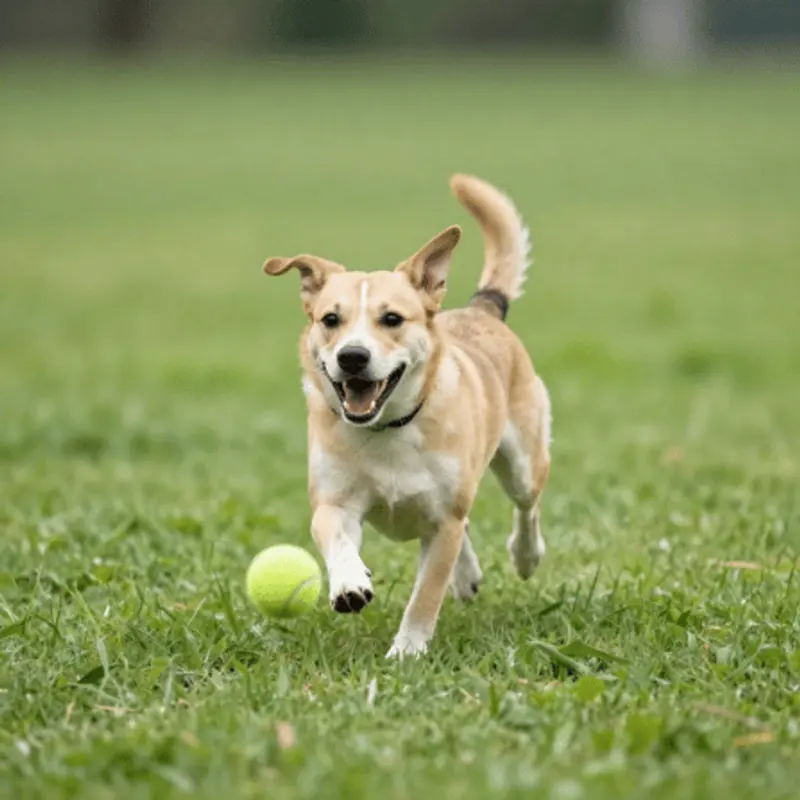
Protecting your dog from heatstroke in summer
How to recognise, prevent and respond to heatstroke in dogs, with vet-backed cooling first aid and summer safety tips
Parasite Prevention for Dogs & Cats in the UK: Fleas, Ticks, Worms & Lungworm
Cruciate Ligament Injury in Dogs: Signs, Treatment and Recovery