


Is yoghurt good for dogs? Which kinds to avoid
Plain yoghurt can make a healthy treat for most dogs, but sweetened, flavoured and xylitol-containing tubs can be dangerous

The quick answer
It's better as an occasional treat rather than a daily habit. Even plain yoghurt adds calories and lactose, so keep portions small and give it now and then rather than mixing it into every meal.
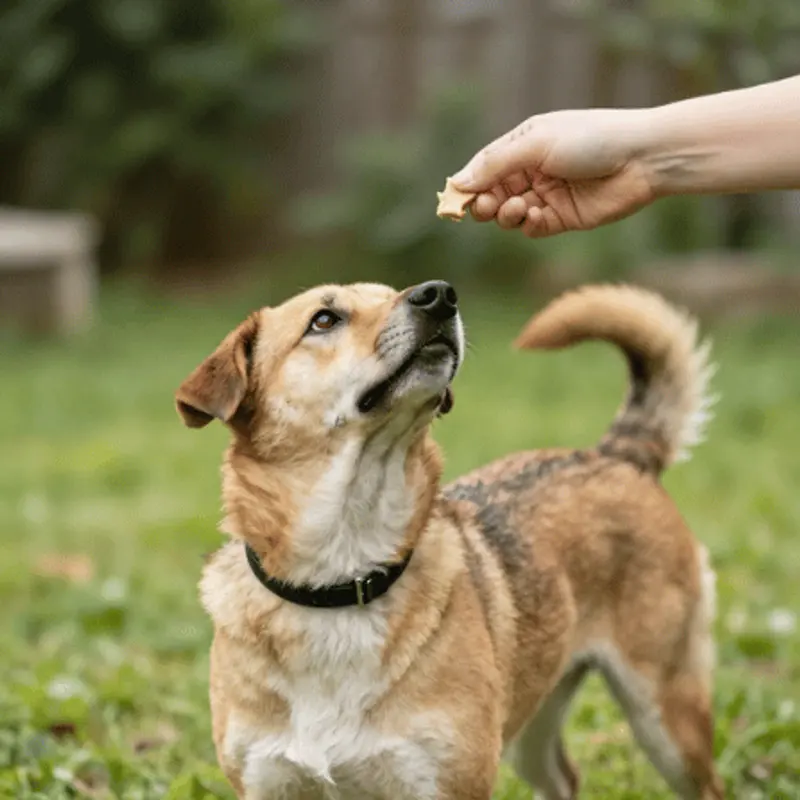
A spoonful of yoghurt on top of dinner, or a lick of the pot when you're finishing breakfast, is one of the most common ways dogs end up sampling dairy. The good news is that plain yoghurt is not on the list of foods that are dangerous for dogs, and in small amounts it can be a perfectly good treat for many of them.
The less good news is that "yoghurt" covers a huge range of products, from a simple pot of natural yoghurt to a flavoured, sweetened dessert that may contain an ingredient that is genuinely toxic to dogs. Getting this right is really about reading the label, understanding how much lactose your own dog can cope with, and knowing exactly which additions turn a harmless treat into an emergency.
This guide explains which yoghurts are fine, which to steer well clear of, how much to give, and what to watch for if your dog's tummy doesn't agree with dairy.
Can dogs eat yoghurt?
Yes, most adult dogs can eat small amounts of plain, unsweetened yoghurt without any problems. Plain yoghurt is not a toxic food for dogs in the way that chocolate, grapes, onions or xylitol-sweetened products are, and it's often listed as an acceptable occasional treat by UK animal charities. Battersea Dogs & Cats Home, for example, lists plain (unsweetened) yoghurt alongside small amounts of low-fat cheese as dairy treats that can be given in moderation, provided your dog tolerates lactose.
The key word throughout this guide is "plain." Anything with added sugar, sweeteners, chocolate, coffee flavouring, or fruit compote changes the picture, sometimes just in terms of empty calories, and sometimes in terms of genuine danger. We'll cover exactly which products to avoid further down.
If you're ever unsure whether a specific food or ingredient is safe to give your dog, our Can My Pet Eat This? tool is a quick way to check before you share anything from your own plate.
Why plain yoghurt can be a useful treat
Plain yoghurt contains protein, calcium and, because it's a fermented product, live bacterial cultures. The American Kennel Club notes that yoghurt can offer calcium and protein, and that its live cultures may support digestive health in the same general way probiotics do, although it also points out that there are more concentrated and reliable sources of probiotics if that's specifically what you're after, such as a vet-recommended supplement.
So think of plain yoghurt as a reasonably nutritious, low-effort treat option rather than a health supplement in its own right. It's a good way to:
- Add variety to training treats without reaching for something processed
- Hide a tablet or capsule your dog is reluctant to take
- Make a frozen lick-mat or Kong filling on a warm day
- Offer a small, soft treat to an older dog with fewer teeth or a sore mouth
Greek yoghurt vs regular natural yoghurt
If you're choosing between types, plain Greek-style yoghurt is generally the better option for dogs. It's strained more thoroughly than regular natural yoghurt, which removes more of the liquid whey, and whey is where a good deal of the lactose sits. The AKC specifically recommends plain Greek yoghurt for this reason, noting it typically carries less lactose than standard natural yoghurt.
That doesn't make Greek yoghurt lactose-free, and it doesn't mean every dog will tolerate it. It simply means it's usually a gentler starting point than a standard pot of natural yoghurt, and considerably gentler than a flavoured dessert yoghurt aimed at people.
Lactose intolerance in dogs
Most puppies produce enough of the enzyme lactase to digest their mother's milk, but like many mammals, dogs typically produce far less of it once they're weaned. The AKC explains it plainly: dogs' bodies aren't really designed to digest lactose properly after puppyhood, and a food that's high in lactose can lead to gas, diarrhoea or vomiting in a dog whose gut can't process it well.
This is why the same tablespoon of yoghurt might suit one dog perfectly and give another a dodgy stomach the same evening. There's no reliable way to know in advance how lactose-tolerant an individual dog is, so the sensible approach is always to start with a very small amount and watch how your dog copes over the following 12 to 24 hours, rather than assuming a full portion will be fine because a friend's dog has one every day.
Signs that a dog is struggling to digest dairy include loose stools, wind, mild vomiting, or a gurgling tummy shortly after eating. None of this is usually an emergency, but it's a clear signal to stop offering yoghurt (or any dairy) and to try something else instead.
Yoghurts to avoid completely
This is the section that matters most. Several types of yoghurt should never be given to a dog, and one ingredient in particular is a genuine emergency if eaten.
Xylitol-sweetened yoghurt
Xylitol is a sugar substitute used in a growing number of "no added sugar," low-calorie and diabetic-friendly foods, and it can turn up in flavoured yoghurts, yoghurt-coated snacks and some dairy desserts. It is sometimes listed on labels as "birch sugar" or "birch sap."
Xylitol is extremely dangerous for dogs. PDSA is direct about this, stating that xylitol "is extremely harmful to dogs and can be fatal if eaten." VCA Hospitals explains why: in dogs, xylitol triggers a much larger release of insulin from the pancreas than it does in people, which can cause a sharp, dangerous drop in blood sugar within 30 minutes to two hours of eating it. In more serious cases it can go on to cause liver damage, with signs sometimes not appearing for 12 to 48 hours after ingestion.
If you have any reason to think your dog has eaten something containing xylitol, treat it as an emergency and call your vet or an emergency vet line immediately, even if your dog seems completely fine. Don't wait for symptoms to appear.
Early signs of xylitol poisoning include vomiting, weakness, wobbliness or difficulty standing, lethargy, tremors, seizures and, in severe cases, collapse. Because the onset can be so fast, this is not a situation to "wait and see."
Flavoured and dessert yoghurts
Beyond xylitol, many flavoured yoghurts (chocolate, coffee, toffee, some fruit varieties with syrups) are simply too high in sugar and sometimes contain other problem ingredients. Chocolate-flavoured yoghurt may contain real cocoa solids, and chocolate is toxic to dogs regardless of the format it comes in. Raisin or sultana-topped yoghurts are another to avoid, since grapes and dried vine fruit are potentially fatal to dogs even in fairly small amounts, for reasons that aren't yet fully understood.
Very high-fat or full-cream products
Rich, high-fat dairy such as double cream yoghurt, some "indulgent" dessert-style pots, or anything with a cream or custard layer is worth avoiding, particularly for dogs who are overweight, older, or have had pancreatitis before. Dietary indiscretion, including scavenged fatty or unusual foods, is a recognised risk factor for pancreatitis in dogs, a painful and sometimes serious inflammation of the pancreas. A small amount of plain, low-fat yoghurt is a very different proposition to a rich dessert yoghurt, so it's worth checking the fat content on the label rather than assuming all yoghurt is equal.
How much yoghurt is safe to give?
As with any treat, moderation is the rule. A commonly used guide is that treats of any kind, including yoghurt, shouldn't make up more than around 10% of a dog's daily calorie intake, with the rest coming from a nutritionally complete main diet. For a small dog, that might mean no more than a teaspoon; for a larger dog, a tablespoon is a reasonable upper limit as an occasional addition rather than a daily habit.
If you're not sure how many calories your dog needs in a day, or want to work out where treats like yoghurt fit into that total, our Pet Calorie Calculator can help you keep portions sensible, especially for dogs who are already overweight or prone to weight gain.
Introducing yoghurt safely
If you'd like to try plain yoghurt with your dog for the first time, a cautious approach avoids most problems:
- Choose a plain, unsweetened yoghurt with no artificial sweeteners, chocolate, fruit syrup or added sugar
- Check the ingredients label specifically for xylitol or "birch sugar," not just the front-of-pack description
- Offer a very small amount first, such as half a teaspoon for a small dog or a teaspoon for a larger one
- Wait 24 hours and watch for loose stools, wind, or vomiting before offering it again
- If your dog tolerates it well, keep portions small and occasional rather than a daily addition to every meal
- Stop immediately, and don't offer it again, if you see any digestive upset
This slow, small-amount approach applies to any new food, not just yoghurt, and it's a good habit generally when trying anything new with a sensitive digestive system.
Common mistakes owners make
A few patterns come up again and again when things go wrong with yoghurt and dogs:
- Assuming "no added sugar" is automatically safer. These are often exactly the products most likely to contain xylitol, since it's used specifically to replace sugar.
- Giving a full adult-sized human portion. A whole individual yoghurt pot is a large amount for even a big dog to have in one go, especially the first time.
- Not checking flavoured or novelty pots aimed at children, which can be high in sugar, colourings and sometimes chocolate pieces.
- Continuing to offer yoghurt after signs of an upset stomach, rather than stopping and trying something else.
- Confusing yoghurt drinks with yoghurt. Some yoghurt drinks are heavily sweetened and are best avoided altogether.
When to see your vet
Mild, short-lived loose stools or a bit of wind after dairy is common and not usually a reason to panic, though it's a sign to stop giving yoghurt. Contact your vet promptly if your dog has ongoing vomiting or diarrhoea, seems lethargic or off-colour, shows any signs of tummy pain, or if diarrhoea contains blood.
If your dog has eaten a yoghurt product that could contain xylitol, or any product where you can't be certain of the ingredients, treat this as an emergency. Call your vet or an emergency vet line straight away, even before symptoms appear, and take the packaging with you if you can, so the ingredients can be checked quickly.
*This is general guidance, not a substitute for advice from your vet, who can assess your individual pet.*
Sources
- PDSA — poisons and hazards for pets, including xylitol toxicity (pdsa.org.uk).
- VCA Animal Hospitals — xylitol toxicity in dogs: symptoms, timeline and treatment (vcahospitals.com).
- Battersea Dogs & Cats Home — feeding your puppy, including guidance on plain yoghurt and dairy in moderation (battersea.org.uk).
- American Kennel Club — can dogs eat yogurt: lactose intolerance, Greek yoghurt and safe serving guidance (akc.org).
Common questions
Can dogs eat yoghurt every day?
It's better as an occasional treat rather than a daily habit. Even plain yoghurt adds calories and lactose, so keep portions small and give it now and then rather than mixing it into every meal.
Is Greek yoghurt better for dogs than natural yoghurt?
Yes, generally. Greek yoghurt is strained more thoroughly, which removes more whey and lactose, so it's usually gentler on a dog's digestion than standard natural yoghurt, though always choose a plain variety with no added sugar.
What happens if my dog eats yoghurt with xylitol in it?
This is a medical emergency. Xylitol can cause a rapid, dangerous drop in blood sugar and, in some cases, liver damage. Contact your vet or an emergency vet line immediately, even before any symptoms appear.
Why does yoghurt give some dogs diarrhoea?
Most adult dogs produce very little of the enzyme needed to digest lactose after puppyhood, so dairy can cause gas, loose stools or vomiting in dogs who are lactose intolerant. If this happens, stop giving dairy and try a different treat.
Can puppies eat yoghurt?
A small amount of plain yoghurt is unlikely to harm a healthy puppy, but puppies should get most of their nutrition from a complete puppy food. Introduce any new food, including yoghurt, in a very small amount first and check with your vet if you're unsure.
About the author
Matt Garnett — founder, Giddy Pets
Matt started Giddy Pets to make getting pets the good stuff simpler and fairer. Everything in these guides comes from real life with pets and a lot of trial and error — it's practical guidance, not veterinary advice. If a guide gets something wrong, tell him directly.
Advice & planning
Free tools & more guides
Practical calculators and trusted guides relevant to this product.
Read next

Zinc deficiency in dogs: signs and causes
What causes zinc deficiency in dogs, which breeds are most at risk, and how vets diagnose and treat it

Dog wheelchairs: when they help and how to choose one
A practical guide to which conditions dog wheelchairs help with, the different types available, and how to choose, fit and introduce one safely

Parasite Prevention for Dogs & Cats in the UK: Fleas, Ticks, Worms & Lungworm