





How often should you bathe your dog?
Why washing your dog too often strips natural oils and irritates skin, and how to judge the right bathing frequency by coat type
The quick answer
It depends on coat type and lifestyle rather than a fixed schedule. Short-coated dogs often need a bath only every couple of months, while medium and long-coated dogs may need one every few weeks, with regular brushing in between. Dogs with a diagnosed skin condition should follow their vet’s specific advice instead.
It's tempting to think a clean dog is a healthy dog, and a quick trip through the bath or the garden hose after every muddy walk feels like good pet parenting. In reality, dogs are far better at looking after their own skin than most owners give them credit for, and reaching for the shampoo bottle too often can undo a lot of that natural protection.
The honest answer to "how often should I bathe my dog?" is: less often than you probably think, and it depends heavily on coat type, lifestyle and skin health rather than a fixed weekly or monthly schedule. Get the frequency right and you'll see a shinier coat, fewer trips to the vet for skin problems, and a dog who's genuinely more comfortable in their own fur.
This guide explains why over-bathing causes real problems, gives sensible starting points by coat type, and covers how to bathe your dog properly when the time comes — plus when itching or flaky skin means it's time to speak to your vet rather than just adding another bath.
Why over-bathing can do more harm than good
A dog's skin and coat are protected by a thin layer of natural oils, produced by glands at the base of each hair follicle. This oil layer, along with the skin's own barrier of cells and healthy bacteria, keeps moisture in and irritants, allergens and infection-causing organisms out.
Every bath, even a gentle one, strips away some of this oil. PDSA advises that "unless needed for medical reasons, dogs don't usually need bathing too often, as shampoos can strip their coat of natural oils," and recommends a simple rinse in warm water for a dog that's just picked up mud on a walk, rather than a full shampoo wash. The Kennel Club puts it just as plainly: bathing your dog too often can cause skin problems, so the shampoo should only come out when there's a genuine reason — a bad smell, visible dirt, or something unpleasant rolled in.
Bathe too frequently and you risk a cycle that's easy to fall into without realising: stripped oils lead to dry, itchy skin; the dog scratches; the coat looks dull and unkempt; the answer seems to be another bath, which strips away what little natural oil is left. Left unchecked, this can contribute to flaking, redness and a coat that never quite looks or feels right, even though the underlying cause is simply too much washing rather than too little.
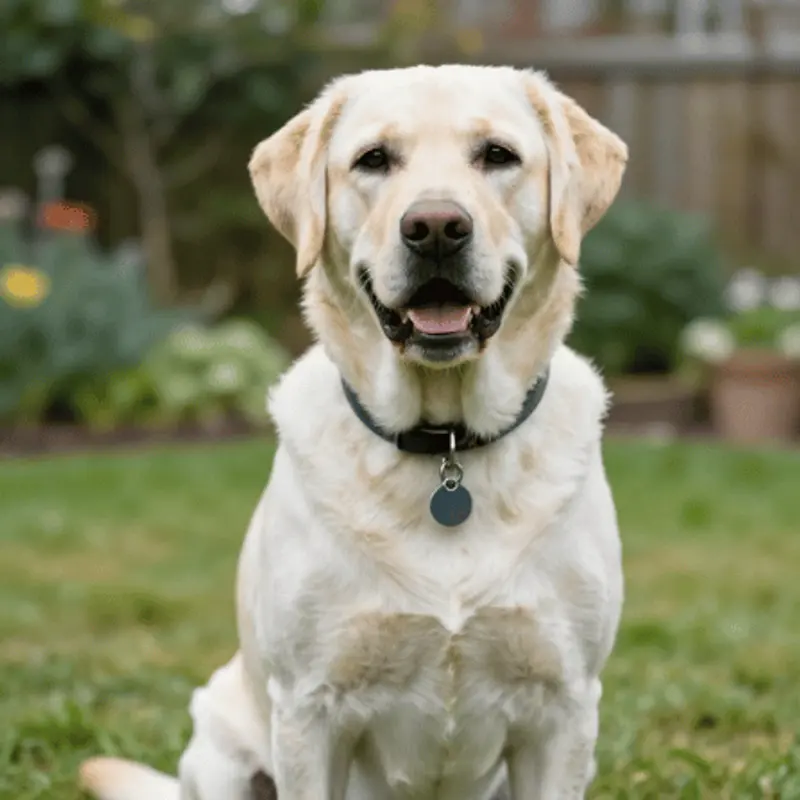
Bathing your dog too much can cause skin problems, so only get the shampoo out if you need to.
How often should you actually bathe your dog?
There's no single correct number, but coat type is the best starting point for working out what's reasonable for your own dog.
Short-coated breeds
Dogs with short, smooth coats — Staffordshire Bull Terriers, Boxers, Whippets and similar breeds — produce and distribute their natural oils efficiently and rarely need more than the occasional bath. The Kennel Club notes that Staffies, for example, are unlikely to need bathing at all unless they've rolled in something unpleasant. For most short-coated dogs, that translates to somewhere in the region of once every couple of months, and often less, unless they're unusually messy or have a diagnosed skin condition.
Medium and long-coated breeds
Breeds like Cocker Spaniels, Border Collies and Golden Retrievers pick up more dirt, debris and tangles in their longer fur, and their coats mat more easily if left unwashed and unbrushed for too long. The Kennel Club advises that these coats "need grooming on a much more regular basis to keep their coats tangle and matt-free," with some needing daily brushing attention even though full baths are still only needed occasionally — typically every few weeks rather than every few days. Regular brushing between baths does most of the real work here, removing loose hair and preventing the kind of matting that eventually forces an unplanned bath (or a trip to the groomer with clippers).
Double-coated breeds
Dogs with a dense double coat — Labradors, Golden Retrievers, Huskies and similar — have an insulating undercoat that relies on natural oils to stay weatherproof through the seasons. Bathing these breeds too often can strip away the oils that keep that insulation working properly, so it's worth erring on the side of less frequent, more purposeful bathing, reserving full washes for when the dog is genuinely dirty or smelly rather than on a routine timetable.
Dogs with skin conditions
If your dog has a diagnosed skin condition, coat type takes a back seat to veterinary advice. Vets often prescribe medicated shampoos used far more frequently than a healthy dog would ever need — sometimes weekly — because the therapeutic ingredients are doing a specific job. VCA Animal Hospitals notes that "the frequency of medicated baths depends on the specific skin condition. In many cases, medicated baths are recommended on a weekly basis," with your vet adjusting the schedule based on how your dog responds. Never apply this logic to a healthy dog without a diagnosis — more frequent bathing only helps when there's a specific condition it's treating.
Signs you might be over-bathing your dog
Watch for these signs that bathing has tipped from helpful to counterproductive:
- A dull, flat coat that's lost its natural shine and feels rough or straw-like to the touch.
- Flaking or visible dandruff, especially appearing shortly after a bath rather than being a long-standing issue.
- Increased scratching in the day or two following a wash.
- Dry, tight-looking skin, particularly on the belly and inner legs where the coat is thinner.
- A coat that gets greasy again unusually fast — a sign the skin is overproducing oil to compensate for what's being washed away.
If you recognise several of these, the simplest first step is to space out baths further and switch to brushing and spot-cleaning in between, then reassess after a few weeks.
Choosing the right shampoo
Product choice matters as much as frequency. Human shampoos are formulated for a different skin pH than dogs have, and PDSA is direct about this: "make sure you get a dog-specific shampoo for them, as human shampoos can cause skin irritation." A shampoo made for dogs is milder, better balanced for canine skin, and far less likely to leave the coat stripped or the skin reactive.
If your dog has a diagnosed skin condition, don't guess at a "sensitive skin" product off the shelf — check with your vet first, since medicated and prescription shampoos are formulated for specific issues and a mismatched product can make things worse rather than better. Fragrance-free formulas are generally the safest default for dogs prone to any irritation, since added fragrance is one of the more common causes of a reaction.
How to bathe your dog without damaging their skin
When a bath is genuinely needed, technique makes a real difference to how much oil and moisture your dog's skin loses in the process. Veterinary dermatology guidance (published in the peer-reviewed literature on shampoo therapy) sets out a few practical steps worth following even for a routine, non-medicated bath:
- Use cool to lukewarm water, not hot. Hot water strips oils faster and can worsen any existing irritation.
- Dilute the shampoo before applying it — a rough guide from veterinary dermatology practice is one part shampoo to five or ten parts water — so it spreads evenly rather than pooling in one area and irritating the skin underneath.
- Massage it into the coat and down to the skin, rather than just working it through the fur on the surface, so it actually reaches where it needs to clean.
- Give it time to work. Ten to fifteen minutes of contact time is typical veterinary advice, timed from when the shampoo is properly lathered in — not from when the bath started.
- Rinse thoroughly, until the water runs completely clear. Leftover shampoo residue is one of the most common causes of post-bath itching, because it continues to irritate the skin long after the bath is over.
- Dry gently, patting rather than vigorously rubbing, which can roughen the coat and irritate already-sensitive skin. A cool air setting on a dryer is kinder to the skin than a hot one.
If you're using a leave-in conditioner or moisturising spray between baths, applying it within an hour of drying is when it does the most good, helping to reduce the amount of moisture the skin loses afterwards.
Puppies, older dogs, and other special cases
Puppies shouldn't be bathed too early or too often — their skin barrier is still developing, and they chill easily when wet, so most puppies don't need a full bath until they're a few months old and only then if genuinely dirty. Older dogs can develop thinner, more sensitive skin, so gentler, less frequent bathing with a mild shampoo is usually kinder than sticking rigidly to whatever schedule worked for them as a younger, more active dog.
Dogs recovering from surgery or a recent flea or worming treatment need special timing too. Wait for your vet's go-ahead before bathing after any operation, since getting a wound or stitches wet too soon raises the risk of infection. If you've just applied a spot-on flea or worm treatment, always follow the specific product instructions about bathing — many of these treatments rely on the skin's natural oils to spread across the coat, and washing too soon can wash away the product before it's had a chance to work.
Common bathing mistakes to avoid
A handful of habits account for most of the skin problems linked back to bathing:
- Bathing "just in case," on a fixed weekly schedule, regardless of whether the dog actually needs it.
- Using human shampoo, baby shampoo, or dish soap because it's what's in the cupboard — all are too harsh for canine skin.
- Skimping on the rinse to save time, leaving residue that irritates the skin over the following days.
- Bathing with hot water, which feels comforting to us but is harder on a dog's skin barrier.
- Skipping the brush beforehand, so mats and tangles trap moisture and shampoo against the skin for far longer than intended.
- Ignoring persistent itching and simply bathing more often to try to "wash away" the problem, when the real cause needs a vet's diagnosis.
Between-bath care that keeps coats clean for longer
Regular brushing is doing most of the real hygiene work between baths, and it's the reason well-groomed dogs often need far fewer full washes than owners assume. Brushing removes loose hair, dust, dried mud and the beginnings of tangles before they become the kind of matting that traps dirt against the skin. For muddy paws or a dirty patch after a walk, a warm-water rinse of just the affected area avoids an unnecessary full bath while still dealing with the mess. Doormat towels, a designated "muddy dog" towel by the door, and a quick paw-wipe routine after wet walks all reduce how often a proper bath actually becomes necessary.
When to see your vet
Bathing frequency is rarely the whole story if a dog is properly uncomfortable rather than just a bit dull-coated. PDSA is clear that itchy skin "can be very uncomfortable and shouldn't be ignored," and advises contacting your vet if your dog is scratching or nibbling more than normal — particularly if it's happening regularly, several times a day, or is accompanied by hair loss, redness, soreness or discoloured skin. Persistent itching, recurring skin or ear infections, hair loss, hot spots, or skin that stays red and inflamed between baths are all signs of an underlying issue — allergies, parasites, or an infection — that adjusting your bathing routine alone won't fix. Your vet can identify the actual cause and, where a specific bathing regime or medicated shampoo will help, prescribe one that's suited to your dog's condition rather than guesswork from the shelf.
If you're building a wider routine around your dog's coat and skin, it's worth pairing sensible bathing habits with the basics covered by our Dog Walking Calculator and Pet Calorie Calculator — general condition, diet and exercise all show up in coat quality just as much as bathing habits do.
*This is general guidance, not a substitute for advice from your vet, who can assess your individual pet.*
Sources
- PDSA — grooming advice for pets, including bathing frequency and shampoo choice (pdsa.org.uk).
- PDSA — itchy skin in dogs: causes and when to see a vet (pdsa.org.uk).
- The Kennel Club — dog grooming advice by coat type (royalkennelclub.com).
- VCA Animal Hospitals — how to bathe dogs with medicated shampoo, including bathing frequency for skin conditions (vcahospitals.com).
- Shampoo therapy in veterinary dermatology: benefits and practical tips, peer-reviewed veterinary literature (pmc.ncbi.nlm.nih.gov).
Common questions
How often should I bathe my dog?
It depends on coat type and lifestyle rather than a fixed schedule. Short-coated dogs often need a bath only every couple of months, while medium and long-coated dogs may need one every few weeks, with regular brushing in between. Dogs with a diagnosed skin condition should follow their vet’s specific advice instead.
Can you bathe a dog too much?
Yes. Bathing strips a dog’s natural skin oils, and doing it too often can leave the coat dull and the skin dry, flaky or itchy. The Kennel Club and PDSA both advise only bathing when your dog is genuinely dirty or smelly, not on a routine timetable.
What shampoo should I use on my dog?
Always use a dog-specific shampoo rather than human shampoo or soap, as human products are the wrong pH for canine skin and can cause irritation. If your dog has a skin condition, check with your vet before using a new product, as they may recommend a medicated shampoo.
Is it okay to just rinse my dog with water instead of a full bath?
Yes, for everyday mud and dirt, PDSA recommends a warm-water rinse rather than a full shampoo wash. Save full baths with shampoo for when your dog is properly dirty, smelly, or has rolled in something unpleasant.
My dog has dry, flaky skin — could bathing be the cause?
It’s possible, especially if baths are frequent or the water is hot. Try spacing out baths and using a gentle, dog-specific shampoo with lukewarm water. If the itching or flaking continues, see your vet, as persistent skin problems usually need a proper diagnosis rather than a change in bathing routine alone.
About the author
Matt Garnett — founder, Giddy Pets
Matt started Giddy Pets to make getting pets the good stuff simpler and fairer. Everything in these guides comes from real life with pets and a lot of trial and error — it's practical guidance, not veterinary advice. If a guide gets something wrong, tell him directly.
Advice & planning
Free tools & more guides
Practical calculators and trusted guides relevant to this product.
Read next

Should you shave your pet in hot weather?
Why fur insulates against heat, which double-coated dogs and cats should never be shaved, and safer ways to keep pets cool
Do foxes spread lungworm to dogs?
How foxes, slugs and snails link together to spread lungworm to dogs, and the practical steps that actually reduce the risk

How to trim your dog's nails safely
A step-by-step guide to clipping your dog's nails at home without hurting the quick, plus when to leave it to a groomer or vet

Do probiotics help a dog's skin?
What the gut-skin link in dogs actually means, and what the evidence really says about probiotics for itchy, sore or dull-coated dogs