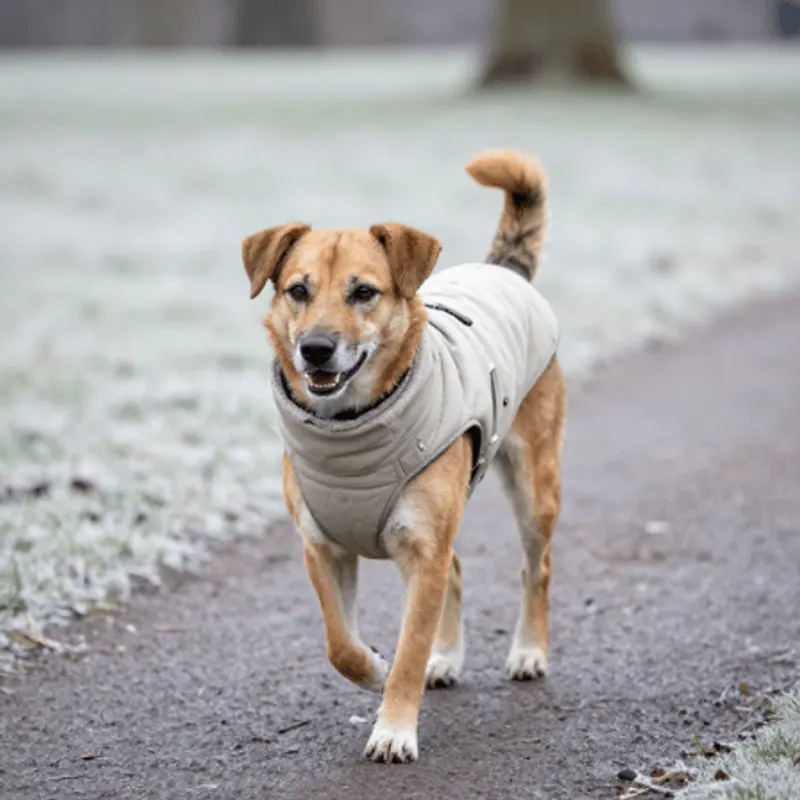






Protecting your dog from heatstroke in summer
How to recognise, prevent and respond to heatstroke in dogs, with vet-backed cooling first aid and summer safety tips
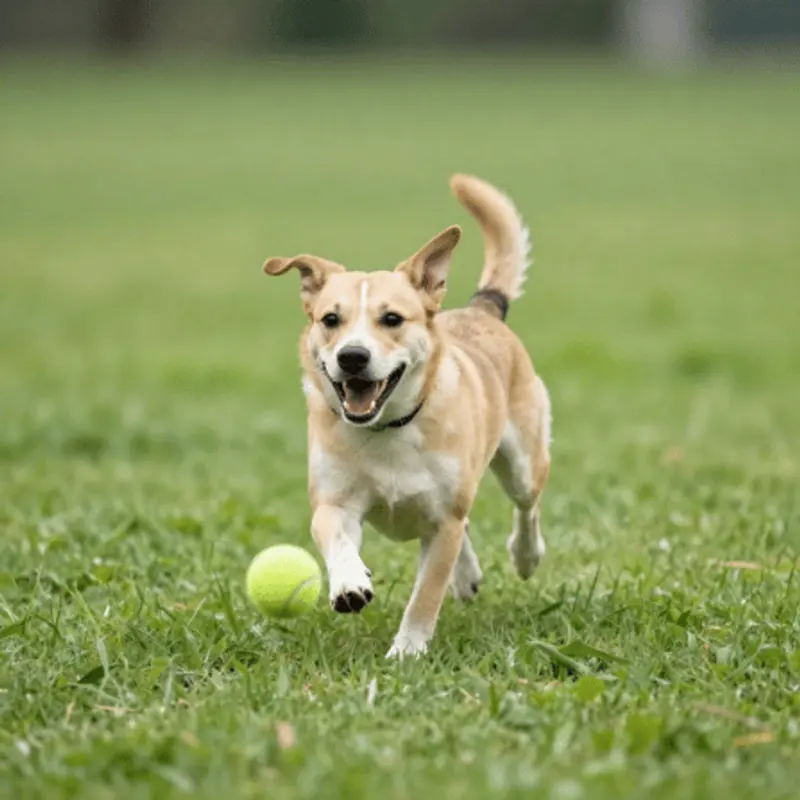
The quick answer
There's no single cut-off, but most vets and charities recommend caution once temperatures reach the low twenties Celsius, especially for flat-faced, overweight, elderly or thick-coated dogs. Dogs Trust recommends the five-second tarmac test: if pavement is too hot for your hand, it's too hot for your dog's paws and generally too hot to walk.
Warm weather brings longer walks and lazy afternoons in the garden, but it also brings a real risk that every dog owner should understand: heatstroke. Unlike us, dogs can't sweat through their skin to cool down. They rely mainly on panting, which is a far less efficient system, so their body temperature can climb dangerously fast on a warm day, even one that doesn't feel especially hot to you.
The good news is that heatstroke is almost entirely preventable, and if it does happen, knowing what to do in the first few minutes can make the difference between a full recovery and a genuine emergency. This guide covers the risk factors, the warning signs, exactly what to do if you suspect heatstroke, and the everyday habits that keep dogs safe once the sun comes out.
None of this is about being overly cautious for the sake of it. Heatstroke is one of the most common warm-weather emergencies vets see, and it's also one of the most preventable, which makes it worth ten minutes of your time now.
What heatstroke actually is
Heatstroke happens when a dog's body temperature rises faster than they can regulate it, typically above around 39.5°C, though it's the rate and duration of the rise that causes the damage rather than a single number. As the body overheats, it starts to affect multiple organs at once. According to Vets Now, untreated heatstroke can rapidly lead to organ failure, brain injury, blood clotting problems and sepsis, which is why it's treated as a genuine veterinary emergency rather than something to monitor at home.
It isn't only exercise-related overheating you need to think about. Dogs can develop heatstroke from being left in a warm room with no ventilation, from travelling in a car even for a short stop, or simply from spending too long in direct sun without shade or water. The RSPCA notes that on a day that's just 22°C outside, a car can reach an unbearable 47°C within an hour, which is why leaving a dog in a vehicle is never safe, even with the windows cracked or parked in shade.
Which dogs are most at risk
Any dog can overheat given the wrong conditions, but some are far more vulnerable than others:
- Flat-faced (brachycephalic) breeds — Bulldogs, French Bulldogs, Pugs and similar breeds have airways that make panting far less effective. The Kennel Club specifically lists Chow Chows, French Bulldogs and Pugs among the breeds most at risk, and PDSA data shows British Bulldogs are 14 times more likely to develop heatstroke than Labradors.
- Overweight dogs — extra body fat acts as insulation, trapping heat, and also increases the physical effort of everyday movement.
- Puppies and senior dogs — both groups are less able to regulate their own temperature effectively.
- Dogs with thick or double coats — breeds built for cold climates struggle to shed heat efficiently.
- Dogs with heart or respiratory conditions — anything that already limits breathing efficiency raises the risk further.
- Giant breeds — PDSA notes that very large dogs are also more prone to heatstroke, likely due to the extra muscle mass generating more heat during activity.
If your dog falls into more than one of these categories, it's worth being especially cautious during warm spells, and considering shorter, gentler exercise even on days that don't feel extreme to you.
Recognising the warning signs
Heatstroke tends to progress in stages, and catching it early gives you the best chance of a straightforward recovery. PDSA groups the signs roughly as follows.
Early or mild signs: - Heavy panting, even at rest - Rapid breathing - Low energy or reluctance to move
Moderate signs: - Excessive drooling or foaming at the mouth - Vomiting or diarrhoea - Red or unusually pale gums and tongue - Shaking or visible weakness
Severe signs — treat as an emergency: - Collapse - Confusion or disorientation - Seizures - Loss of coordination - Bloody vomit or stool
The RSPCA also highlights dehydration signs to watch for, including a dry nose, sunken-looking eyes, and infrequent urination, alongside a noticeably rapid heartbeat. If you notice any combination of these signs after exercise, a car journey, or simply time spent in the sun, don't wait to see if your dog improves on their own. Start cooling immediately and get veterinary advice.
Vets Now research shows that dogs cooled before they arrive at the vet are 2.5 times more likely to survive heatstroke, which is why fast, correct first aid at home genuinely saves lives.
What to do if you suspect heatstroke
The RSPCA's guiding principle is simple: cool first, transport second. Rushing straight to the car without cooling your dog down first can actually cost precious time, because the vehicle itself may still be warm and the journey delays the cooling process.
1. Move your dog out of the heat immediately — into shade, indoors, or anywhere cooler and better ventilated. 2. Start cooling straight away. Pour cool (not ice-cold) water over their body, focusing on the neck, stomach and inner thighs, and avoiding the head. Vets Now describes soaking the fur with a hose or shower and then directing a fan at the dog as an effective combined approach, using evaporation to speed up cooling. 3. If your dog is young, fit and conscious, Dogs Trust advises that immersion in cool water, such as a paddling pool, can be an effective way to bring their temperature down quickly, keeping their head above the water at all times. 4. For older dogs or those with existing health conditions, a gentler approach is safer: spray or sponge with room-temperature water rather than fully immersing them, and pair this with a breeze from a fan or open windows. 5. Avoid covering your dog with a wet towel. Both the RSPCA and Dogs Trust warn that a damp towel laid over a dog's body can actually trap heat rather than release it. If you use towels, they should go underneath the dog, not over the top. 6. Offer small amounts of cool water to drink, but never force your dog to drink, and never pour water directly down their throat. 7. Contact your vet immediately, even if your dog seems to be improving. Heatstroke can cause internal damage that isn't obvious from the outside, and vets often want to check bloodwork and monitor a dog for 24 to 48 hours afterwards. 8. Once your dog's temperature has started to come down, transport them to the vet in a cool, well-ventilated vehicle, ideally with the air conditioning running.
Vets Now suggests that if you're able to take your dog's temperature, you should stop active cooling once it reaches around 39–39.5°C, since the temperature will keep falling naturally for a short while after you stop. Continuing to cool beyond this point risks tipping your dog into hypothermia instead.
Preventing heatstroke on hot days
Prevention is far less stressful than treatment, and most of it comes down to a handful of consistent habits.
Time your walks carefully
Walk during the cooler parts of the day, early morning or late evening, and avoid exercise altogether during the hottest hours of a heatwave. Dogs Trust recommends the five-second tarmac test: press the back of your hand onto the pavement for five seconds. If it's too hot for your hand, it's too hot for your dog's paws, and it's also a good sign the air temperature is too high for exercise generally. If you want help planning realistic exercise levels for your dog's age and breed, our Dog Walking Calculator can help you gauge how much activity is appropriate.
Always provide water and shade
Make sure your dog has constant access to fresh, cool water, both at home and on walks. Bring a travel bowl and extra water with you whenever you're out. Blue Cross advises keeping bowls topped right up and even adding ice cubes to help keep water cooler for longer. At home, make sure there's a shaded spot your dog can retreat to at any point in the day, whether that's indoors or under a tree in the garden.
Never leave a dog in a car
This bears repeating because it remains one of the most common causes of preventable heatstroke deaths. A car can go from comfortable to dangerous in minutes, even with a window cracked open and even on days that don't feel particularly hot. If you see a dog showing signs of heatstroke in a car, the RSPCA's advice is to call 999 immediately and stay with the dog while help is on its way.
Adjust for coat and body condition
Dogs with thick or double coats benefit from regular grooming to remove excess undercoat during warmer months, which helps them regulate their temperature more effectively. PDSA also suggests that keeping your dog at a healthy weight reduces heatstroke risk significantly, since excess body fat makes it harder for a dog to dissipate heat. If you're unsure whether your dog is carrying extra weight, our Pet Calorie Calculator can help you check their daily needs are on track.
Use the right equipment
Swap a collar for a well-fitted harness during hot weather walks. Pressure on the neck from a collar and lead can restrict a dog's airway just enough to make panting less effective, exactly when they need it working at its best.
Know your dog's personal limits
A fit young Labrador and an elderly flat-faced dog have very different tolerances for heat, even on the same walk. Get to know how your individual dog responds to warm weather, and err on the side of caution with older dogs, puppies, and any dog with an existing heart, lung or weight-related condition.
Common mistakes to avoid
- Assuming shade alone is enough in a parked car. Shade moves throughout the day, and a car's interior can still climb rapidly even when parked under a tree.
- Waiting to see if symptoms pass. Heatstroke escalates quickly. Start cooling at the first sign rather than waiting for it to become severe.
- Using ice-cold water for cooling. Very cold water can cause blood vessels near the skin to constrict, which can actually slow heat loss from the body's core. Cool tap-temperature water is more effective.
- Covering your dog with a wet towel and leaving it there. As above, this traps heat rather than releasing it, unless the towel is regularly re-soaked or placed underneath the dog instead.
- Skipping the vet visit once your dog seems fine. Internal effects of heatstroke, including organ stress, aren't always visible externally, and your vet may want to run checks even after a dog appears to have recovered.
When to see your vet
Any dog showing moderate or severe heatstroke signs, such as collapse, confusion, seizures, vomiting, diarrhoea, or bloody stool, needs urgent veterinary attention, alongside cooling first aid on the way. Even if your dog seems to recover quickly after cooling down, it's worth calling your vet for advice, since they may recommend monitoring at home for the following 24 to 48 hours or bringing your dog in for a check. Contact your vet straight away if your dog develops any new symptoms during that recovery window, including reduced appetite, ongoing vomiting or diarrhoea, or unusual lethargy.
*This is general guidance, not a substitute for advice from your vet, who can assess your individual pet.*
Sources
- PDSA — heatstroke in dogs: symptoms, risk factors and first aid (pdsa.org.uk).
- RSPCA — how to recognise and treat heatstroke in dogs (rspca.org.uk).
- RSPCA — dogs in hot cars, temperature risks and emergency action (rspca.org.uk).
- Vets Now — first aid for heatstroke in pets (vets-now.com).
- The Kennel Club — heatstroke in dogs, breed risk factors and prevention (royalkennelclub.com).
- Dogs Trust — caring for your dog in hot weather (dogstrust.org.uk).
Common questions
What temperature is too hot to walk my dog?
There's no single cut-off, but most vets and charities recommend caution once temperatures reach the low twenties Celsius, especially for flat-faced, overweight, elderly or thick-coated dogs. Dogs Trust recommends the five-second tarmac test: if pavement is too hot for your hand, it's too hot for your dog's paws and generally too hot to walk.
How quickly can heatstroke happen in a dog?
Very quickly. A dog can start to overheat within minutes of strenuous exercise in warm weather, or within a similarly short time left in a parked car, which the RSPCA notes can reach dangerous temperatures even on a mild day. Fast action at the first signs makes a real difference to recovery.
Should I wrap my dog in a wet towel if I think they have heatstroke?
Not over their body. Both the RSPCA and Dogs Trust warn that a wet towel laid over a dog can trap heat rather than release it. Pour or spray cool water directly onto the neck, stomach and thighs instead, or place a soaked towel underneath your dog.
Which dog breeds are most at risk of heatstroke?
Flat-faced (brachycephalic) breeds such as Bulldogs, French Bulldogs and Pugs are at significantly higher risk because their airways make panting less effective, along with giant breeds, overweight dogs, puppies, senior dogs and those with thick double coats.
Is heatstroke in dogs always fatal?
No, but it is a serious emergency. Vets Now research shows dogs cooled correctly before reaching the vet are 2.5 times more likely to survive. Quick cooling first aid followed promptly by veterinary care gives most dogs a good chance of a full recovery.
About the author
Matt Garnett — founder, Giddy Pets
Matt started Giddy Pets to make getting pets the good stuff simpler and fairer. Everything in these guides comes from real life with pets and a lot of trial and error — it's practical guidance, not veterinary advice. If a guide gets something wrong, tell him directly.
Advice & planning
Free tools & more guides
Practical calculators and trusted guides relevant to this product.
Read next
How to keep your dog safe in summer
Practical, vet-backed guidance on heatstroke prevention, hot pavements, car safety and hydration for keeping dogs safe in warm weather
Parasite Prevention for Dogs & Cats in the UK: Fleas, Ticks, Worms & Lungworm
Cruciate Ligament Injury in Dogs: Signs, Treatment and Recovery