






Dog health: common conditions and warning signs every owner should know
A vet-sourced guide to the most common dog health conditions, everyday symptoms, and the emergencies that need same-day care

The quick answer
UK veterinary research shows dental disease is one of the most frequently diagnosed problems in dogs, alongside being overweight and skin complaints. It's easy to miss because dogs rarely stop eating even when their mouth is sore, so bad breath or brown tartar build-up are often the first visible clues.
Every dog owner ends up, sooner or later, googling a symptom at 11pm. A limp, a bit of sickness, a smell from the ears that wasn't there last week — most of the time it's nothing serious, and most of the time it's one of a fairly short list of conditions that vets see again and again. Knowing what's common, what's genuinely urgent, and what simply needs keeping an eye on takes a lot of the panic out of those moments.
This guide walks through the health conditions UK vets diagnose most often, the everyday symptoms worth understanding properly (vomiting, diarrhoea, itching, stiffness), and the smaller number of true emergencies that need a vet the same day. None of it replaces a proper examination — a vet who can actually put hands on your dog will always know more than a list on a screen — but it should help you recognise patterns, ask better questions, and know when "wait and see" is the right call and when it isn't.
The conditions vets diagnose most often
Large-scale UK veterinary data gives a genuinely useful steer here, rather than guesswork. Research from the Royal Veterinary College's VetCompass programme, which analyses anonymised clinical records from primary-care vet practices across the country, found that dental disorder, being overweight or obese, and anal sac disorder were among the most commonly diagnosed problems in UK dogs. When the researchers weighted conditions by how long they affect a dog and how severe they are, dental disease and osteoarthritis came out as having the single biggest impact on welfare over a dog's lifetime — not because they're dramatic, but because they're common, often under-treated, and go on for a long time once they take hold.
PDSA's own list of the conditions it sees most often in practice broadly lines up with this: skin problems, diabetes, arthritis, epilepsy and seizures, vomiting, Cushing's disease, wounds and injuries, hypothyroidism, hyperthyroidism, and hip dysplasia all feature. A few of these deserve a closer look, because the early signs are easy to miss or easy to write off as "just getting older."
Dental disease: the most common problem of all
Dental disease consistently comes out as the single most frequently diagnosed condition in UK dogs, and one of the most damaging over time precisely because it's so easy to overlook. Dogs rarely stop eating just because their mouth hurts, so bad breath, brown build-up along the gumline, or reluctance to chew on one side can go unnoticed for months. Left untreated, the bacteria involved don't stay in the mouth — they can affect the heart, kidneys and liver over time.
Daily brushing with a dog-specific toothpaste is the single most effective thing an owner can do, alongside dental chews and regular vet checks of the teeth and gums. If your dog's breath has changed, they're pawing at their face, or they've gone off harder food, it's worth a dental check rather than putting it down to age.
Obesity and weight-related illness
Carrying extra weight is one of the most common — and most preventable — health issues in UK dogs. Vets consistently report that a significant proportion of the dogs they see are overweight, and it's linked to arthritis, diabetes, urinary problems, breathing difficulties, back problems, and a shorter life expectancy overall. Labradors, Golden Retrievers, Pugs, Cocker Spaniels and Cavalier King Charles Spaniels are among the breeds most often affected.
Part of the problem is perception: many owners genuinely don't realise their dog is carrying extra weight, because gradual gain is hard to spot day to day. A regular weigh-in, either at home or at a free vet-nurse clinic, and an honest look at how many treats are going into the daily total, is a good habit. Our Pet Calorie Calculator can help you work out a sensible daily intake for your dog's size, age and activity level as a starting point — though a vet or vet nurse can give a plan tailored to your individual dog, especially if weight loss needs to happen gradually and safely.
Nearly half of UK dogs are thought to be overweight or obese, according to veterinary professionals — and most owners don't realise it until a vet points it out.
Skin problems and ear infections
Skin complaints are among the most common reasons dogs are brought to the vet, and the causes are wide-ranging: allergies (to food, fleas, or things in the environment), parasites, infections, and hormonal conditions can all show up as itching, redness, hair loss, or a change in coat quality. Ear problems often go hand in hand with skin issues, particularly in breeds with floppy ears or narrow ear canals, where warmth and moisture make infection more likely.
Signs to watch for include a dog shaking its head, scratching at one ear more than the other, a change in smell from the ears, or redness inside the ear flap. Persistent skin or ear problems are rarely a one-off — they tend to need a proper diagnosis (sometimes including allergy testing) rather than repeated short courses of treatment, because treating the symptom without finding the underlying trigger usually means it comes back.
Arthritis and joint pain
Osteoarthritis is very common in older dogs, and in the VetCompass welfare research it was rated as the most severe condition tracked, affecting dogs for the vast majority of the year once diagnosed. It's caused by wear and inflammation in the joints, and while it's most often seen in senior dogs, being overweight or having a breed predisposition (hip or elbow dysplasia, for example) can bring it on earlier.
The early signs are easy to write off as "just slowing down": stiffness after rest, reluctance to jump into the car, slower on stairs, or a shorter walk before they seem to flag. Left unmanaged, arthritis pain tends to get worse and can affect mood and behaviour as well as mobility. There's a lot that can be done — weight management, joint supplements, pain relief, physiotherapy, and adapting exercise to little and often rather than one big walk — but it starts with recognising the early signs rather than assuming a dog has simply "got old."
Vomiting and diarrhoea: when it's nothing and when it's not
Vomiting is one of the most common reasons dogs see a vet, and the causes range from eating something disagreeable to much more serious problems like a twisted stomach, an obstruction, or organ disease. For an otherwise well dog who's sick once or twice and is bright, eating and drinking normally afterwards, PDSA's general guidance is that a short period of small, frequent, low-fat meals alongside plenty of water is usually enough, with food gradually built back up to normal over a couple of days.
That said, several signs mean the "wait and see" approach isn't appropriate:
- Repeated or continuous vomiting rather than a single episode
- Blood in vomit or diarrhoea
- Vomiting alongside lethargy, pain, or a swollen or tight-looking abdomen
- Diarrhoea that hasn't improved within a day or two
- Any sign your dog is dehydrated (gums that feel tacky rather than moist, skin that's slow to spring back when gently lifted)
If your dog has got into something they shouldn't have — chocolate, grapes or raisins, xylitol, or a human medication — treat it as urgent rather than waiting for symptoms to appear, since some poisonings are far easier to treat before they've been absorbed. Our Can My Pet Eat This? tool is a quick way to check whether something your dog has eaten is a genuine concern, though a vet or the emergency poisons advice line should always be your first call if you're worried.
Warning signs that something's wrong
Beyond the specific conditions above, it helps to know the general pattern of signs that something needs attention, because dogs can't tell us in words when they feel unwell. Dogs Trust guidance points to a cluster of everyday warning signs worth taking seriously: a change in eating habits, unexplained weight loss or gain, lethargy that doesn't lift, changes in toilet habits (straining, blood, or diarrhoea lasting more than a day), excessive hair loss or a dull coat, lumps or sore patches on the skin, eye discharge, ear discomfort, and any sudden change in behaviour.
Behaviour change is worth taking particularly seriously. A normally sociable dog becoming withdrawn, a settled dog becoming restless, or any dog suddenly reluctant to be touched in one area can all be early signs of pain or illness before anything more obvious shows up. Getting into the habit of a quick, calm once-over — running your hands over your dog's body, checking teeth, ears and paws — makes it much easier to notice when something's changed.
Emergencies: when minutes matter
Most health issues in dogs give you time to think, ring the vet, and make a plan. A small number don't. Vets Now, which runs out-of-hours emergency veterinary care across the UK, lists the situations where delay genuinely makes things worse:
- Gastric dilatation-volvulus (bloat) — a twisted, distended stomach, more common in deep-chested breeds. Early signs include restlessness after a big meal, unproductive retching, and a swelling abdomen; this is one of the most serious non-traumatic emergencies in dogs and needs immediate treatment.
- Difficulty breathing — wheezing, choking, shallow or open-mouth breathing.
- Collapse or sudden loss of strength.
- Seizures, particularly a first seizure, multiple seizures in 24 hours, or one that doesn't stop within a few minutes.
- Suspected poisoning, including chocolate, grapes/raisins, human medication, or rodent bait.
- Trauma from a road accident, fall, or fight — even if your dog seems fine afterwards, internal injuries aren't always obvious straight away.
- Straining to urinate with little or no urine produced, which can indicate a blockage and is especially urgent in male dogs.
- Eye injuries, since even a minor-looking scratch on the cornea can worsen quickly without treatment.
If any of these apply, the advice is consistent: don't wait to see if it settles down. Call your vet or the nearest emergency service straight away and follow their guidance on what to do while you get there.
Common mistakes owners make
A few patterns come up again and again in how owners (understandably) handle dog health issues. Waiting to see if a mouth odour or slight limp "goes away" often means a treatable early-stage problem becomes a more painful, more expensive one. Assuming a slower, stiffer older dog is "just getting old" rather than in pain from arthritis is another common one — dogs are stoic, and general slowing down is frequently pain that can be managed. Giving human medication without veterinary advice, even something as ordinary-seeming as paracetamol or ibuprofen, is genuinely dangerous, since many human drugs are toxic to dogs at doses that would be harmless to a person. And treating repeated skin or ear flare-ups with the same over-the-counter product each time, rather than getting to the bottom of what's triggering them, tends to mean the problem keeps coming back.
When to see your vet
As a general rule, contact your vet if your dog shows any of the following, and treat it as same-day urgent rather than routine if more than one applies at once: vomiting or diarrhoea lasting more than a day, blood in vomit, stool or urine, noticeable lethargy or reluctance to move, laboured breathing, a swollen abdomen, repeated head-shaking or ear scratching, a lump that's new or changing, sudden lameness, or any change in behaviour that isn't explained by something obvious. When in doubt, a phone call to your vet practice costs nothing and can quickly tell you whether it's a "come in now" situation or something to monitor over the next day or two.
*This is general guidance, not a substitute for advice from your vet, who can assess your individual pet.*
Sources
- PDSA — top 10 common dog health conditions (pdsa.org.uk).
- PDSA — vomiting in dogs: causes and care advice (pdsa.org.uk).
- PDSA — obesity in dogs (pdsa.org.uk).
- Vets Now — common pet emergencies and symptoms (vets-now.com).
- Dogs Trust — when to take your dog to the vet (dogstrust.org.uk).
- Royal Veterinary College VetCompass — health-related welfare prioritisation of canine disorders study, via PMC (pmc.ncbi.nlm.nih.gov).
Common questions
What is the most common health problem in dogs?
UK veterinary research shows dental disease is one of the most frequently diagnosed problems in dogs, alongside being overweight and skin complaints. It's easy to miss because dogs rarely stop eating even when their mouth is sore, so bad breath or brown tartar build-up are often the first visible clues.
How do I know if my dog's vomiting is serious?
A single episode of vomiting in a dog who is otherwise bright, eating and drinking normally usually settles with a short period of small, bland meals. It becomes a same-day vet matter if vomiting is repeated or continuous, contains blood, is accompanied by lethargy or a swollen abdomen, or your dog seems in pain.
What are the signs of bloat in dogs?
Bloat, or gastric dilatation-volvulus, can start with restlessness after a big meal, unproductive retching or attempts to vomit, and a visibly swelling abdomen. It progresses quickly and is one of the most serious non-traumatic emergencies in dogs, so it needs immediate veterinary attention rather than a wait-and-see approach.
Is my dog just getting old, or could it be arthritis?
Stiffness after rest, reluctance to jump in the car, and a shorter walk before tiring are classic early arthritis signs that are often mistaken for normal ageing. Dogs are stoic and rarely show pain obviously, so it's worth asking your vet to assess joint health rather than assuming slowing down is inevitable.
How can I tell if my dog needs to see a vet urgently?
Treat it as urgent if your dog has difficulty breathing, collapses, has a seizure, can't keep fluids down, strains to urinate with little result, has a swollen or painful abdomen, or has eaten something toxic. When in doubt, a quick call to your vet practice will tell you whether it needs same-day care.
About the author
Matt Garnett — founder, Giddy Pets
Matt started Giddy Pets to make getting pets the good stuff simpler and fairer. Everything in these guides comes from real life with pets and a lot of trial and error — it's practical guidance, not veterinary advice. If a guide gets something wrong, tell him directly.
Advice & planning
Free tools & more guides
Practical calculators and trusted guides relevant to this product.
Read next

Ten steps to a healthier dog
A practical, vet-sourced checklist covering diet, weight, exercise, vaccines, parasites, teeth, grooming, neutering and check-ups.
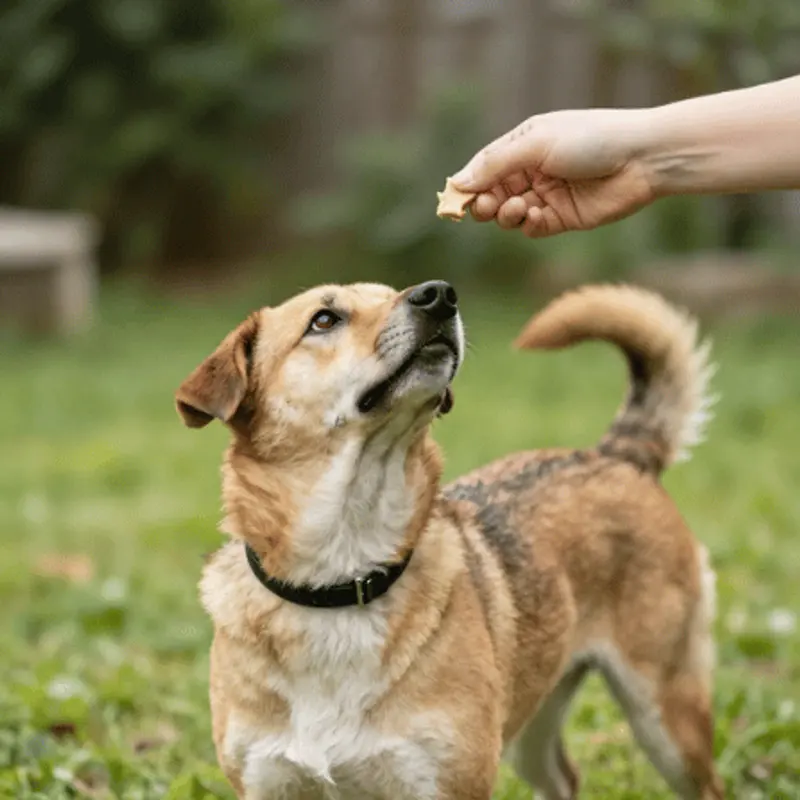
Why Is My Dog Limping? Common Causes and What to Do
A limp can be anything from a thorn in the paw to a serious injury. Here's how to check your dog safely, what to do at home, and when limping needs a vet.

Dog Bad Breath: What It Means and How to Fix It
Bad breath isn't just unpleasant — it's often a sign of dental disease. Learn the common causes, how to improve your dog's oral health, and when to see a vet.
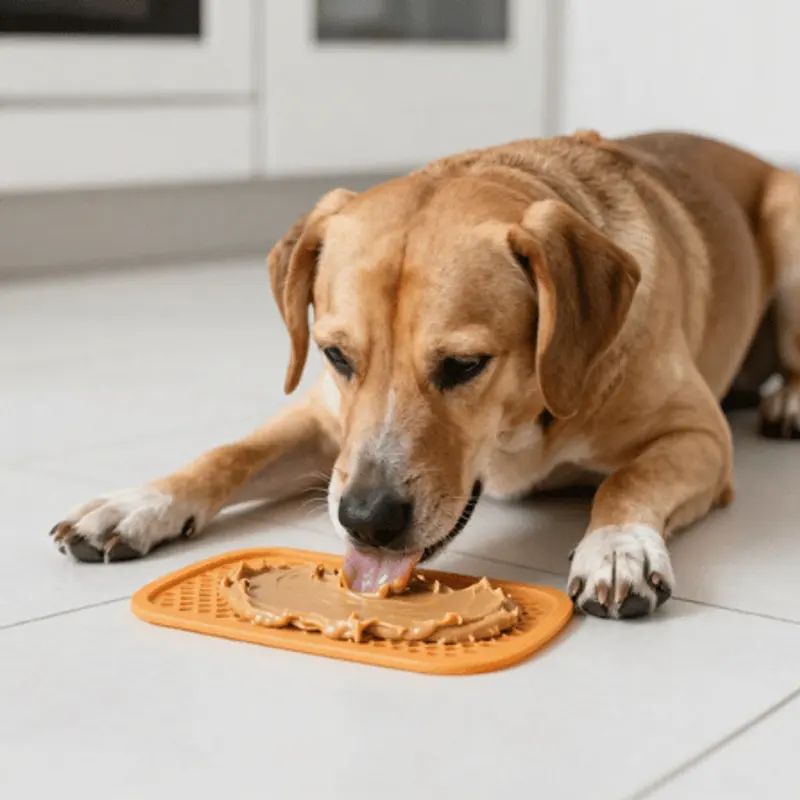
Acupuncture for dogs: does it work?
What canine acupuncture involves, the conditions vets use it for, and what the research evidence actually shows