


Dog Breeds That Feel the Cold Most (UK Guide)
The quick answer
The dogs most sensitive to cold are thin-coated, single-coated, small, lean or flat-faced breeds: greyhounds, whippets, Italian greyhounds, chihuahuas, miniature pinschers, French bulldogs, boxers, dobermanns, dalmatians, Chinese crested and toy breeds. They lose heat fast and have little body fat to insulate them. Below about 7°C many need a coat, and below freezing walks should be short.
Mentioned in this guide

High-Neck Waterproof Dog Raincoat
A lightweight high-neck waterproof raincoat with reflective trim for safer wet-weather walks. The shower-proof shell keeps your dog dry while the snug collar blocks out wind and rain.
From£14.99

Soft Monogram Fleece Dog Jumper
A plush fleece-lined dog jumper with an all-over monogram print and a cosy roll neck.
£11.99

Neoprene Dog Paw Protector Boots
Water-resistant neoprene paw boots with a reinforced sole and velcro strap — available in 8 sizes for all breeds.
From£7.99
Some dogs bound out into a frost and don't notice it. Others start shivering the moment the temperature drops, lift their paws off the cold pavement and beg to come back in. That difference is mostly down to breed — specifically coat type, body size, build and face shape. If your dog is one of the cold-sensitive types, a bit of planning makes winter far more comfortable.
Here's which UK breeds feel the cold most, the science behind why, and exactly how to keep them warm without fussing over dogs that don't need it.
Why some dogs feel the cold and others don't
Four things decide how well a dog copes with cold, and most sensitive breeds tick more than one box.
- Coat type. Double-coated breeds (huskies, malamutes, German shepherds) have a dense insulating undercoat that traps warm air. Single-coated breeds have no undercoat at all, so they lose heat quickly. A thin, short single coat is the biggest single risk factor.
- Body size. Small dogs have a large surface area relative to their body mass, so they shed heat faster. They're also closer to cold, wet ground. The Vets Now winter guide flags small dogs, puppies and elderly dogs as the groups most likely to struggle.
- Body fat and build. Lean, athletic breeds like sighthounds carry very little insulating fat. A greyhound is essentially skin, muscle and bone under a whisper-thin coat.
- Face shape. Flat-faced (brachycephalic) breeds such as French bulldogs and pugs can find it harder to warm the air they breathe, and cold air can aggravate their already-restricted airways.
Age and health matter too. Puppies can't regulate their temperature well, older dogs feel the cold more, and the PDSA notes that cold weather can worsen arthritis and joint stiffness, which affects how willing an older dog is to move on icy ground.
The dog breeds most sensitive to cold
These are the breeds UK owners most often find need extra help in winter, grouped by the reason they feel it.
Thin-coated sighthounds
- Greyhound — lean, single thin coat, almost no body fat. Retired racing greyhounds are common in UK homes and famously hate the cold.
- Whippet — the same build in miniature, and often even more sensitive.
- Italian greyhound — tiny, fine-boned and thin-skinned; one of the least cold-tolerant breeds there is.
Small and toy breeds
- Chihuahua — small body, low mass and (in the smooth variety) a very thin coat. Notorious shiverers.
- Miniature pinscher and toy terriers — small, fine coats, little insulation.
- Yorkshire terrier — a single silky coat with no woolly undercoat.
- Miniature schnauzer — a wiry coat that's often clipped short, leaving little protection in winter.
Flat-faced breeds
- French bulldog, pug and Boston terrier — short single coats plus brachycephalic airways, a double disadvantage in cold, damp weather.
- Boxer — larger, but short-coated, lean and flat-faced.
Large but thin-coated breeds
Size alone doesn't keep a dog warm. Several big breeds feel the cold because their coats are short and fine:
- Dobermann — sleek, single, short coat and a lean build.
- Dalmatian — short coat, minimal undercoat.
- Weimaraner and vizsla — athletic gun dogs with fine short coats.
- Great Dane — huge, but short-coated and not built for standing around in the cold.
Hairless and near-hairless breeds
- Chinese crested and Xoloitzcuintle — for obvious reasons, these need protection any time it's cool.
A quick rule of thumb: if you can see the shape of the muscle through the coat, or the dog is small enough to sit in your lap, assume it will feel the cold and plan accordingly.
Puppies, seniors and poorly dogs feel it more
Breed is only half the story. Whatever the coat, a young puppy hasn't developed proper temperature control yet, so it chills far faster than an adult of the same breed. At the other end, older dogs lose condition and often carry less muscle, and a dog recovering from illness or surgery has fewer reserves to spare on staying warm. A double-coated senior with arthritis can end up needing as much winter care as a young greyhound. Judge the dog in front of you, not just the breed on paper.
At what temperature do these dogs need help?
There's no single magic number, but the Vets Now guidance gives a sensible UK framework based on size and coat:
| Temperature | Cold-sensitive dogs (small, thin-coated, lean, flat-faced) |
|---|---|
| 7°C and below | Many will want a coat; watch small and thin-coated dogs |
| 1°C to -4°C | Potentially unsafe — keep walks short, use a coat |
| -4°C to -9°C | Can be life-threatening for small dogs, especially if wet |
| Below -9°C | Toilet breaks only for vulnerable dogs; avoid long walks |
Wet and windy makes everything worse. A damp coat loses its insulating value fast, and wind strips away the warm layer of air next to the skin, so a breezy 4°C can feel far colder than a still, dry 0°C. The RSPCA suggests keeping indoor temperatures between 10°C and 25°C so susceptible dogs stay comfortable at home too.
Signs your dog is too cold
Dogs can't tell you they're freezing, so watch the body language. Early signs a walk needs to end:
- Shivering or trembling
- Lifting or holding up paws
- Tucking the tail and hunching the body
- Whining, slowing down or stopping
- Reluctance to carry on, or trying to turn for home
More serious signs of hypothermia — which the RSPCA lists as drowsiness, pale gums, loss of coordination and collapse — mean you should warm your dog gradually and ring a vet straight away. Don't use direct heat like a hairdryer or radiator; wrap them in blankets and warm slowly.
How to keep a cold-sensitive dog warm
Get the coat right
A winter coat isn't a fashion statement for these breeds — it's practical insulation. The trick is fit. A coat that's too loose lets cold air in and can rub; too tight and it restricts movement.
How to measure for a dog coat: 1. Length — measure along the spine from the base of the neck (where a collar sits) to the base of the tail. This is the number most sizing charts use. 2. Chest/girth — measure around the widest part of the chest, just behind the front legs. 3. Neck — measure around the base of the neck.
For deep-chested sighthounds, look for coats cut specifically for the breed, as standard rectangular coats gape at the chest. Waterproof, fleece-lined coats give the most warmth for British drizzle. A good coat should cover from the neck to the base of the tail and wrap around the belly on the most sensitive dogs.
Protect the paws
Rock salt and grit irritate paws and are toxic if licked off. The PDSA recommends washing paws after walks and keeping the hair between the pads trimmed so ice balls don't form. Boots help thin-skinned dogs on gritted pavements and frozen ground, though many dogs need a few practice sessions indoors to accept them. Our guide on cracked dog paw pads covers repair and prevention.
Warm up the home
Cold-sensitive dogs feel draughts. Raising the bed off the floor and away from doors makes a real difference, and the PDSA specifically recommends raised beds and extra blankets for older dogs. A warm, thick bed in a draught-free corner is often more valued than any gadget.
Adjust the routine
- Swap one long walk for two or three short ones on bitter days.
- Go out in the warmest part of the day rather than early morning or late evening.
- Dry your dog thoroughly the moment you're back in.
- For very small or hairless dogs, indoor games can replace outdoor exercise when it's dangerously cold.
Common mistakes owners make
- Assuming a big dog is a warm dog. A short-coated great dane or dobermann feels the cold more than a small but double-coated pomeranian.
- Leaving the coat wet. A soaked coat chills a dog faster than no coat at all. Have a dry one to change into.
- Buying on size label alone. "Medium" varies wildly between brands — always measure.
- Forgetting the belly. Thin-skinned dogs lose a lot of heat from an exposed underside, especially on wet ground.
- Ignoring arthritis. Cold stiffens sore joints. If an older dog is slowing down in winter, it may be pain, not just the cold — worth a vet check.
Which dogs don't need a coat
Just as important: don't overheat a breed built for cold. Double-coated northern breeds — Siberian huskies, Alaskan malamutes, Samoyeds — and heavily coated dogs like Bernese mountain dogs, Newfoundlands and St Bernards are insulated by nature and generally cope well in cold British winters. Putting a coat on these can flatten the undercoat that keeps them warm and, in milder weather, cause overheating. When in doubt, watch the individual dog rather than the label — but as a rule, if your dog has a thick, woolly undercoat, it almost certainly doesn't need help from you.
Curious how your breed's winter needs fit into its overall care and cost? Our breed cost guides cover the day-to-day, including the chihuahua, miniature schnauzer and dobermann. And for the opposite season, see keeping your dog cool in summer.
Sources
Common questions
What dog breeds are most sensitive to cold?
Thin-coated, small, lean and flat-faced breeds feel the cold most: greyhounds, whippets, Italian greyhounds, chihuahuas, miniature pinschers, Yorkshire terriers, French bulldogs, pugs, boxers, dobermanns, dalmatians, great Danes and hairless breeds like the Chinese crested. They lose heat fast and have little insulation.
At what temperature do dogs get cold?
For cold-sensitive dogs, 7°C and below is when many start to want a coat. Between 1°C and -4°C is potentially unsafe for small, thin-coated, elderly or flat-faced dogs, and below -4°C can be life-threatening for small dogs, especially if they're wet. Wind and rain make any temperature feel colder.
Do greyhounds and whippets really need coats?
Yes. Sighthounds have single thin coats and almost no body fat to insulate them, so they feel the cold more than most breeds. A well-fitted, ideally waterproof coat cut for their deep chest makes winter walks far more comfortable and is genuinely practical, not just decorative.
How do I measure my dog for a winter coat?
Measure three things: the spine length from the base of the neck to the base of the tail, the chest girth around the widest part just behind the front legs, and the neck circumference. Use the spine length as your main sizing figure, and choose breed-specific cuts for deep-chested dogs.
Are flat-faced dogs like French bulldogs bad in the cold?
They struggle more than most. Brachycephalic breeds have short single coats and restricted airways, so cold, damp air is harder for them to warm and can aggravate breathing. Keep walks short in freezing weather, use a warm coat and dry them off promptly.
How can I tell if my dog is too cold on a walk?
Watch for shivering, lifting paws off the ground, a tucked tail, hunching, whining, slowing down or trying to turn for home. Get them somewhere warm if you see these. Drowsiness, pale gums, wobbliness or collapse are signs of hypothermia and need a vet straight away.
Which dogs don't need a winter coat?
Double-coated northern and mountain breeds — Siberian huskies, Alaskan malamutes, Samoyeds, Bernese mountain dogs, Newfoundlands and St Bernards — are well insulated and usually cope fine in British winters. A coat can flatten their protective undercoat, so most don't need one.
About the author
Matt Garnett — founder, Giddy Pets
Matt started Giddy Pets to make getting pets the good stuff simpler and fairer. Everything in these guides comes from real life with pets and a lot of trial and error — it's practical guidance, not veterinary advice. If a guide gets something wrong, tell him directly.
Advice & planning
Free tools & more guides
Practical calculators and trusted guides relevant to this product.
Read next
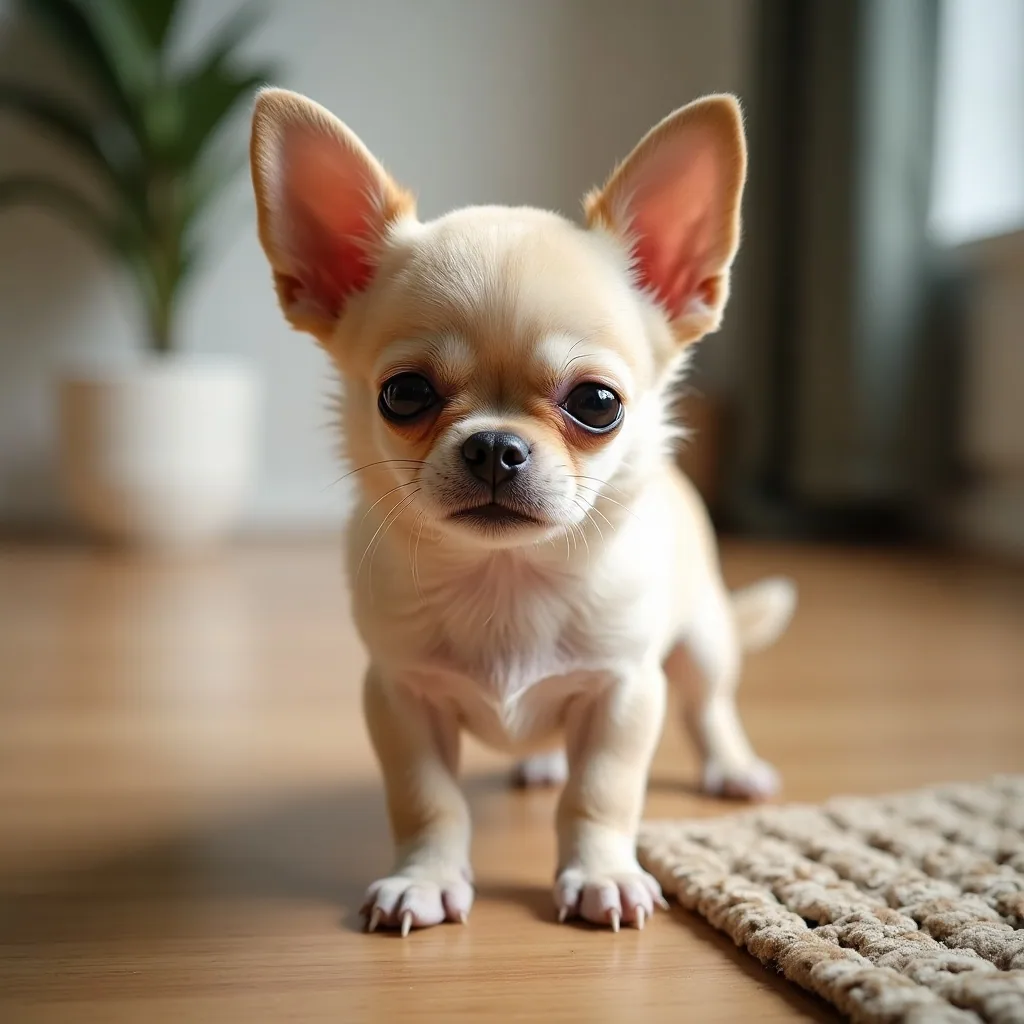
Chihuahua Cost to Keep in the UK
What a Chihuahua really costs in the UK — purchase price, monthly food, insurance, dental and vet care, plus the lifetime cost of this long-lived little breed.
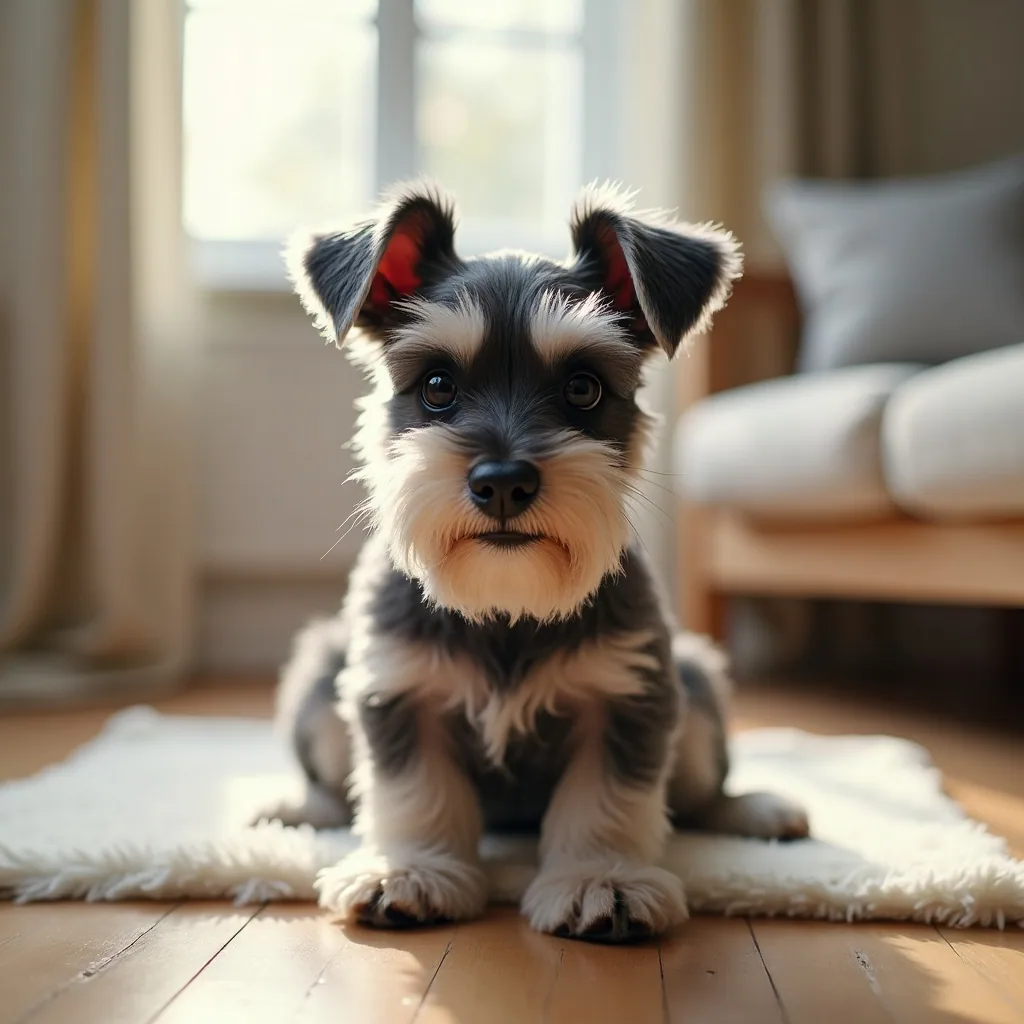
Miniature Schnauzer Cost to Keep (UK)
What does a Miniature Schnauzer cost to keep in the UK? Purchase price, food, insurance, regular grooming and vet care — the realistic ongoing budget.
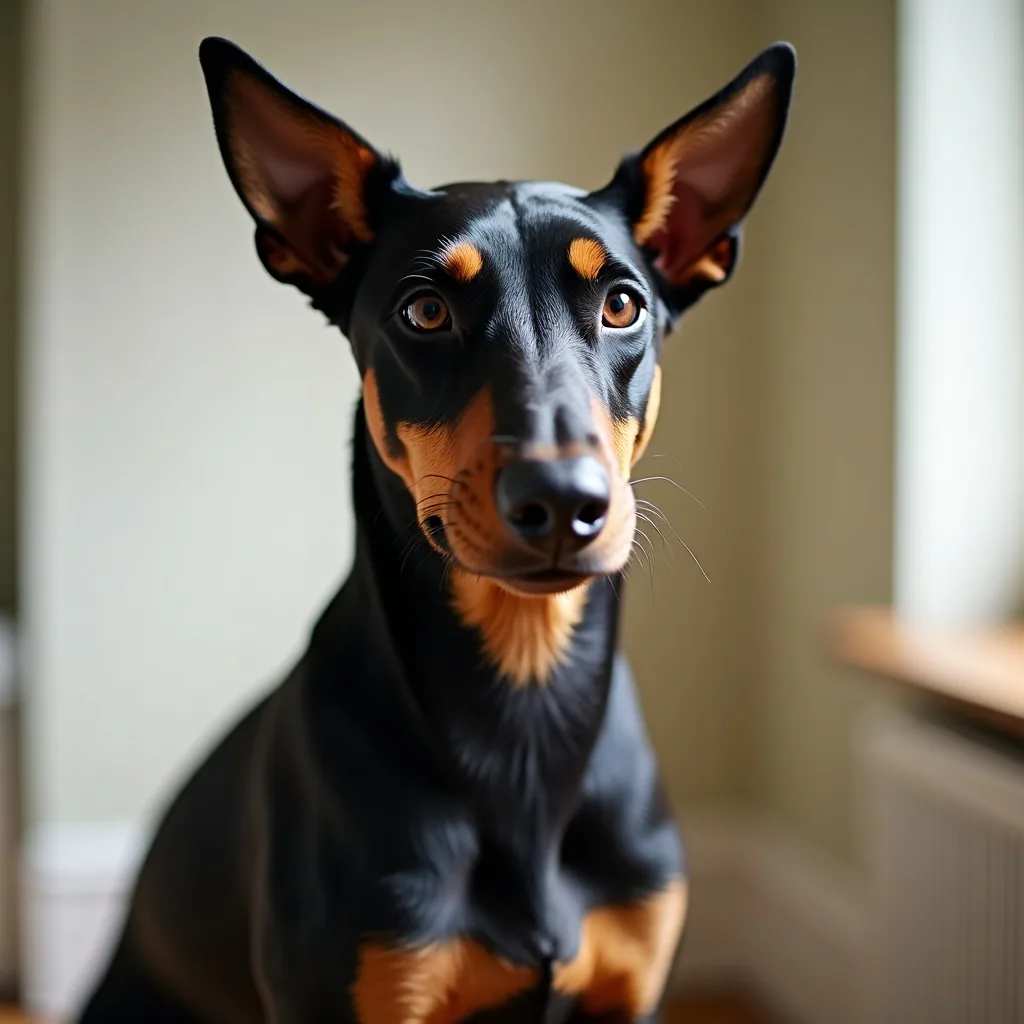
How Much Does a Dobermann Cost to Keep in the UK?
What a Dobermann really costs in the UK — purchase price, food, insurance and vet care — plus the heart-screening costs that are unique to this breed.
How Cold Is Too Cold to Walk a Dog?
A rough temperature guide by size and coat, plus the factors that matter more than the number on the thermometer.