
Australian Cattle Dog UK Guide: Red & Blue Heeler
The quick answer
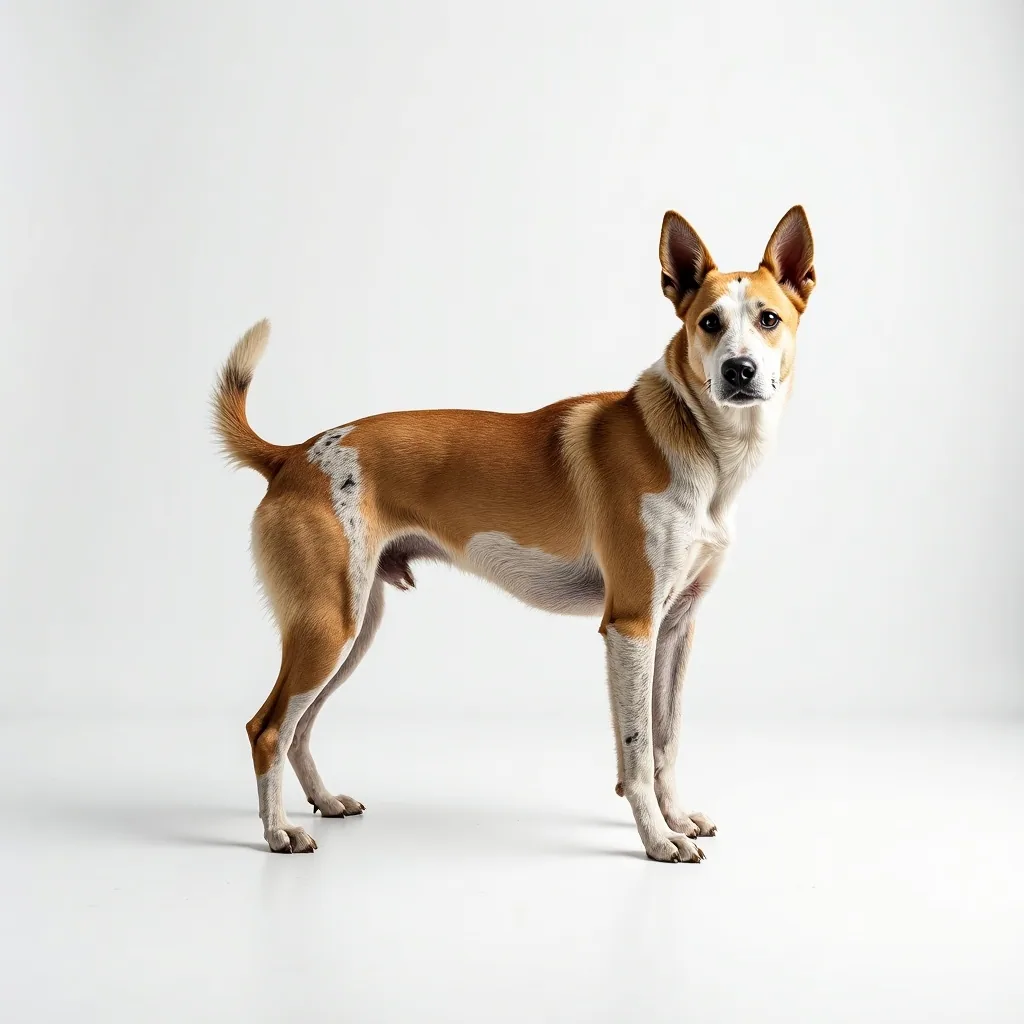
The Australian Cattle Dog, or Heeler, is a medium, muscular herding breed. The blue form is the Blue Heeler and the red form the Red Heeler. Kennel Club standard height is 46-51cm (dogs) and 43-48cm (bitches). They need more than two hours of exercise a day plus real mental work, and suit active, experienced owners rather than first-time or low-activity homes.
Mentioned in this guide

Large Deshedding Rake For Dogs
A large rake-style deshedding tool that pulls loose undercoat from thick-coated breeds like Golden Retrievers, Huskies and German Shepherds. Regular use cuts shedding and leaves the coat smoother and healthier.
£9.99
The Australian Cattle Dog is one of the most capable working dogs you can own, and one of the easiest to get wrong. Bred to move stubborn cattle across huge Australian stations, it arrives in a UK living room with the same drive, stamina and problem-solving brain, whether or not there's a herd to move. Get the exercise and training right and you have a brilliant, devoted companion. Get it wrong and that intelligence turns on your skirting boards, your postman and your sanity.
You'll see the same dog under several names. "Australian Cattle Dog" is the formal Kennel Club title. "Blue Heeler" and "Red Heeler" describe the two coat colours, and "heeler" comes from the breed's habit of nipping at cattle heels to drive them. They are all the same breed.
Blue Heeler vs Red Heeler: what's the difference?
Colour, and nothing else. The Australian Cattle Dog comes in two forms recognised by the Kennel Club standard:
- Blue — blue, blue-mottled or blue-speckled, sometimes with black, blue or tan markings.
- Red — an even red speckle all over, including the undercoat, sometimes with darker red markings on the head.
Puppies of both colours are born almost white (a trait inherited from Dalmatian ancestors) and develop their adult speckling over the first few weeks. Coat colour has no bearing on temperament or trainability. It does, however, have a link to one health risk, which is covered below.
Temperament and personality
The Kennel Club breed standard describes the Australian Cattle Dog as "alert, intelligent, watchful, courageous, trustworthy, devoted to its work." That last phrase matters most. This is a dog that wants a job, and if you don't supply one it will invent its own.
In practice, owners tend to describe three consistent traits:
- Loyalty to the point of Velcro. Heelers bond hard with their person and like to be near them. Many will follow you room to room. They are not aloof.
- Natural wariness of strangers. The standard notes the breed is suspicious of people it doesn't know. Early, positive socialisation is not optional; without it, wariness curdles into reactivity.
- A herding instinct that doesn't switch off. The urge to chase and nip at moving things extends to joggers, cyclists, cars and, notably, children's heels. It's a manageable trait, but you have to actively manage it.
They are affectionate and often excellent with the children of their own family, but like any dog they should never be left unsupervised with young children, partly because of that heel-nipping drive around fast movement and squealing.
Exercise: the part most people underestimate
The Kennel Club lists the Australian Cattle Dog's exercise needs as more than two hours a day. Treat that as a floor, not a ceiling, and understand that a heeler measures a good day in mental effort as much as miles.
Two hours of lead-walking round the same block will not satisfy this dog. What does work is a mix:
- Off-lead running or structured fetch where it's safe and legal to do so
- Scent work, trick training and puzzle feeding to tire the brain
- A canine sport — the breed excels at agility, flyball, obedience and herding trials
A common owner mistake: assuming a big garden replaces exercise. It doesn't. A bored Heeler with a garden simply patrols the fence, barks at everything that passes and digs. Structured activity with you is what settles them.
A well-exercised Australian Cattle Dog is calm and biddable indoors. An under-exercised one is where the horror stories come from: destructiveness, obsessive behaviours, nipping and relentless barking. If your weeks are genuinely busy and largely sedentary, this is the wrong breed, and it's kinder to admit that before you buy.
Is a Heeler right for your home? An honest checklist
This breed suits some households brilliantly and makes others miserable. Run through this before committing:
| Good fit if you… | Reconsider if you… |
|---|---|
| Are active daily, in all weather | Want a dog that's happy with a short daily stroll |
| Have owned or trained a dog before | Are a first-time owner |
| Enjoy training and dog sports | See training as a chore |
| Are home a lot, or can take the dog with you | Leave a dog alone 8+ hours regularly |
| Have older, dog-savvy children or none | Have toddlers and no time to manage herding drive |
| Want a working partner | Want a low-maintenance companion |
They can live perfectly well in a UK suburban house, despite the rural image, provided the exercise and mental stimulation are there. Space isn't the issue; stimulation is.
Training an Australian Cattle Dog
Heelers are highly trainable and learn frighteningly fast, which cuts both ways: they learn your bad habits just as quickly as your good ones. A few principles that hold up:
- Start socialisation early and keep it broad. Expose the puppy calmly and positively to strangers, other dogs, traffic, livestock and everyday noise well before 16 weeks. This is your main tool against the breed's natural suspicion of strangers.
- Use reward-based methods. These are sensitive, thinking dogs; harsh handling damages the bond and can worsen reactivity. The same reward-first approach we cover in our Staffy training guide and Jack Russell training guide applies here.
- Redirect the herding drive, don't punish it. Teach a solid recall and a "leave it", and give the instinct a legitimate outlet through fetch, flirt-pole play or herding-style games.
- Give the brain a daily job. Ten minutes of trick training or a food puzzle does more to settle a Heeler than an extra half-hour of walking.
House-training follows the usual routine; our puppy toilet training guide covers the UK-specific bits.
Grooming and coat care
This is the low-maintenance part. The Australian Cattle Dog has a smooth double coat with a short, dense undercoat and a hard, weather-resistant topcoat, roughly 2.5-4cm long. The Kennel Club rates grooming needs as once a week.
A weekly brush keeps the coat healthy and manages the steady, year-round shedding, which ramps up into a heavier moult once or twice a year when the undercoat blows. During those weeks, daily brushing and a deshedding tool save your floors. They rarely need bathing. Our home dog grooming guide covers technique and kit.
Health, lifespan and the tests that matter
The Australian Cattle Dog is generally hardy and long-lived. The Kennel Club gives a lifespan of over 10 years, and many reach 13-15 with good care. It's one of the longer-lived medium breeds, but there are specific inherited conditions a responsible buyer should ask about.
Congenital deafness. Heelers have a higher-than-average rate of inherited deafness, linked to the genetics behind their white-based, speckled coats. The standard screen is a BAER test (brainstem auditory evoked response), which confirms hearing in each ear. Ask whether the puppy and its parents have been BAER-tested; a reputable breeder will have done this.
Progressive retinal atrophy (PRA). An inherited, incurable degeneration of the retina that leads to night blindness and eventually full blindness. A DNA test exists.
Primary lens luxation (PLL). An inherited eye condition where the ligaments holding the lens break down, causing the lens to slip and become painful. A DNA test exists.
Hip dysplasia. Less common in this breed than in larger dogs, but responsible breeders still hip-score their stock.
The Royal Kennel Club's own breed DNA package for the Australian Cattle Dog covers prcd-PRA and Primary lens luxation (PLL), so these are the tests to ask a breeder about directly. Insisting on evidence of BAER hearing testing plus PRA and PLL DNA results is the single best thing you can do to buy a healthy puppy.
A quick warning on "designer" crosses: Texas Heelers (ACD x Australian Shepherd) and other heeler mixes are increasingly sold in the UK. They can inherit health risks from both sides and often the same or higher energy levels. Apply the same health-testing questions to both parents.
As your dog ages, its needs shift, particularly around joints and diet; our feeding a senior dog guide helps with that stage.
A brief history (and why it explains the dog)
The breed was developed in 19th-century Australia by crossing dogs brought by British settlers with the native Dingo, plus later additions including Dalmatian and Collie blood. The goal was a dog tough enough to drive semi-wild cattle across vast distances in brutal heat. Everything about the modern Heeler — the stamina, the independence, the heel-nipping, the wariness — traces back to that job. Understanding the history is the fastest way to understand the dog in front of you.
The bottom line
An Australian Cattle Dog is a superb dog for the right home: intelligent, devoted, athletic and endlessly game. It is a poor choice for a quiet or first-time household that can't meet its need for daily physical and mental work. If you're drawn to a similar working brain but want to compare, our guide to how long Australian Shepherds live covers a close relative. Be honest about your lifestyle first, then buy from a breeder who health-tests. Do both, and you'll have one of the best dogs you'll ever own.
Sources
Common questions
Is a Red Heeler the same as a Blue Heeler?
Yes. Both are the Australian Cattle Dog and differ only in coat colour, red versus blue. Temperament, size, energy and trainability are identical. Both are born nearly white and develop their speckled adult coat over the first few weeks.
Are Australian Cattle Dogs good family pets?
They can be excellent with their own family and are very loyal, but they suit active, dog-experienced households best. Their strong herding drive means they may nip at the heels of running, squealing children, so they need supervision and training around young kids and are usually better with older children.
How much exercise does an Australian Cattle Dog need?
The Kennel Club lists more than two hours a day, and that should include off-lead running and mental work such as scent games, training or a dog sport. Lead-walking alone rarely satisfies them. A big garden is not a substitute for structured exercise with you.
Do Australian Cattle Dogs shed a lot?
They shed steadily year-round and moult heavily once or twice a year when the undercoat blows. A weekly brush is enough most of the time, but during a moult you'll want to brush daily and use a deshedding tool. They rarely need bathing.
Are Blue and Red Heelers prone to deafness?
Yes, the breed has a higher-than-average rate of inherited congenital deafness, linked to the coat-colour genetics. Always ask whether a puppy and its parents have had a BAER hearing test, which checks each ear individually. A responsible breeder will have this done.
How long do Australian Cattle Dogs live?
The Kennel Club gives a lifespan of over 10 years, and with good care many live 13-15 years, making them one of the longer-lived medium breeds. Buying from a breeder who health-tests for eye conditions and deafness improves the odds of a long, healthy life.
Are Australian Cattle Dogs good for first-time owners?
Generally no. Their intelligence, energy and independent, herding-driven nature make them a demanding first dog. Under-stimulated Heelers develop destructive and reactive habits fast. They reward experienced owners who enjoy training and daily activity, but can overwhelm a novice household.
About the author
Matt Garnett — founder, Giddy Pets
Matt started Giddy Pets to make getting pets the good stuff simpler and fairer. Everything in these guides comes from real life with pets and a lot of trial and error — it's practical guidance, not veterinary advice. If a guide gets something wrong, tell him directly.
Advice & planning
Free tools & more guides
Practical calculators and trusted guides relevant to this product.
Read next
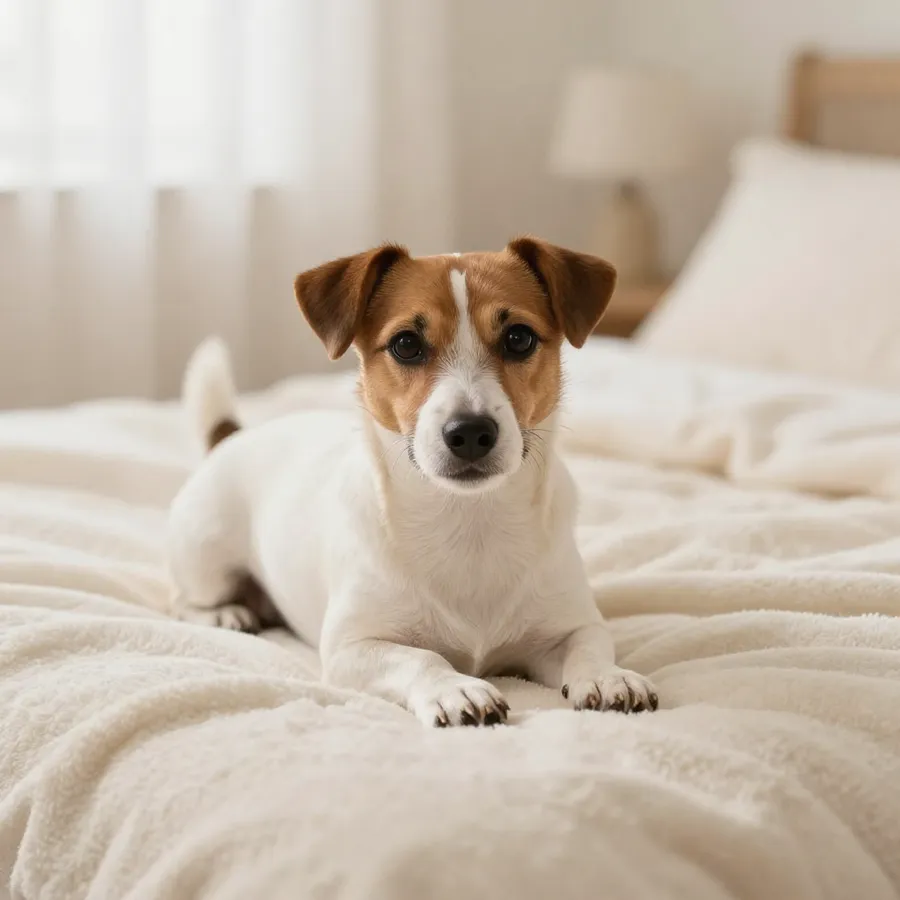
Jack Russell Training: Channelling a Busy Terrier
Bright, busy and brilliantly stubborn, the Jack Russell learns fast but does its own thing twice as fast. Here's how to channel that terrier drive into recall, tricks and calm — with reward-based training, plenty of mental work and realistic expectations for first-time owners.
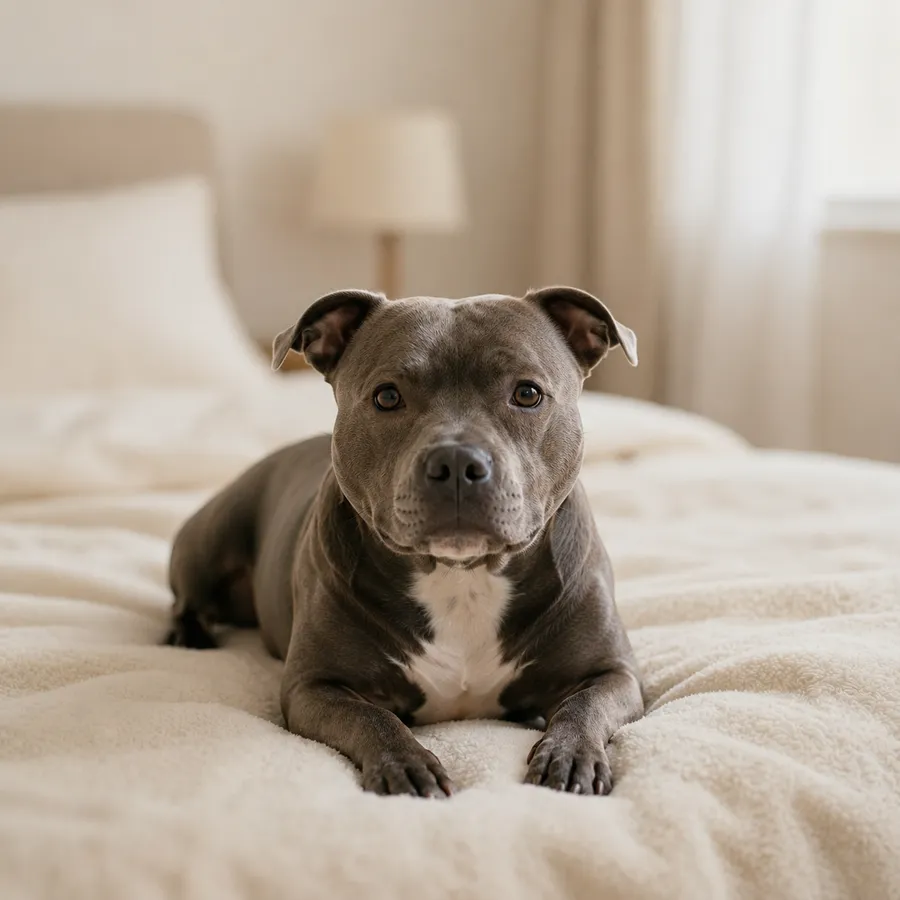
Staffy Training: A Practical Guide
Staffies are clever, people-loving and famously food-motivated, which makes them a joy to train with kind, reward-based methods. Here's a practical, real-world guide to getting the basics right.
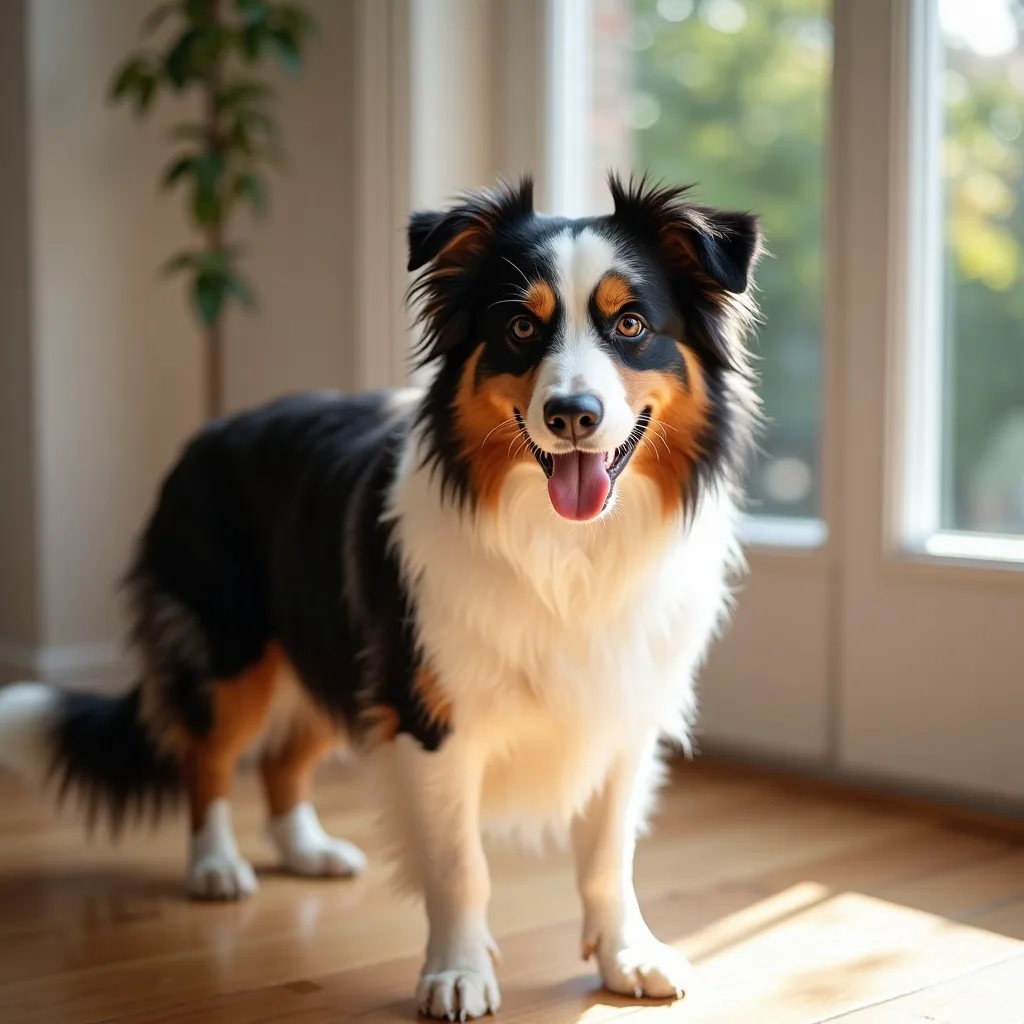
How Long Do Australian Shepherds Live? Lifespan & Health
Australian Shepherds live around 12–15 years. The MDR1 drug sensitivity, joint, eye and seizure conditions the breed faces, and how to help yours stay well.